
Review · USA HORSE RIDING TOURS
East Zion: Pine Knoll Horseback Tour
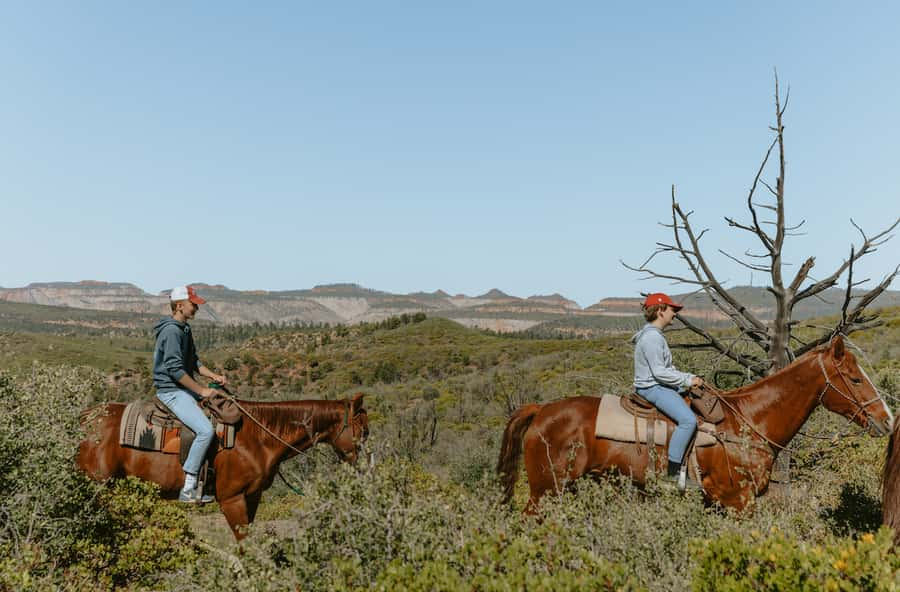
Pine Knoll gives you a fine reason to trade the usual Zion viewpoint for a saddle. The ride climbs through desert forest, then breaks into sweeping views of Zion and Southern Utah. You learn to handle and rein your horse as you go, so this feels more useful than a simple nose-to-tail ride.
I like the small groups of up to eight, which make it easier to hear the guide and ask questions. I also like the clear beginner focus, plus the chance to hear cowboy stories and learn about local wildlife. The main drawback is the steep climb, paired with a strict 220-pound weight limit and rules that rule out shorts, open shoes, and large bags.
Key points at a glance
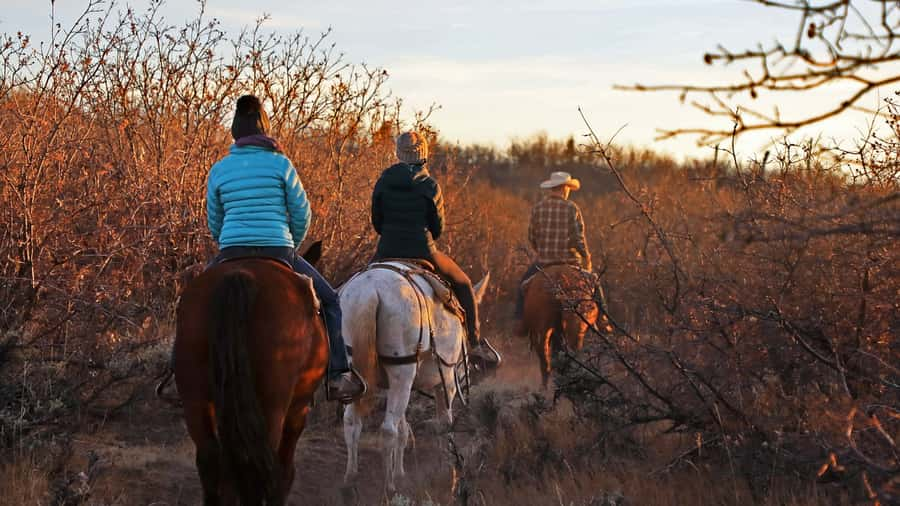
- Pine Knoll climb: Follow a rising trail through desert forest before reaching open views above East Zion.
- Hands-on horse skills: Learn safe handling and basic reining techniques during the opening lesson and ride.
- Small-group setting: With no more than eight participants, you should have a better chance to hear the guide.
- Relaxed horses: The horses are described as calm and well cared for, with mounts matched to less-experienced riders.
- Western storytelling: Your guide mixes local wildlife and cowboy history with practical riding advice.
- Weather and fitness matter: Rain or heavy wind can cancel the ride, and the route includes an intense elevation increase.
Why Pine Knoll makes a good horseback ride
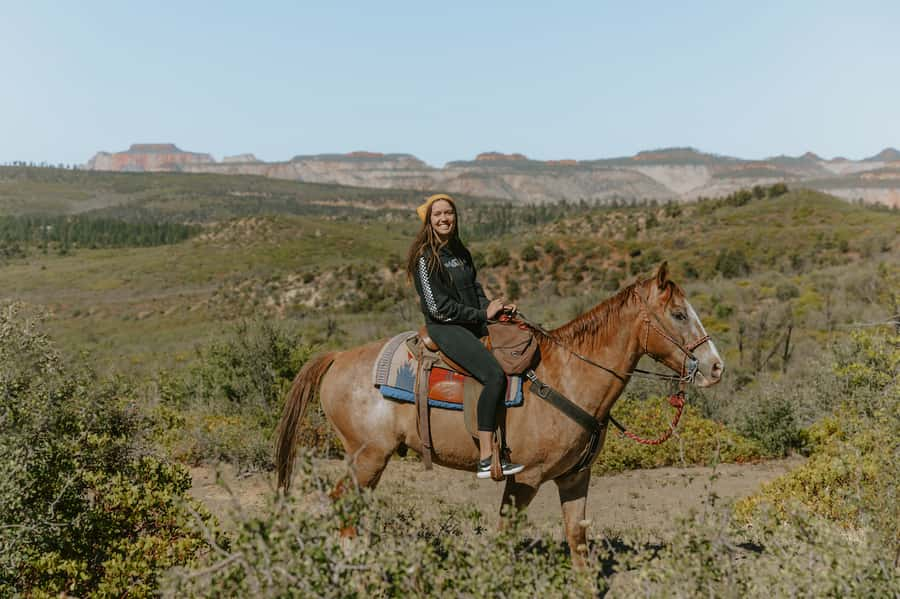
A horse changes the scale of Zion. From a car or busy trail, you tend to collect viewpoints. From the back of a horse, you move slowly enough to notice the desert forest, the steady rise of the trail, and the shift from enclosed trees to open country.
This is the East Zion side of the park experience, where the goal is not a long wilderness trek. It is a compact two-hour outing with a clear arc: meet the horses, learn the basics, climb Pine Knoll, stop for photos, then descend while your guide fills in the story of the area.
I like that the ride asks you to do more than sit in a saddle. The introduction covers safe techniques for handling your horse, and you learn the art of reining along the way. That matters for a first-time rider because you are given a job to do, not just told to hold on.
The route does include an intense elevation increase. If you want a flat, easy plod, this is not that ride. If you are comfortable with a steady climb and want a strong viewpoint as the payoff, the route makes sense.
More Horse Riding Tours in the USA:
- Charleston’s Old South Carriage Historic Horse & Carriage Tour
★ 5.0 · 10,023 reviews - Haunted Evening Horse and Carriage Tour of Charleston
★ 4.5 · 3,678 reviews - Charleston Horse-Drawn Carriage Tour: Explore Historic Charleston
★ 5.0 · 3,561 reviews
Meeting the horses and learning the basics
The first part of the experience is about getting acquainted with your horse. You learn the animal’s personality as you prepare to spend the next two hours together, then receive a demonstration of safe handling techniques.
This opening can make or break a horseback outing. A rushed start leaves beginners tense. Here, the stated plan gives you time to understand how to work with the horse before the trail begins. That is especially helpful if you have little riding experience or have not been on a horse for years.
The horses have earned especially good comments for being relaxed and suitable for less-experienced riders. One rider specifically described them as well cared for and calm. That does not mean every person will feel instantly comfortable, but it is a useful sign for anyone who wants a gentle introduction rather than a demanding riding lesson.
Guides named in the feedback include Carly, Karliy, and Scout. Carly was praised for keeping the ride fun and informative, taking time for questions, pointing out things along the route, and helping with photos. Another rider singled out Karliy as a reason to return, while Scout was praised as a wonderful guide after a morning ride.
Guide quality can vary on any small-group activity, so I would treat these names as helpful context rather than a promise that one particular guide will lead your departure. The strongest pattern is clear conversation, comfort around the horses, and a friendly approach.
Climbing through Pine Knoll’s desert forest
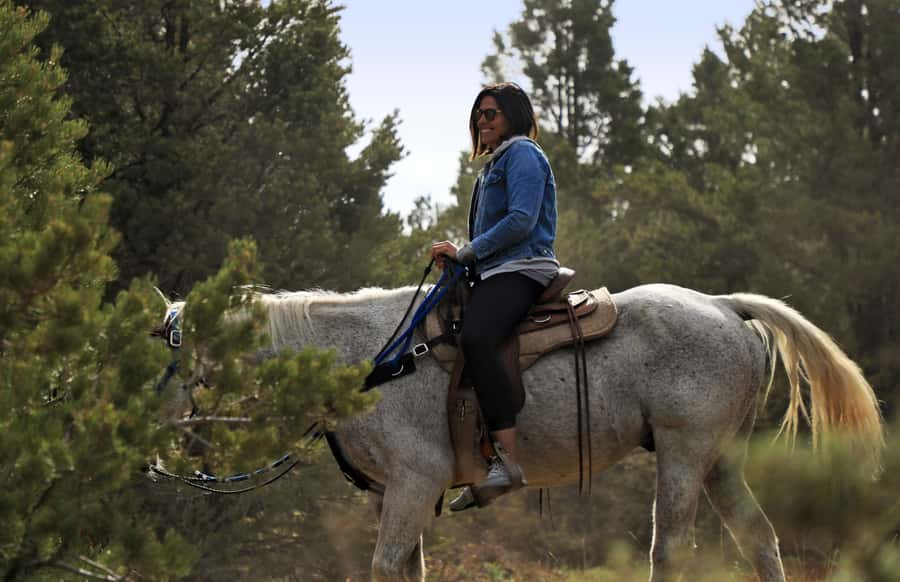
Once the group is ready, the trail follows the side of Pine Knoll. It winds upward through desert forest, with the elevation gain becoming the physical center of the ride.
This section is not just filler before the photo stop. It gives you time to settle into the horse’s movement and practice what you learned at the start. You can focus on posture, rein control, and the rhythm of the trail while the guide explains the area.
The climb may be the hardest part for some riders. The tour lasts only two hours, but the short length should not be confused with a flat or effortless outing. You should be ready for a sustained rise and able to sit comfortably on a moving horse.
The forest also creates a useful contrast. At first, the trees keep the views close. Then the route leaves the forest and the scene opens suddenly. That change gives the ride a proper sense of progress, with the view arriving because you climbed to it.
You may notice that the experience is built for both beginners and experienced riders. A first-timer gets an introduction and a manageable lesson in handling. An experienced rider gets a quiet setting, a scenic route, and a chance to spend time outdoors without signing up for a full-day expedition.
Reaching the summit and the wide Zion views
At the summit, the group pauses for photographs. This is the visual high point of the outing, with broad views across Southern Utah and Zion National Park.
The stop is valuable because horseback tours can otherwise make photography awkward. While moving, you need to pay attention to your horse and the trail. At the summit, you have a proper pause to take pictures and remember the shape of the country around you.
Bring a camera, but keep it easy to manage. Large bags are not allowed, so a bulky camera case or packed day bag is a poor match for this ride. A phone or small camera is more practical, provided you can carry it safely and do not let it distract you from the horse.
The summit stop also gives you a chance to catch your breath after the climb. The provided details do not promise a long rest, picnic, or meal, so think of it as a photo and viewing break rather than a full lunch stop. Food and drinks are not included, and you should bring your own water and snacks.
Same saddle, a completely different route:
- 2-hour Outer Banks Wild Horse Tour by 4WD Truck
★ 5.0 · 2,449 reviews - Official NYC Horse Carriage Rides in Central Park since 1979 ™
★ 5.0 · 2,365 reviews - New Orleans Small-Group Haunted History Carriage Tour
★ 4.5 · 2,289 reviews - Half-Day Thoroughbred Horse Farm Tour in Kentucky
★ 5.0 · 1,924 reviews
Descending with wildlife and cowboy stories
After the summit, the ride continues down the mountain. The return is not treated as dead time. Your guide talks about the area and wildlife, adding western stories and local cowboy history to the scenery.
This part gives the ride its sense of place. Without the stories, you would still have a pleasant horse outing with a view. With them, you get some context for the working traditions and outdoor culture of Southern Utah.
The exact stories will depend on your guide. Feedback points to guides who kept up a steady conversation and explained details along the route. If you enjoy asking questions, a small group gives you a better chance to shape the conversation than a large riding line would.
I also like the chance to learn about subjects such as trees and lightning, which one rider specifically appreciated. That suggests the guide may discuss natural details beyond the broad cowboy theme. Still, this is not presented as a formal wildlife survey or a specialist lecture. You are signing up for a friendly, story-led ride with nature observations along the way.
The descent can feel easier physically, but you still need to stay alert. Follow the guide’s instructions and keep your hands and feet positioned as shown during the opening lesson.
What the $99 price really covers
At $99 per person, the price is reasonable if you want a short, guided horseback experience with equipment, instruction, and a scenic summit stop included.
You are paying for two hours, but the value is not measured only by time in the saddle. The fee also covers the guided format, the horse-riding equipment, the orientation, and the local interpretation along the route. A beginner who would not feel comfortable arranging an independent ride gets a simpler and safer way to try the activity.
The small-group limit helps the price. With up to eight people, the guide can speak to the group without shouting across a long line. You also have a better chance of getting help with photos or questions. That said, you are not buying a private ride, so the pace and group rhythm will depend on the other participants.
Food and drinks are not included. Bring water and snacks, but remember that large bags are not allowed. If you are comparing this with a longer half-day ride, the two-hour duration is the tradeoff. This is a focused outing, not an all-day ranch experience.
The free cancellation policy, allowing a full refund up to 24 hours before the activity, adds useful flexibility. You can also reserve now and pay later. Weather remains a factor, since rain or heavy wind can stop the ride.
Who will enjoy this ride most
I would recommend Pine Knoll to an adult or older child who wants a first horseback experience with real scenery and some instruction. Children under eight cannot join, and everyone must understand English because the safety briefing and guide communication are in English.
It also suits an experienced rider who wants a shorter outing rather than a full day on horseback. The route offers a climb and views, but the published details do not describe advanced riding, fast movement, or difficult technical terrain. Experienced riders should expect a guided scenic ride, not a performance test.
You should reconsider if you have back problems, are pregnant, or weigh more than 220 pounds, or 100 kilograms. The tour does not accept riders over that limit. The combination of a mounted activity and a rising trail makes these rules important, not minor fine print.
The ride is also a poor fit for anyone who wants to bring a pet, suitcase, or large day bag. Pets, shorts, and luggage are not allowed. Wear long pants and closed-toe shoes from the start.
Clothing, weather, and simple preparation
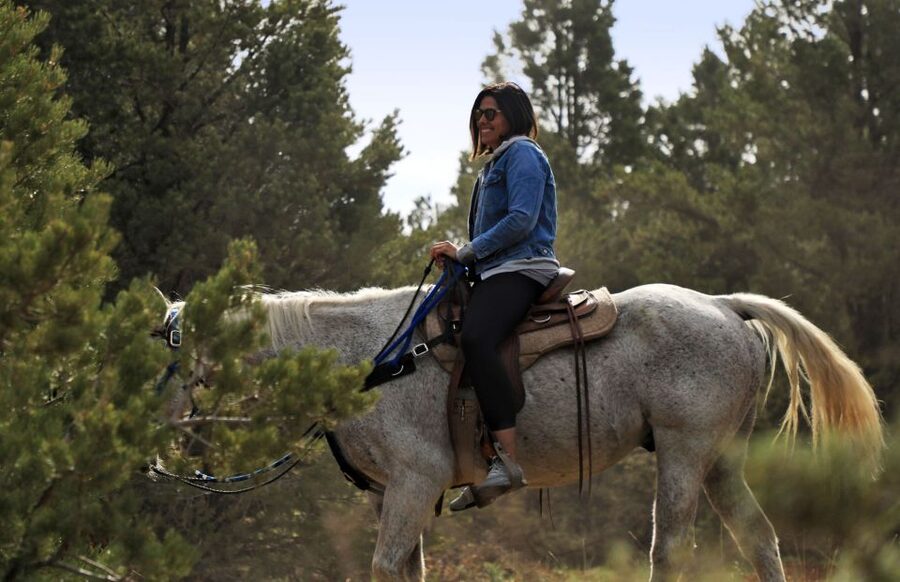
The clothing advice is practical. Wear long pants, closed-toe shoes, and layers. Bring warm clothing, a jacket, and gloves in colder months, since the ride may feel cooler once you gain elevation.
A hat can help with sun, though it should fit securely. Bring water, snacks, and a camera, but keep everything compact. Since food and drinks are not included, do not count on a café stop or provided refreshments during the two-hour outing.
Check the weather before you leave. Rain or heavy wind can cancel the ride, and the flexible cancellation policy helps if conditions turn poor. Winter riders should take the instruction to bring warm clothing seriously rather than treating it as a suggestion.
You should also allow a little extra mental space for the meeting point. One unhappy experience involved two different meeting addresses sent by email, causing a delay and confusion between the horse area and the office. The provided information does not establish that this is a regular problem, but I would check your confirmation carefully and contact East Zion Adventures if the location is unclear.
The guide makes the difference
Horseback rides are personal. You remember the horse, the guide, and how comfortable you felt more than the basic route description.
The best feedback here points to guides who stayed engaged through the entire ride, explained what participants were seeing, and helped create confidence around the horses. Carly was praised for being fun and informative, while Karliy received especially strong personal praise. Scout was described as a wonderful guide after a morning ride.
There is also one important caution. A separate experience involved an unfriendly guide, concern about how the horses were treated, and confusion over the meeting point. That account is sharply different from the more positive experiences, so I would not ignore it. If your guide seems rushed or communication is unclear, ask questions before mounting and confirm where the group is meant to meet.
Small groups can make a good guide feel wonderfully attentive. They can also make a poor interaction more noticeable. The overall score of 4.5 out of 5 from 29 ratings suggests the experience is usually well received, but no tour is immune to an off day.
Should you book the Pine Knoll Horseback Tour?
Book it if you want a two-hour ride with a real climb, big Zion views, calm horses, and a guide who can add cowboy stories and local nature notes. It is particularly good for beginners who want instruction without committing to a full day in the saddle.
Skip it if you need a flat route, dislike group rides, have one of the listed health restrictions, or want a meal and a long day of riding. Also check the meeting address carefully and dress for changing temperatures.
At $99, I see this as a fair way to add a different viewpoint to an East Zion visit. The strongest reasons to choose it are the summit views, the small group, and the chance to learn basic horse handling rather than simply being carried along.
FAQ
How long is the Pine Knoll Horseback Tour?
The tour lasts two hours.
How much does the tour cost?
The price is $99 per person.
How many people can join the tour?
The tour is limited to eight participants.
Is the tour suitable for beginners?
Yes. The experience is designed for both beginners and experienced riders, and the guide demonstrates safe horse-handling techniques before and during the ride.
What should I wear?
Wear long pants and closed-toe shoes. Warm clothing, a jacket, and gloves are recommended, especially during winter months.
What should I bring?
Bring water, snacks, a hat, and a camera. Food and drinks are not included.
Are there age or weight limits?
Children under eight cannot participate, and riders must weigh less than 220 pounds, or 100 kilograms.
Can the ride be canceled because of weather?
Yes. The ride will not go ahead in rain or heavy wind. You can cancel up to 24 hours in advance for a full refund.
Just added around the USA
- Private Wild Horse Photo Safari from Tooele★ 5.0 · 52 reviews
- Horseback Riding Experience through Kodachrome with a Guide★ 5.0 · 6 reviews
- 2-Hour Horse Rides Capitol Reef★ 5.0 · 35 reviews
- One Hour Guided Horseback Ride★ 4.5 · 12 reviews
- Classic Horse-Drawn Carriage Tour★ 4.5 · 17 reviews
- Horse Country Estate and Vineyard Wine Tasting Tour★ 5.0 · 2 reviews
- Scottsdale Horseback Riding and Horse Country Estate Tour★ 5.0 · 2 reviews
- Horse Drawn Ghost and Folklore Tour in Savannah★ 4.0 · 14 reviews
USA Horse Riding Tours, compared.
Charleston’s Old South Carriage Historic Horse & Carriage Tour
Read our review →
Haunted Evening Horse and Carriage Tour of Charleston
Read our review →
Charleston Horse-Drawn Carriage Tour: Explore Historic Charleston
Read our review →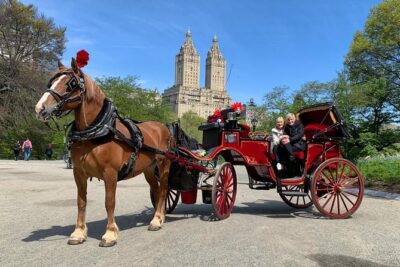
Official NYC Horse Carriage Rides in Central Park since 1979 ™
Read our review →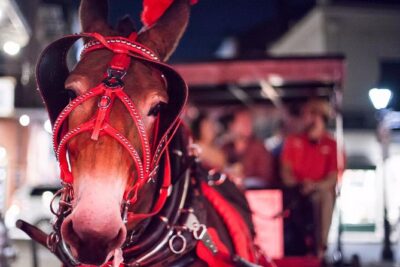
New Orleans Small-Group Haunted History Carriage Tour
Read our review →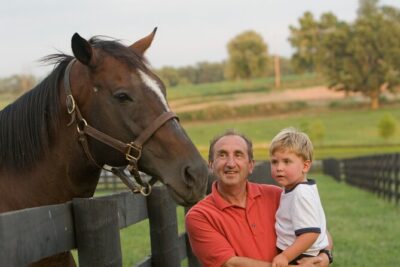
Half-Day Thoroughbred Horse Farm Tour in Kentucky
Read our review →
Morning Horseback Ride with Breakfast from Las Vegas
Read our review →
Red Rock Canyon Sunset Horseback Ride and Barbeque Dinner
Read our review →Browse the lists this tour appears in