
Review · CUSCO HORSE RIDING TOURS
Horseback Riding Plus Tour to Sacsayhuaman, Quenqo, Puka Pucara and Tambomachay
Cusco’s best half-day outings often mix more than one interest, and this one pairs four major Inca sites with a mountain horseback ride. You travel by private car between the ruins, then ride at Vieja Estancia Ranch with horses matched to your experience.
I like the clear historical focus, especially when guides such as Benni, Benny, Jenny, and Hogler explain architecture, religion, and daily life in plain English. I also like the scenery and the careful support from the ranch team, including saddles, helmets, a muleteer, and horses suited to beginners.
The main catch is simple: the riding lasts about one hour to one and a half hours, not most of the four-hour outing. You must also pay the Cusco tourist ticket separately, and one recent booking did not receive the advertised snack.
Key points to know before you book
- Four Inca sites in one half-day: Sacsayhuaman, Q’enqo, Puka Pukara, and Tambomachay form a useful introduction to the ruins around Cusco.
- Horseback riding is a separate segment: You ride at Vieja Estancia Ranch rather than through the archaeological monuments.
- Good for first-time riders: The horses are matched to confidence and experience, and the pace follows the least experienced rider.
- Strong guiding is central: Guides including Benni, Benny, Jenny, and Hogler explain Inca customs, stonework, and religious practice.
- Bring a separate ticket budget: The Cusco Touristic Ticket is not included and is paid directly for entry to the sites.
- The setting is the star: Expect open mountain views, sheep fields, unusual rock formations, and a quiet ride above the city.
Why this Cusco horseback tour works well
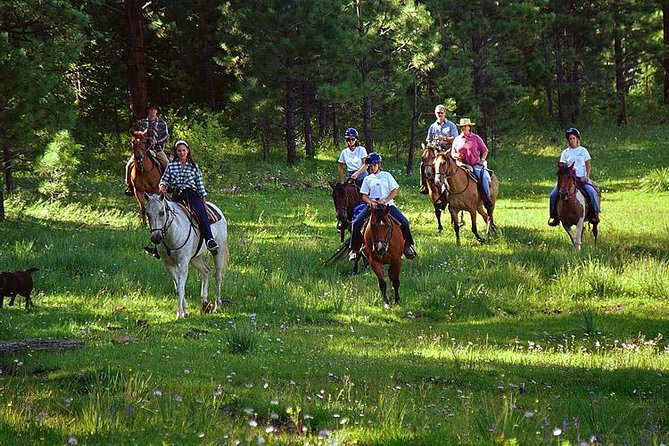
This is not a long riding expedition. It is a history tour with a horseback-riding section added in the middle. That distinction matters because the title can make the outing sound like four hours in the saddle. In practice, the entire experience lasts about four hours, while the ride itself takes roughly one hour, sometimes closer to one and a half.
For me, that mix is the reason to consider it. You see four important places without arranging separate transport, and you get an active break from walking around stone walls and ceremonial grounds. The private car also saves energy at Cusco’s high altitude, where even short uphill walks can feel demanding.
The group can reach 15 people, so this is not necessarily a private guide experience. Transport is by private car, and pickup from your hotel is included. The exact order can vary, but the outing covers the four sites and the ranch during the same half-day.
More Horse Riding Tours in Cusco:
- Cusco: 3-Hour Horse Riding Tour to the Temple of the Moon
★ 5.0 · 105 reviews - Cusco: Half-Day Horseback Riding at Devil’s Balcony
★ 4.9 · 89 reviews - Horse Riding Chacan Mountain And Temple Of The Moon
★ 5.0 · 78 reviews
Sacsayhuaman: Cusco’s great stone introduction
Sacsayhuaman is usually the most dramatic stop. Its huge fitted stones show the precision of Inca masonry, and the high position gives you broad views over Cusco and the surrounding mountains.
This is a good place for your guide to explain how the Inca shaped stone, planned their ceremonial spaces, and connected the site to Cusco’s sacred geography. Guides on this tour are praised for answering questions clearly, even when the questions are not perfectly phrased. That helps here, since Sacsayhuaman raises plenty of questions about construction and purpose.
Allow yourself time to look beyond the largest walls. The scale is impressive, but the value of the stop comes from understanding how the site fit into the wider Inca capital. Wear shoes with rubber soles because the ground can be uneven, and keep your camera and other valuables secure.
Sacsayhuaman is also a reminder that this tour involves walking as well as riding. Most participants can take part, but Cusco’s altitude can make stairs, slopes, and long explanations tiring. A steady pace is more useful than trying to rush from one viewpoint to the next.
Puka Pukara: A smaller site with a useful setting
Puka Pukara is smaller than Sacsayhuaman, but its position makes it worthwhile. The site sits in the high country outside central Cusco, and its stone terraces and walls make more sense when you see the roads and valleys around it.
Your guide can place Puka Pukara within the wider Inca network and explain how the site related to movement through the area. The stop is usually brief enough that the schedule does not drag, which is helpful on a four-hour tour with several locations.
You will not spend the whole day at each ruin. That is one of this outing’s strengths. You get an overview rather than an exhaustive archaeological study. If you want long, quiet visits at every site, a dedicated private archaeology tour would give you more time.
Puka Pukara also provides a useful change of mood. Sacsayhuaman feels monumental, while Puka Pukara feels more exposed and connected to the high mountain setting. Bring sun protection even on a cloudy day. One couple learned this the uncomfortable way, finding that cloud cover did not remove the need for sunscreen.
Tambomachay: Water, ritual, and a quieter pause
Tambomachay is associated with water and ceremonial use. Its channels, stonework, and springs give your guide a chance to discuss Inca ideas about sacred water, purification, and religious custom.
This is one of the more compact stops, but it can be rewarding if you listen closely. The meaning is not only in the visible walls. It is also in the way water was directed through carefully built stone channels.
The site adds balance to the tour. Sacsayhuaman presents monumental construction, Puka Pukara gives you a high-country viewpoint, and Tambomachay brings the focus back to ritual and the natural world. You are seeing different types of Inca places rather than four versions of the same ruin.
As with the other sites, the entrance is not included in the $95 price. The government-managed Cusco Touristic Ticket must be purchased separately. Plan for roughly $20 based on the information provided, though the exact local price and ticket arrangement can change.
Same saddle, a completely different route:
- Horseback Tour in cusco to Temple of the Moon & Hidden temples
★ 5.0 · 54 reviews - Half day Horseback Riding tour around Sacsayhuaman park
★ 5.0 · 37 reviews - Cusco: Rainbow Mountain Horseback Riding Tour + lunch
★ 4.1 · 10 reviews - Rainbow mountain horseback riding tour + Buffet Lunch
★ 3.8 · 9 reviews
Vieja Estancia Ranch: The active part of the day
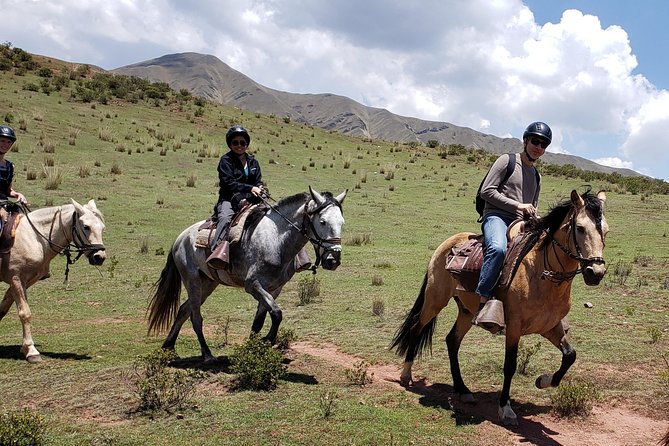
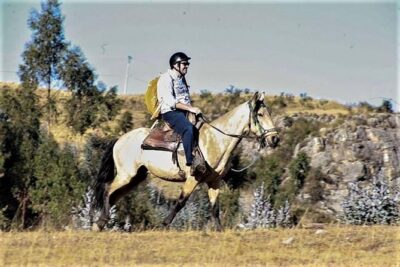
The ranch is where the outing changes from archaeological sightseeing to outdoor activity. The staff provides the saddle and safety helmet, and a muleteer helps care for and manage the horses during the ride.
The horses are matched to the rider’s experience and confidence. That is important if you are new to horseback riding or traveling with family members who have different comfort levels. The ride is described as suitable for people with little or no experience, with a minimum age of six.
The pace follows the least experienced rider. That means beginners should feel less pressure, while experienced riders may get a chance to move a little faster when conditions allow. One experienced rider was able to open the horse up briefly, while a beginner in the same group felt safe and well supported.
Do not expect a technical mountain ride. The route offers attractive views, sheep fields, and smaller ruins in the national park area, but the horses do not ride through the main archaeological sites. That restriction is sensible because hooves can damage fragile ground and archaeological remains.
The riding is the emotional high point for many people. The combination of open views, well-behaved horses, and a little speed gives the middle of the tour a sense of freedom that a standard ruins circuit lacks. Still, the duration is limited. If your main goal is a long horseback journey, choose a riding-only outing instead.
What the guiding adds to the ruins
The guide can make or break a compact history tour. Four sites in four hours leave little room for wandering without context, so clear explanations matter.
Benni is especially noted for making Inca history easy to follow and for responding well to questions. Benny is also associated with both the site explanations and the riding portion. Jenny and Hogler are other guides connected with strong experiences on this route, with English explanations of architecture, culture, and archaeology.
The descriptions you receive may differ slightly depending on the guide, but the tour’s best quality is its educational side. You are not simply driven to ruins, given a few dates, and sent back to the car. The guide explains religious customs, building methods, and how the sites related to the old Inca capital.
The short stops work best if you ask questions as you go. If you want a detailed lecture at every wall, the timetable may feel tight. If you want a clear first understanding of the area around Cusco, the format is effective.
The real value of the $95 price
At $95 per person, this is not the cheapest way to see the four sites. Similar outings may cost less, especially when they use a larger vehicle or leave out the riding portion. The separate archaeological ticket also means your total cost is higher than the advertised tour price.
Still, the price pays for more than admission and transport. It includes hotel pickup and return, a professional guide, a car, saddle and helmet, horse care from a muleteer, and water. A family-owned operation with a small team is involved in getting the horses, riders, transport, and site visits coordinated.
The fair comparison is not with a basic bus circuit. Compare it with the cost of arranging a guide, transport, and a separate riding session yourself. If you already plan to visit these four sites and you want horseback riding as well, the combined format can be good value.
The weak point is the snack information. Snacks are advertised as included, but one recent participant did not receive any. Water is included, yet I would still carry a small personal snack, especially if you are traveling with children or tend to feel the altitude.
What to wear and pack for the ride
Dress for riding first, not for a city stroll. Long pants, preferably jeans, help protect your legs from the saddle and brush. Closed shoes with rubber soles or walking shoes are recommended.
A rain jacket is wise if the forecast shows a real chance of rain. Cusco weather can change quickly, and the riding section is outdoors. Sunscreen is essential even when the sky looks gray, and a hat may be useful before or after the helmeted portion.
Leave jewelry and valuables behind. The instruction is practical, since loose items can fall during the ride and are easy to lose outdoors. Keep only what you need in a secure small bag.
The maximum weight is 200 pounds, or 90 kilograms. The minimum age is six. Most people can participate, but you should be comfortable with basic walking, getting on and off a horse, and spending time at high altitude.
The guide carries a first aid kit for emergencies. It is not a substitute for personal medication, and the guide is not authorized to provide medicine outside the limits of first aid. Bring anything you normally need.
Who should book this four-hour outing
I would choose this tour for a first visit to Cusco when you want a quick introduction to the nearby Inca sites without giving up an active experience. It suits couples, families with older children, solo visitors, and anyone who likes history but does not want a full day of museum-style sightseeing.
It is particularly good for families with teenagers. The ruins supply the cultural content, while the horse ride gives the day a clear change of pace. Beginners can participate, and more experienced riders can enjoy the horses without turning the outing into a demanding trek.
It also works for people who are short on time. The four sites are close enough to combine in one half-day, and round-trip hotel transport removes much of the local planning.
I would hesitate if you want a long ride, a very small private group, or an all-inclusive price. The archaeological ticket is extra, the riding segment is shorter than the total tour title may suggest, and the snack may not appear as promised.
The tour generally requires good weather. If poor conditions force a cancellation, you are offered another date or a full refund. You can cancel for a full refund up to 24 hours before the start time, but cancellations or changes inside that window are not refunded or accepted.
Should you book the Sacsayhuaman horseback tour?
Book it if you want four important Cusco-area sites plus a gentle horseback ride in one organized half-day. The guides add real value, the horses suit beginners, and the mountain views give the outing a memorable outdoor feel.
Skip it if horseback riding is your only priority or if you want to explore each ruin at length. For everyone in the middle, this is a well-balanced choice: enough archaeology to give the day substance, enough riding to make it feel different from a standard Cusco circuit, and transport that keeps the schedule manageable.
FAQ
How long does the tour last?
The tour lasts approximately four hours.
How long is the horseback ride?
The horseback-riding portion lasts about one hour to one and a half hours.
Which archaeological sites are included?
The tour visits Sacsayhuaman, Q’enqo, Puka Pukara, and Tambomachay.
Does the tour ride through the archaeological sites?
No. The horseback riding takes place at Vieja Estancia Ranch and on surrounding trails. You visit the main archaeological sites separately because horses could damage the ground.
Is horseback riding experience required?
No. The activity is suitable for participants with little or no riding experience.
What is the minimum age?
The minimum age is six years old.
Is there a weight limit?
Yes. The maximum weight is 200 pounds, or 90 kilograms.
Is the Cusco Touristic Ticket included?
No. The archaeological entrance ticket is not included and must be paid separately.
What does the tour include?
It includes a professional guide, saddle, safety helmet, muleteer, mineral or natural water, and transport by private car.
What should I wear?
Wear long pants, preferably jeans, and closed shoes with rubber soles or walking shoes. Bring a rain jacket if rain is possible, and do not wear jewelry or valuables during the ride.
Just added around Cusco
- Half day Horseback Riding tour around Sacsayhuaman park★ 5.0 · 37 reviews
- Temple of the Moon Horseback Riding Tour with Transfer★ 4.5 · 2 reviews
- Rainbow mountain horseback riding tour + Buffet Lunch★ 4.1 · 7 reviews
- Cusco: Rainbow Mountain Horseback Riding Tour + lunch★ 4.1 · 10 reviews
- Rainbow mountain horseback riding tour + Buffet Lunch★ 3.8 · 9 reviews
- FULL DAY| MOUNTAIN OF COLORS ON HORSEBACK★ 5.0 · 4 reviews
- Cusco: Sacsayhuaman Guided Tour and 1-Hour Horseback Ride★ 5.0 · 4 reviews
- Cusco: Devil’s Balcony Horseback Ride★ 5.0 · 2 reviews
Cusco Horse Riding Tours, compared.
3-Hour Horse Riding Tour to the Temple of the Moon
Read our review →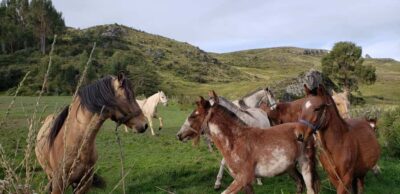
Horse Riding Chacan Mountain And Temple Of The Moon
Read our review →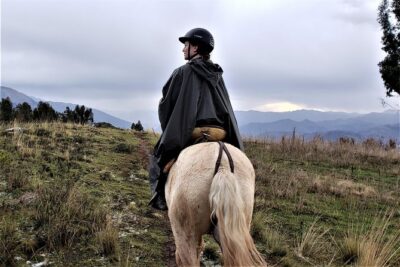
Horseback Tour in cusco to Temple of the Moon & Hidden temples
Read our review →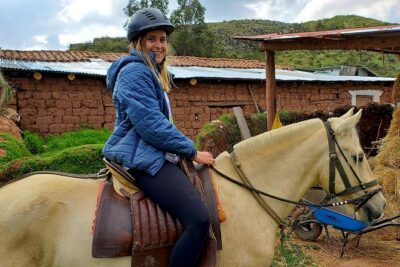
Half day Horseback Riding tour around Sacsayhuaman park
Read our review →
Rainbow mountain horseback riding tour + Buffet Lunch
Read our review →Rainbow mountain horseback riding tour + Buffet Lunch
Read our review →Browse the lists this tour appears in