
Review · RANCH & FARM HORSE RIDING
Luxor: Farm Tour 30 Hectares(Breakfast With Arabian Horses)
The best part of this Luxor farm visit is its simple contrast with the temples and tombs. After a short ride from your hotel, you sit beneath a kiosk and tree canopy, eat Egyptian breakfast, and look over mango trees and alfalfa fields. Then you walk among Arabian horses, farm animals, orchards, and beehives.
I like two things especially: the close look at family-run rural life, and the breakfast details, including warm flatbread, homemade honey, mint tea, goat cheese cream, fig jam, and sugarcane molasses. The main consideration is time. Two hours passes quickly, so this is a gentle farm outing, not a long agricultural tour.
- Breakfast under the mango trees: Eat traditional Egyptian dishes in a shaded farm seating area.
- Dozens of Arabian horses: See foals, mature horses, and stallions at close range.
- A working organic farm: Walk among mangoes, alfalfa, lemons, figs, olives, dates, and beehives.
- More than horses: Meet cows, sheep, goats, chickens, ducks, bees, and a camel.
- Easy transport: Hotel pickup and drop-off in Luxor are included, with about 20 minutes each way.
- Friendly local guidance: Abdo and Rajiv lead the visit in Arabic and English.
A Quiet Change of Pace on Luxor’s West Bank
Luxor is famous for monumental sights, but the Nile Valley is also a place of farms, orchards, animals, and family life. This two-hour outing gives you a look at that quieter side without taking up a full day.
Al-Habib Farm is described as covering more than 50 hectares, with around 30 hectares planted with mango trees and other crops. The size matters because this is not a tiny garden arranged only for photographs. You can walk through a real agricultural setting, with fields, shade trees, animals, and open space.
The farm grows mangoes, Meyer lemons, figs, olives, and dates. Alfalfa fields help explain the presence of so many animals, especially horses and livestock. You are seeing the connection between crops, animal care, and food production rather than a series of unrelated attractions.
The farm is on Luxor’s West Bank. Depending on the arrangement, your transfer crosses the Nile by bridge or by boat, though the published route describes the bridge. The drive is listed at about 20 minutes each way. That makes the visit easy to fit into a morning or afternoon.
What the 20-Minute Transfer Adds
Pickup and drop-off in Luxor are included, which removes one of the main hassles of reaching a rural property. You do not need to arrange a taxi, negotiate a fare, or work out the West Bank roads on your own.
The transport is by van. The exact pickup time depends on availability, so check the start time when booking. The stated activity length is two hours, not including the transfer, giving you roughly 40 minutes of road time on top of the farm visit.
The ride also gives the outing a useful sense of place. You leave the hotel district and head toward the West Bank, where agriculture sits close to ancient monuments and village life. Do not expect a long sightseeing drive with many stops. The point is to reach the farm and have time there.
More Ranch and Farm Horse Riding in Luxor:
- Performance Of The Lipizzans At Spanish Riding School
4,190 reviews - Half-Day Thoroughbred Horse Farm Tour in Kentucky
★ 5.0 · 1,924 reviews - 5 tours in 1 (Eco Farm/Horseback/City Tour/Buggy/Zipline)
★ 4.5 · 1,443 reviews
Egyptian Breakfast Beneath the Canopy
Food is not an afterthought here. You begin with breakfast in a covered kiosk and shaded garden area overlooking mango trees and alfalfa. It is a relaxed setting, with enough shade to make the meal comfortable during Luxor’s hot months.
The breakfast includes traditional Egyptian dishes, water, drinks, and tea. Specific items described for the meal include warm flatbread, honey from the farm’s beehives, sugarcane molasses known as black honey, fig jam, fresh goat cheese cream, and mint tea made with homegrown mint.
The bread is worth noting. It may be a soft, warm flatbread with a flaky texture rather than the darker, coarser bread you may encounter elsewhere. Fresh fruit can also be available, depending on the season. Mangoes, oranges, and lemons are mentioned, but fruit selection will naturally change with harvest time.
I like this part because it gives you time to settle in before walking around. You are not rushed straight from the van to the animals. You eat, look across the fields, and start to understand the farm through its own produce.
Still, do not book this expecting a restaurant meal with a printed menu or a long tasting session. The appeal is homemade food in a rural setting. If you have allergies or strict dietary needs, ask about the meal before booking.
Meeting the Arabian Horses
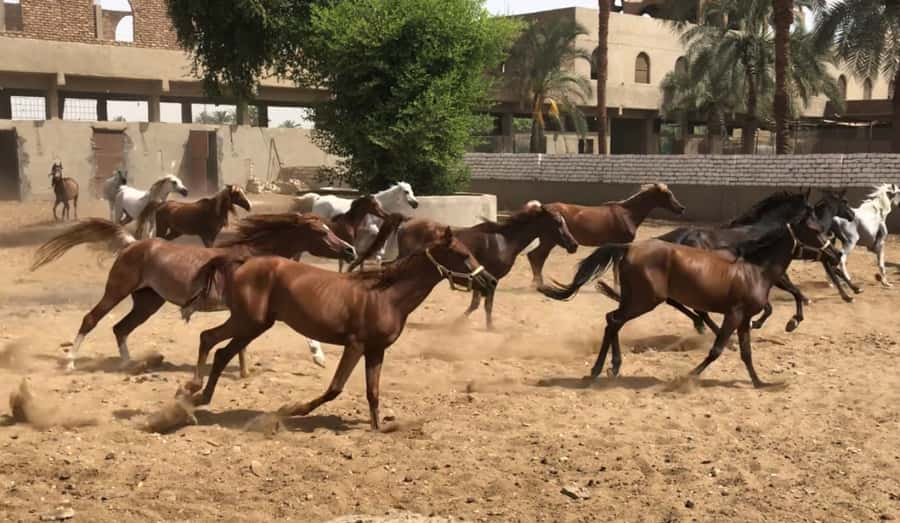
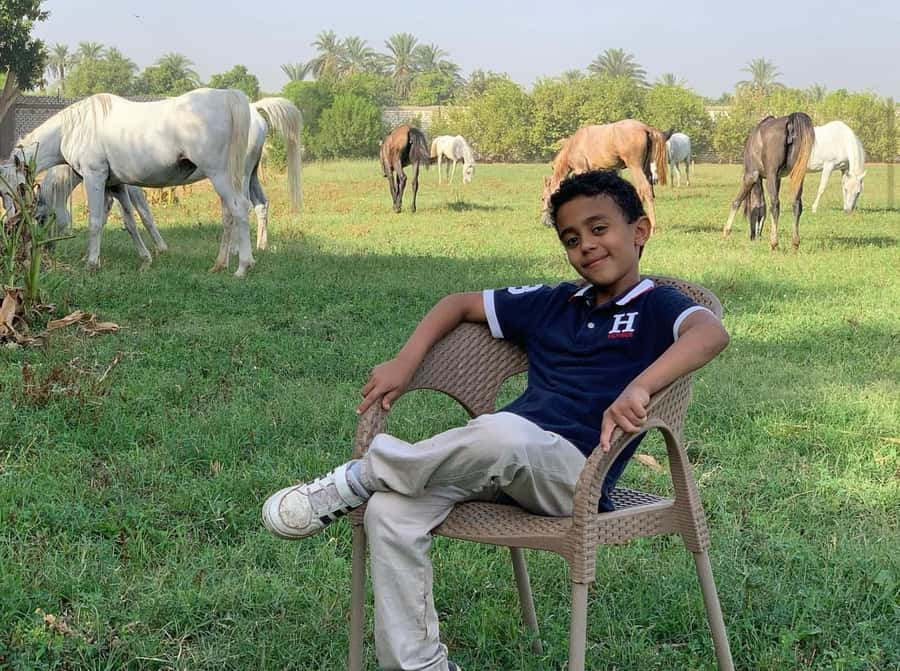
The horses are the main draw. The farm has dozens of pure-breed Arabian horses, from young foals to full-grown stallions. You can get close to them during the guided farm walk, which makes the visit especially appealing if you enjoy horses but do not want a formal equestrian show.
The range of ages is part of the interest. Foals give you a look at the younger animals, while the mature horses show the size and presence that make Arabian horses so well known. The experience is based on seeing and approaching the animals, not on a staged performance.
A horse ride may also be possible. One account describes riding a few rounds, but the supplied activity details do not promise riding as a standard inclusion. Treat it as something that may be offered rather than a guaranteed part of the price. Ask directly if riding is important to you.
The farm setting also lets you see the horses in relation to the rest of the property. Their care is part of a working agricultural environment, alongside alfalfa fields and other livestock. That is more informative than seeing horses in isolation.
Use normal animal etiquette. Follow the guide’s instructions, approach calmly, and do not assume every horse can be touched or fed. The published details promise close contact, but animal access can depend on safety and the animals’ condition that day.
A Walk Through the Mango Orchard
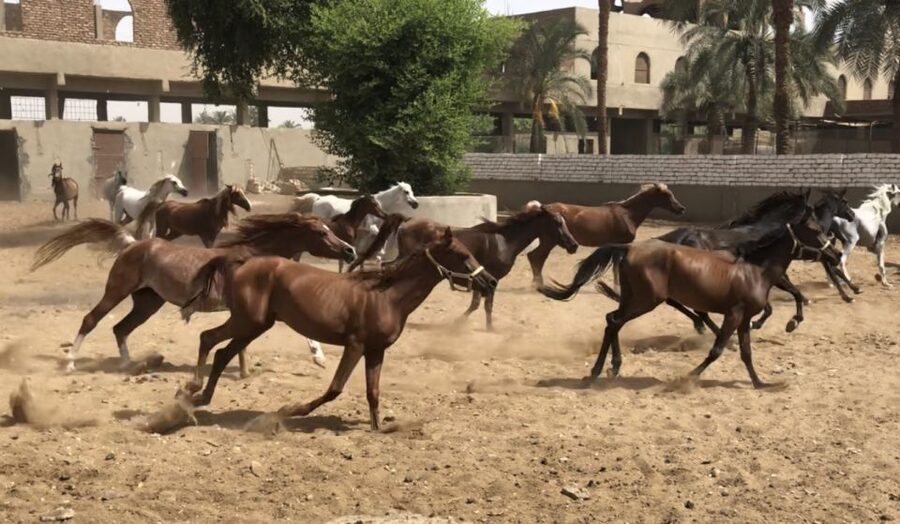
The mango plantation gives the visit its shade and its strongest sense of place. The farm describes about 25 different mango trees or varieties across the planted area, while one account refers to 62 types. Since those figures do not match, you should regard the orchard as a wide collection of mango trees and ask the guide about the current count if that detail matters to you.
The useful point is not the exact number. You can walk beneath mango branches, see how the orchard is arranged, and sample homegrown fruit when it is in season. The shade is practical as well as scenic, especially in the bright Luxor sun.
The farm also grows Meyer lemons, figs, olives, and dates. These crops help make the walk feel varied. You may move from mango trees to open alfalfa fields, then toward animal enclosures and beehives.
Do not expect every fruit to be available during every visit. Mangoes, oranges, and lemons depend on the season, and the activity does not promise a particular harvest. The orchard remains worthwhile even when there is no ripe fruit to taste because it provides the setting for the breakfast and the animal walk.
More Farm Visits in Luxor:
- Unique Horse Farm Tours with Insider Access to Private Farms
★ 5.0 · 1,192 reviews - Gypsy Gold Horse Farm Tour
★ 5.0 · 438 reviews - Lexington: Thoroughbred Horse Farm Tour and Scenic Bluegrass
★ 4.9 · 363 reviews - Golden Circle, Fridheimar Farm & Horses Small Group Tour from Reykjavik
★ 5.0 · 309 reviews
Cows, Goats, Bees, and a Camel
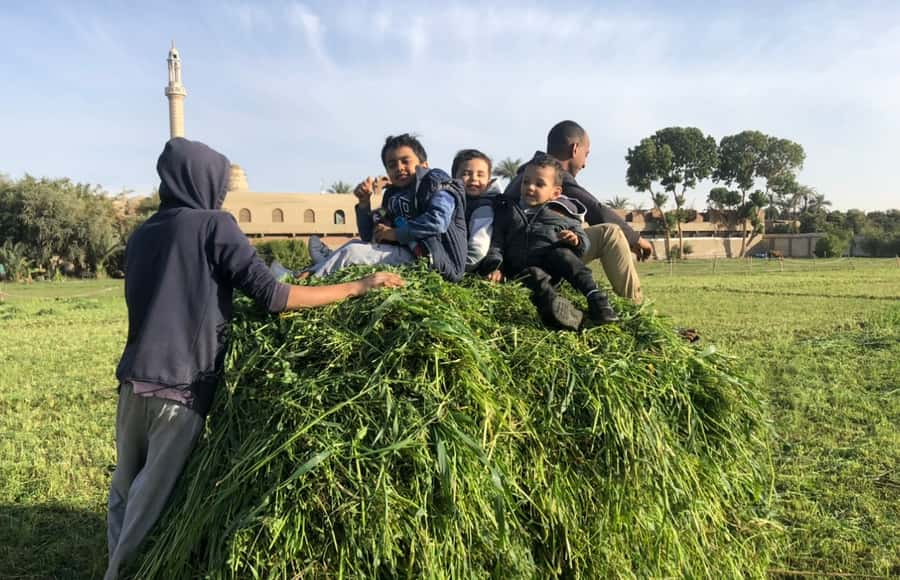
After breakfast, you can wander around the farm to meet more than horses. The animal list includes cows, sheep, goats, chickens, ducks, bees, and one camel.
This variety makes the visit work well for families and anyone interested in everyday Egyptian farm life. Children may recognize common farm animals, but seeing them together in a working setting is different from visiting a small city petting area. Adults may appreciate the chance to learn how a rural property combines crops, livestock, and food production.
The beehives connect directly to the breakfast. The honey served at the farm comes from the farm’s own bees, giving you a clear link between what you eat and what you see. You may also see how the orchard and flowering plants support the hives, though the exact bee demonstration is not specified.
The camel is another memorable detail, but do not expect a camel trek. The information promises a camel among the farm animals, not a riding program. The same applies to the cows, sheep, goats, chickens, and ducks: you are visiting and observing them as part of the farm walk.
Abdo, Rajiv, and the Guided Walk
The guides named for this experience are Abdo and Rajiv. They are described as experienced hot-air-balloon pilots as well as farm hosts, and they lead the walk in Arabic and English.
That combination can add useful local context. You can ask about the crops, the animals, the orchard, and the way the farm operates. The visit is not simply a meal followed by free wandering. A guide helps explain what you are looking at and directs you around the property.
At the same time, the information allows for personal exploration after the meal. You can wander around the farm at your own pace, which suits people who prefer a relaxed outing rather than a tightly scripted tour.
The exact group size is not provided. That is worth checking if you want a private visit or need a particular pace. The activity is wheelchair accessible, but rural surfaces can vary, so it is sensible to confirm the route and access arrangements in advance if mobility is a concern.
Is Two Hours Enough?
Two hours is enough for the basic experience: arrival, breakfast, a guided walk, time with the horses and other animals, and a little shade beneath the orchard. It is not enough for a slow, detailed study of every crop and animal area.
This short duration is useful if you have a packed Luxor schedule. You can fit it between major sightseeing stops without sacrificing a whole morning or afternoon. It also suits you if you want a calm break from tombs, temples, and museum displays.
The tradeoff is depth. You will not have time to explore all 30 planted hectares on foot. The farm is large, but the outing gives you an introduction rather than an agricultural field study.
I would schedule it when you want a change of pace. It works particularly well after several history-heavy days, when an outdoor breakfast and animal visit sound better than another formal monument.
The $30 Price and What It Covers
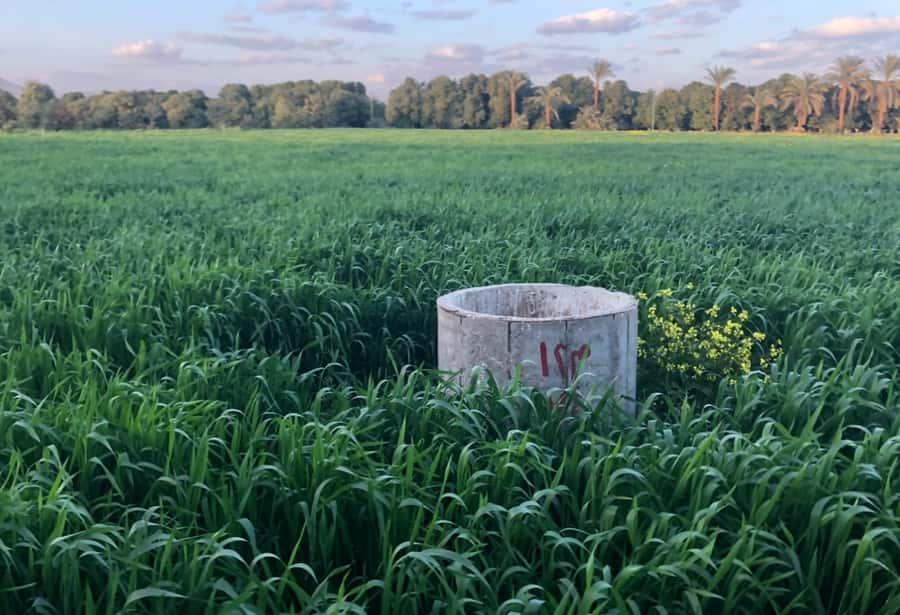
At $30 per person, the price includes hotel pickup and drop-off, the two-hour farm experience, breakfast, water, drinks, and the guided visit. That is a fair package for an outing that combines transport, food, a guide, and access to a large private farm.
The strongest value comes from the combination. A simple meal alone would cost less, and a basic taxi ride would not give you the guided access to the horses, orchard, beehives, and livestock. You are paying for the setting and the time with the animals as much as for the breakfast.
The price is less compelling if you only want a quick horse ride, because riding is not clearly listed as a guaranteed inclusion. It is also not the right choice if your main goal is a long professional agricultural tour. Book it for the full mix of food, farm life, animals, and transport.
Free cancellation is available up to 24 hours before the activity for a full refund, and you can reserve now and pay later. Starting times depend on availability. These terms help if your Luxor plans may shift, but you should still confirm the pickup time and meal details before departure.
Who Will Enjoy This Farm Visit Most?
I would recommend it to you if you enjoy local food, rural settings, horses, and low-key cultural experiences. Families may like the range of animals, while photographers can find plenty of subjects in the orchard, fields, horses, and shaded breakfast area.
It also suits first-time visitors who want to see more than the main archaeological sights. The farm offers a look at present-day agricultural life on the West Bank, with direct contact rather than a formal presentation.
Horse lovers should find the dozens of Arabian horses the main reason to go. The visit is also a good match for anyone who appreciates fresh produce and wants to know where ingredients such as honey, mint, fruit, and goat cheese come from.
You may want to skip it if you dislike heat, outdoor walking, or animal settings. The farm has shade, but Luxor remains hot and sunny. You should also skip it if you need a long, highly structured tour with a fixed list of timed activities.
Should You Book Al-Habib Farm?
Book this experience if you want a short, personal-looking visit to an Egyptian farm rather than another major sight. The best reasons are the warm breakfast, the homegrown honey and fruit, the mango orchard, and the chance to stand close to Arabian horses from foals to stallions.
The main caution is to keep your expectations in the right place. This is a two-hour farm outing, not a full-day ranch visit or guaranteed horse-riding tour. If that sounds right, the included transport and food make $30 good value for a pleasant change from Luxor’s monuments.
FAQ
Where is the farm located?
Al-Habib Farm is on Luxor’s West Bank in Luxor Governorate, Egypt.
How long does the experience last?
The farm visit lasts two hours. The listed van journey takes about 20 minutes each way.
Is hotel pickup included?
Yes. Full transportation pickup and drop-off in Luxor are included.
What food is served?
You receive a traditional Egyptian breakfast with water and drinks. Food described for the meal includes warm flatbread, farm honey, black honey made from sugarcane molasses, fig jam, goat cheese cream, and mint tea.
Which animals can I see?
The farm has Arabian horses, cows, sheep, goats, chickens, ducks, bees, and a camel.
Are horse rides included?
Horse riding is not clearly listed as a standard inclusion. Riding may be offered, but you should confirm this before booking if it is important to you.
What languages are available?
The tour is available in Arabic and English.
Is the activity wheelchair accessible?
Yes, the activity is listed as wheelchair accessible.
Can I cancel for a refund?
Yes. You can cancel up to 24 hours in advance for a full refund. You can also reserve now and pay later.
Just added around Luxor
- Horse Carriage City Tour in Luxor city with meal and soft drink★ 5.0 · 3 reviews
- Luxor City Tour By Horse Carriage★ 5.0 · 10 reviews
- Rural Horse Riding Adventure★ 5.0 · 6 reviews
- Discover Luxor City Tour by Horse Carriage★ 5.0 · 3 reviews
- Luxor City Tour By Horse Carriage in Egypt★ 5.0 · 2 reviews
- 3-Hour Private Luxor Horse Carriage City Tour★ 4.5 · 5 reviews
- Horse Carriage Tour to Valley of the kings and Hatshepsut temple★ 5.0 · 2 reviews
- Private City Tour One Hour By Horse Carriage & 1 hour River Nile boat tour-Luxor★ 5.0 · 2 reviews
Ranch & Farm Horse Riding, compared.

Half-Day Thoroughbred Horse Farm Tour in Kentucky
Read our review →
5 tours in 1 (Eco Farm/Horseback/City Tour/Buggy/Zipline)
Read our review →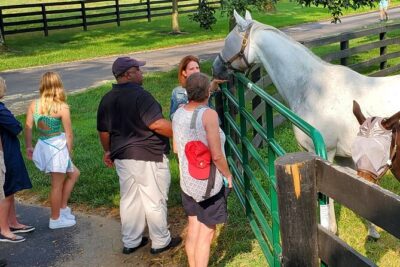
Unique Horse Farm Tours with Insider Access to Private Farms
Read our review →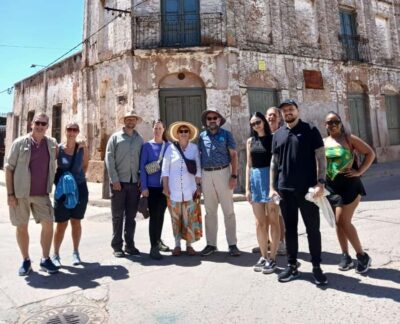

Maui Horseback Adventure at Circle M Ranch With Real Cowboys
Read our review →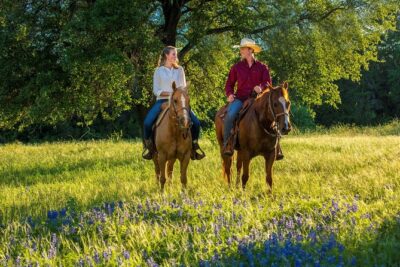
Horseback Riding on Scenic Texas Ranch near Waco
Read our review →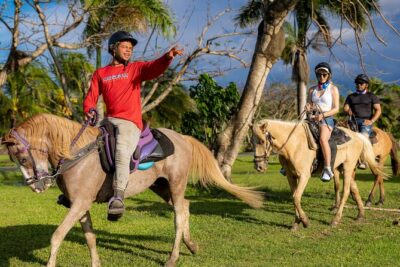
Browse the lists this tour appears in