
Review · HORSE SHOWS & EQUESTRIAN EVENTS
Lipizzaner Stud Piber: Guided Tour
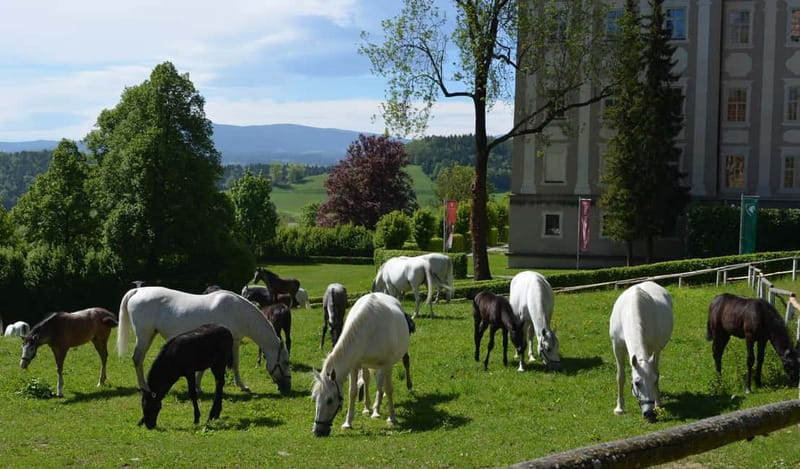
The young Lipizzaner foals are the star here. At Piber Stud, you can watch them test their legs and investigate the world under the careful eye of their mares. I like the mix of living farm work and royal horse tradition, and I like that the visit includes both the working stud and a museum that explains its past. The main catch is language: the regular live tour is in German.
You also get a look at horses and riders training in the riding hall, plus access to the inner courtyard, museums, and cinema. I would allow plenty of time for the grounds, but remember that the guided route shows only a small part of the stud, and explanations about selecting and training horses for the Spanish Riding School may be limited.
Key points to know before visiting
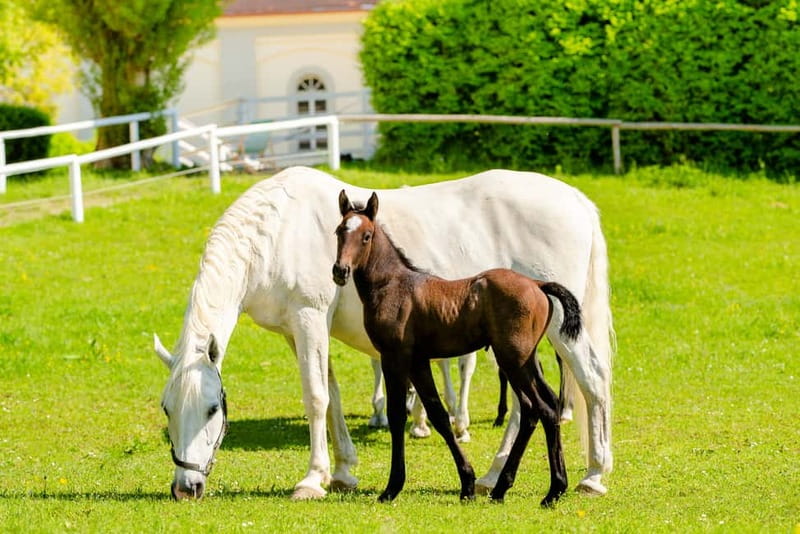
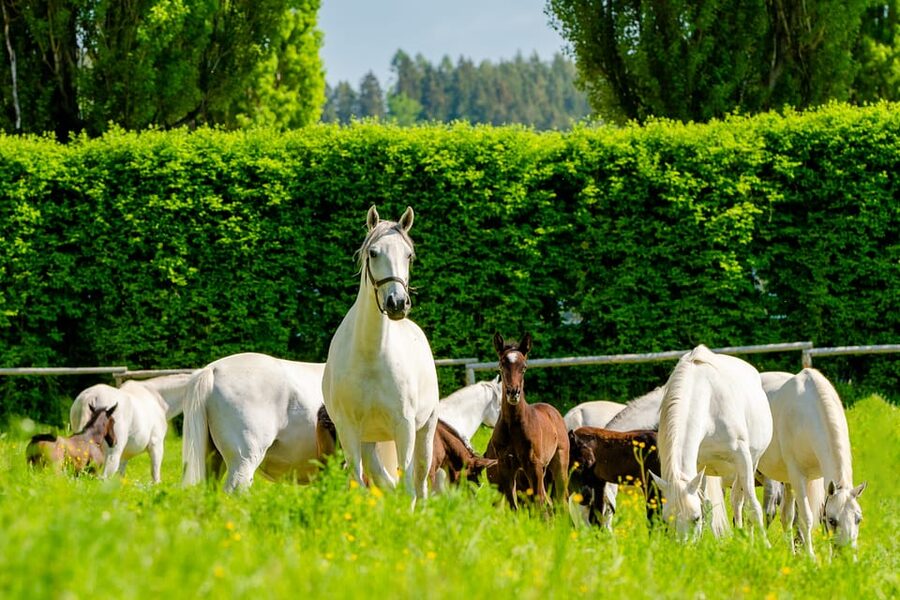
- Foal viewing is the emotional highlight: You can see young Lipizzaners exploring their first months at the stud while staying close to their mares.
- The tour is normally in German: Request an English tour in advance rather than assuming one will be offered on the day.
- Training adds real-life interest: The riding hall lets you see horses and riders working together, not just standing in stalls.
- Your ticket covers more than the tour: Entry includes the inner courtyard, museums, and cinema, along with a guided tour or audio guide.
- Families have extra reasons to come: A children’s adventure path gives younger visitors something active to do around the stud.
- The $28 price is fair for a broad visit: It works best if you use the museums and other included areas, not just the short guided route.
Meeting the Lipizzaners at Piber Stud
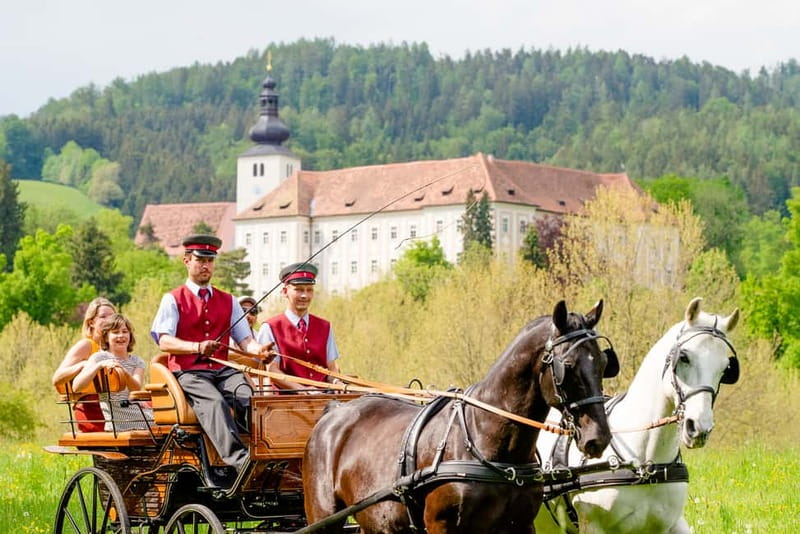
Lipizzaner horses are closely linked with Austria’s Spanish Riding School, but their early life happens here at Piber Stud in Styria. The farm sits just outside Köflach, where breeding, care, training, and public education come together.
Your visit begins at the Piber Ticketshop. From there, an expert guide takes you through the stud and explains how the horses are bred and cared for. The tour gives you a working view of the institution, rather than only a polished presentation about famous white stallions.
That distinction matters. You are not simply entering a performance venue. You are seeing the place where young horses grow, where mares care for foals, and where the wider Lipizzaner program takes shape.
In 2020, Piber marked 100 years of breeding these horses. That anniversary helps explain why the stud places such weight on tradition, records, and careful horse management. The history is long, but the visit keeps returning to the animals in front of you.
More Horse Shows and Equestrian Events in Austria:
- Performance Of The Lipizzans At Spanish Riding School
4,190 reviews - Cordoba: Equestrian Show General Entry
★ 4.5 · 2,333 reviews - Fuengirola: Spanish Horse Show with Optional Dinner/Flamenco
★ 4.1 · 339 reviews
Foals, mares, and the best part of the visit
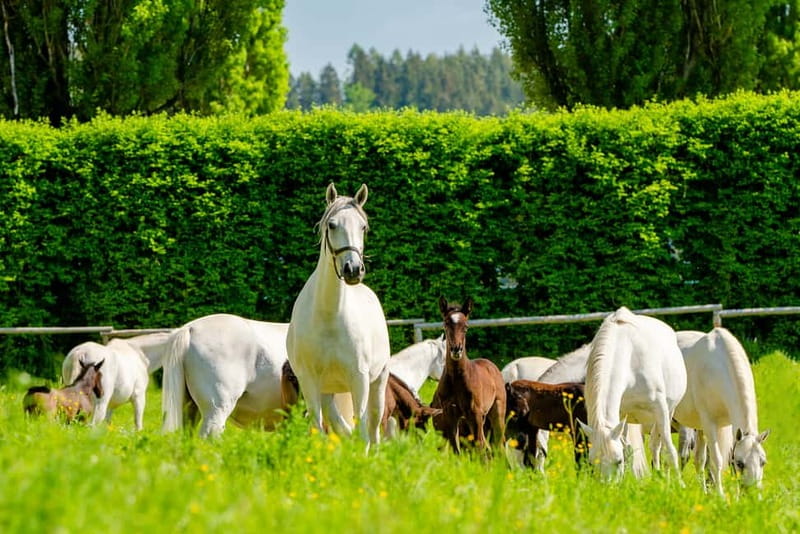
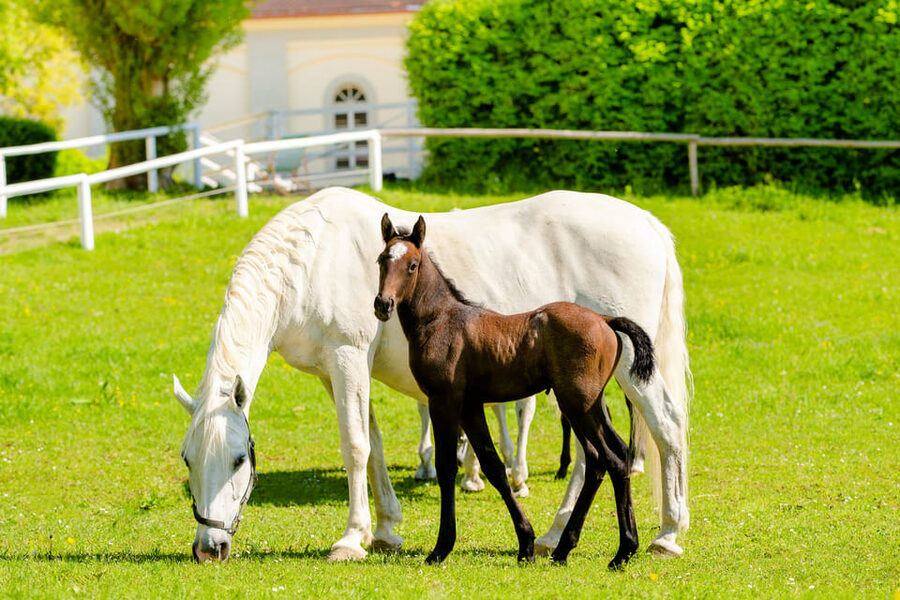
The foal area is likely to be the most memorable stop. During their first months at Piber, the foals explore their surroundings while remaining under the watchful care of their mares. Their behavior is less formal than the controlled movements you associate with trained stallions, which makes this part feel especially natural.
You may see the youngsters investigating their space, moving about, and staying close to the adults. The appeal is simple: these are horses at the beginning of their lives, not finished performers.
You should also expect some limits. The stud is a working operation, so the animals are not there to entertain you on demand. Feeding animals is not allowed, and riding them is forbidden. Those rules protect the horses and help keep the visit from becoming a petting-zoo experience.
For that reason, bring patience. You might see the foals clearly, or you might find them resting, moving away, or partly hidden by the mares. The point is to observe their routine without interrupting it.
Fresh summer air on the mountain pastures adds another layer to the visit. The setting helps you understand that horse care here is not limited to indoor stables. The animals also spend time in open pasture, where daily life follows the needs of the herd rather than a visitor timetable.
What the guided tour actually shows
The guided route introduces the stud’s breeding work, horse care, and place in Lipizzaner history. Your guide can help connect the buildings, horses, and institutional story, which is useful if you want more than a self-guided walk.
Still, do not expect access to every part of the operation. A guided visit shows only a small section of the stud. That is normal for a working animal facility, but it can affect your sense of value if you arrive expecting a long behind-the-scenes tour.
The most useful approach is to think of the tour as one part of a larger visit. The live explanation gives structure, then the museum, cinema, courtyard, and outdoor areas fill in the rest.
The tour also tries to show the animals’ daily life without disturbing it. That is a strength, even if it means you may hear fewer dramatic stories or see fewer areas than at a purpose-built attraction.
Information about how horses are chosen for the Spanish Riding School and how their formal training develops may be less detailed than you expect. If that subject is your main reason for coming, ask about an English tour in advance and use the museum to add background.
Seeing horses and riders train in the riding hall
The riding hall changes the mood of the visit. Instead of watching foals discover their surroundings, you can observe horses and riders working through training sessions.
This is where the Lipizzaner connection becomes easier to understand. The horses you see as young animals at the stud are linked to a demanding tradition of training and performance. The riding hall gives you a chance to watch that relationship in practice.
The available information does not promise a full performance or a set show. Treat the session as training, not theater. You may see work in progress rather than a polished display, and that is part of its value.
I like this contrast. The foal area shows the beginning of the process, while the riding hall shows discipline and cooperation later on. Together, they make the visit more useful than a tour focused only on famous stallions.
You should also keep expectations realistic. Training sessions may not explain every stage of a horse’s education, and the standard German presentation may not cover all the details you want. Visitors especially interested in selection, schooling, and the route toward the Spanish Riding School may need to ask direct questions.
More Guided Trips in Austria:
- Vienna Horse-drawn Carriage Guided Tour
★ 4.5 · 27 reviews - NYC: Guided Central Park Horse Carriage Ride
★ 4.8 · 877 reviews - Camargue: Half-Day 4×4 Guided Safari Adventure
★ 4.6 · 846 reviews - NYC: Private Central Park Horse Carriage Ride with Guide
★ 4.9 · 790 reviews
The museum and cinema put the horses in context
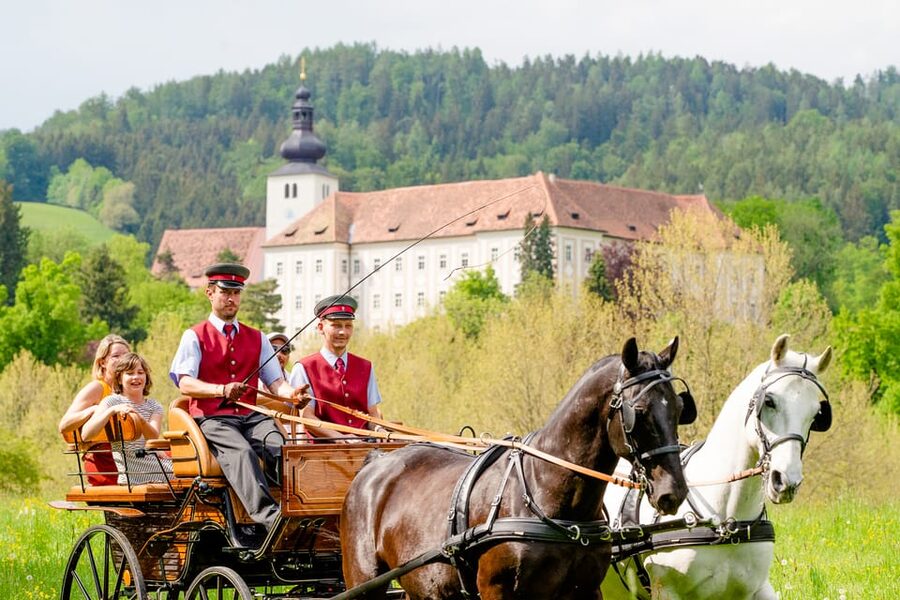
The museum is included with your ticket, and you should make time for it. The horses are the immediate attraction, but the exhibits help explain how the Lipizzaner tradition developed and why Piber matters.
A museum visit is also a good answer to one of the tour’s weak points. The live route may not spend much time on horse selection or formal training. The museum can provide background that the outdoor portion cannot easily cover while everyone is moving between working areas.
The cinema is included as well. It offers another way to learn about the stud and its horses, especially if your German is strong enough to follow the presentation. If you are visiting with children, a film can also provide a quieter pause between outdoor stops.
Because both the museum and cinema are part of the entrance, I would not rush straight out after the guided portion. The $28 price makes better sense when you treat the visit as a complete package rather than paying only for the guide.
A useful stop for families with children
Piber has a children’s adventure path around the stud. That feature gives younger visitors a reason to keep exploring after the main explanations become too technical.
It is not a substitute for watching the real horses, but it helps balance the visit. Children can move through the grounds with a task in mind while adults take in the farm, history, and training areas.
The foals are another strong family draw. Young children often connect more quickly with the sight of a mare and foal than with a museum panel about breeding records. Just make sure everyone understands that the animals cannot be fed or ridden.
The stud can suit families who want an outdoor stop with an educational side. It may be less satisfying for anyone seeking a full day of constant activity, since the guided section itself may cover only a limited part of the property.
Language is the most important practical issue
The regular live tour is in German. That is not a minor detail, because much of the value comes from the guide’s explanations about care, breeding, and the Lipizzaner tradition.
English tours are available only by prior request. Contact the stud before booking if you need English, rather than relying on an English-speaking guide being present when you arrive.
An audio guide may be included, but language availability is not stated for every option. If you do not speak German, confirm what language support will be offered on your chosen date.
The language issue can change the value of the $28 ticket. German speakers are in the best position to get the full benefit of the live tour. English speakers who arrange a tour ahead of time should also do well. If you arrive without German and without advance arrangements, you may end up exploring on your own with fewer explanations.
One French-speaking visitor had no French audio guide and did not receive a guided explanation, so this is worth taking seriously. The stud itself remained worthwhile, but the educational side was much weaker without language support.
Is $28 a fair price?
At $28 per person, the cost is reasonable if you use the full set of inclusions. You get a guided tour or audio guide, access to the inner courtyard, the museums, and the cinema. You also have the grounds, foals, riding hall, and children’s path as part of the visit.
The value is strongest for people who enjoy horses and want several ways to learn about them. Families can spread the visit across outdoor areas, exhibits, and the children’s path. Horse enthusiasts can compare breeding and early care with training in the riding hall.
The price feels less convincing if you want only a short look at the famous stallions or expect a long behind-the-scenes tour. The guided route is limited, and some subjects, especially selection for the Spanish Riding School, may receive less attention than you hope.
I would plan to use the whole day validity. The ticket is valid for one day, so you do not need to treat the guided portion as the entire experience. Check the available start times and shape the rest of your visit around the museum, cinema, courtyard, and outdoor areas.
Food and drinks are not included. Plan for that separately, especially if you are visiting with children or intend to spend several hours at the stud.
Accessibility and booking flexibility
The activity is wheelchair accessible, which makes it suitable for visitors who need step-free access. Specific details about every outdoor path or individual building are not provided, so ask the stud if you need information about a particular area.
You can cancel up to 24 hours in advance for a full refund. A reserve-now-and-pay-later option is also available, which helps if your Styria plans are still changing.
The meeting point is in front of the Piber Ticketshop. That simple detail matters because the stud is outside Köflach, and you will want to arrive with enough time to find the ticket office before the tour begins.
Who should book the Piber Stud tour?
I would recommend this experience to horse lovers, families, and anyone interested in the working side of the Lipizzaner tradition. It gives you more than a museum display: you can see foals, observe training, visit the inner courtyard, and learn how the stud cares for its animals.
It is also a good choice if you want an outing that mixes fresh air with history. The mountain pastures and outdoor areas keep the visit from feeling like a series of indoor exhibits.
I would be more cautious if your main goal is a detailed lesson on the Spanish Riding School’s selection process or advanced horse training. The standard tour may not go far enough, and the language barrier can reduce the amount you take away.
My verdict on Lipizzaner Stud Piber
Book it if you can arrange the right language support and plan to use more than the guided route. The foals, riding hall, museum, cinema, and family path create a well-rounded visit, and the $28 price is fair when you spend time with the full offering.
If you speak German, the experience should be straightforward. If you speak English, request an English tour before booking. If you cannot arrange that, you can still see an interesting stud and its horses, but you may miss much of the explanation that gives the visit meaning.
FAQ
Where is Lipizzaner Stud Piber?
The stud is located just outside Köflach in Styria, Austria. The meeting point is in front of the Piber Ticketshop.
How much does the guided tour cost?
The price is $28 per person. The ticket includes a guided tour or audio guide, entry to the inner courtyard, and entry to the museums and cinema.
Is the tour available in English?
The regular live tour is in German. English guided tours are available only by prior request, so arrange this before your visit.
Can I see Lipizzaner foals?
Yes. You can observe foals exploring their surroundings during their first months at the stud while remaining under the care of their mares.
Are food and drinks included?
No. Food and drinks are not included in the activity price.
Is the stud wheelchair accessible?
Yes. The activity is listed as wheelchair accessible. Specific access details for individual areas are not provided, so contact the stud if you need information about a particular route.
Just added around Austria
- Vienna Horse-Drawn Carriage Ride with Sparkling Wine and Food★ 5.0 · 44 reviews
- Vienna Mozart VIP Package: Concert, Dinner and Carriage Ride★ 5.0 · 10 reviews
- Entry Ticket Lower Belvedere with Orangery & Palace Stables★ 4.0 · 35 reviews
- Vienna Horse-drawn Carriage Guided Tour★ 4.5 · 27 reviews
- Private Horse-Drawn Sleigh Ride from Salzburg★ 4.5 · 46 reviews
- From Salzburg Romantic Carriage Ride through the Countryside★ 4.6 · 32 reviews
- Vienna: Carriage Ride Through Schönbrunn Palace Gardens★ 4.6 · 96 reviews
- From Salzburg: Ramsau Day Trip with 1-hour Carriage Ride★ 4.3 · 104 reviews
Horse Shows & Equestrian Events, compared.
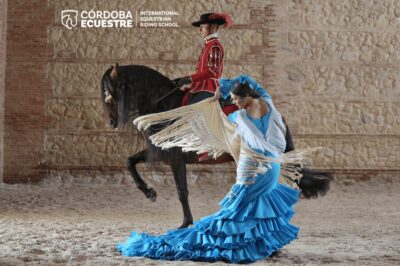
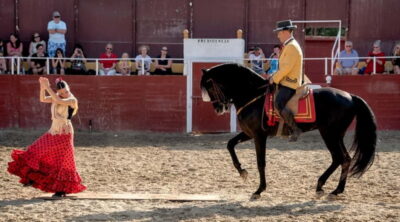
Fuengirola: Spanish Horse Show with Optional Dinner/Flamenco
Read our review →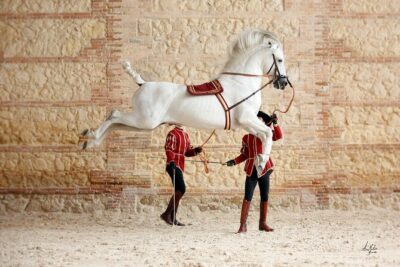
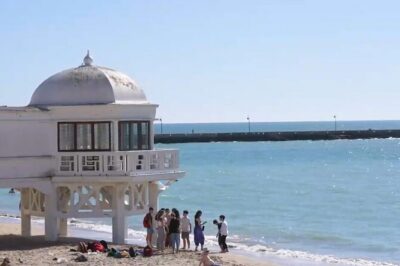
Jerez & Cadiz Winery with Tasting & Opt Horse Show from Seville
Read our review →
From Budapest: Puszta Horse Show and Countryside Visit
Read our review →
Dhow Cruise Dubai with Buffet Dinner, Dance & Horse Show
Read our review →
Jerez, Cadiz Wine Tasting with Optional Horse Show
Read our review →Browse the lists this tour appears in