
Review · SPAIN HORSE RIDING TOURS
Jerez de la Frontera: Andalusian Horse Dance and Museums
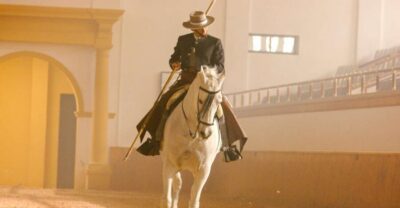
The main event is a 90-minute equestrian ballet in which Andalusian horses perform piaffe, Spanish walk, passage, pirouettes, Pas de Deux, carriage work, and other demanding movements to Spanish music. Riders wear 18th-century-style costumes, and the setting at the Royal Andalusian School of Equestrian Art gives the performance a strong sense of place.
I like two things here. First, you see much more than a staged horse show: the museums, palace grounds, saddlery, stables, and training areas explain how this tradition works. Second, the $38 price covers a full half-day program, not just the arena performance. The main drawback is that seating comfort can vary, and photography and video restrictions mean you need to enjoy the show without relying on your camera.
- Classical riding in action: Watch Andalusian horses perform piaffe, levades, caprioles, courbettes, Spanish walk, and other Haute École exercises.
- A full cultural visit: Combine the show with the Art Equestrian Museum, Carriage Museum, palace, gardens, and saddlery.
- Training before performance: You may see horses being groomed, schooled, or prepared in the training areas before the show.
- Carriages with real purpose: See traditional vehicles driven by coachmen using classical harnesses.
- Useful timing: The show runs from 12:00 to 1:30 PM, while the museums are open around the performance period.
- Best for horse lovers: You do not need expert riding knowledge, but a basic interest in horses will help you appreciate the precision.
Why the Jerez Horse Ballet Is Worth Your Morning
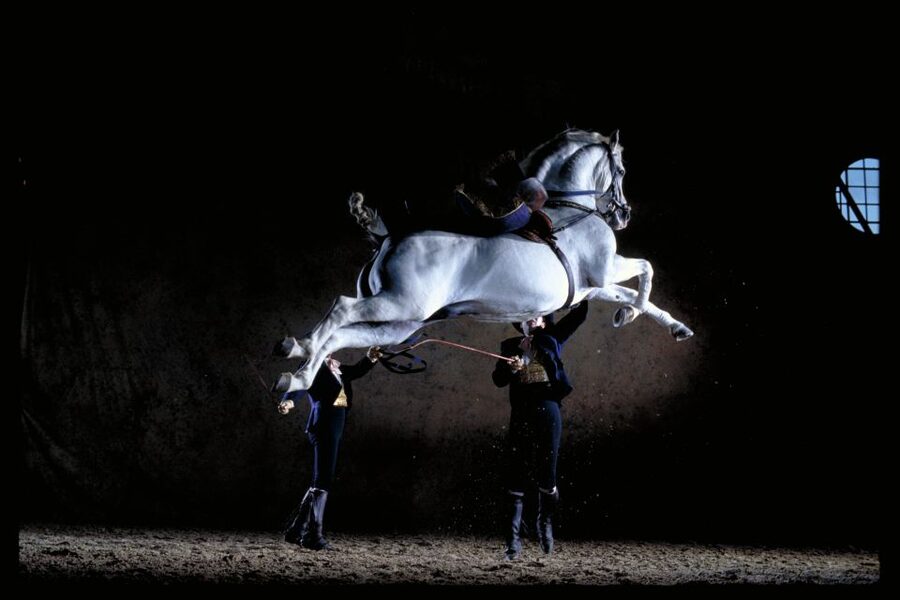
The Royal Andalusian School of Equestrian Art presents horse training as theater, but it is not a circus act. The movements come from classical dressage, Doma Vaquera, and practical riding traditions once used in everyday work. That difference matters. You are watching discipline, balance, and communication between rider and horse rather than a string of unrelated tricks.
The program usually includes six to eight choreographies. You might see young horses introduced in The Colts, paired riders performing a Pas de Deux, and several horses working together in precise formations. Other sections include Passage and Piaffer, Domino on Horseback, Airs Above the Ground, and Fantasy.
The Spanish music and period costumes give the hour and a half a formal, almost theatrical rhythm. The horses perform advanced exercises in a purpose-built setting, and the final group work brings the riders together for a polished finish.
I would not book this only because you have seen a similar Lipizzaner performance in Vienna. The comparison is useful, but Jerez has its own Andalusian character, including links to Spanish riding, carriage driving, and Doma Vaquera. The show feels connected to the region rather than imported from a general European dressage tradition.
Arriving at the Royal Andalusian School
When you arrive, go to the ticket office and exchange your booking confirmation for entry. The process is straightforward, but allow time to find the reception area and get oriented before the show.
The school is easy to reach by taxi from Jerez’s train station. One visitor described the taxi ride as about 10 minutes, while another walked back to the station in roughly 25 minutes. If you are coming from Seville, you can reach Jerez by train and then continue by taxi. From Cádiz port, the ride has been described as about 30 minutes by taxi.
Driving is possible, but parking around the school can be difficult. Pay attention to local street restrictions and fines. If you arrive with luggage, ask at the venue about storage, since this has been available in some cases, but do not assume it is guaranteed.
The entrance leads through the Visitor Reception Centre. Before 11:00 AM, you can see an audiovisual presentation about equestrian art in Andalusia and the school’s work. This is a useful introduction, especially if you do not know the difference between dressage movements or the role of the Andalusian horse.
More Museum Visits in Spain:
- Customized Day Tour to Terracotta Army and Horses Museum
★ 5.0 · 37 reviews - Half-Day Tour: Terracotta Warriors and Horses Museum
★ 5.0 · 7 reviews - Majorelle-Menara garden & the Yves Saint Laurent museum Horse carriage tours
★ 3.5 · 7 reviews
The Palace Gardens and 19th-Century Setting
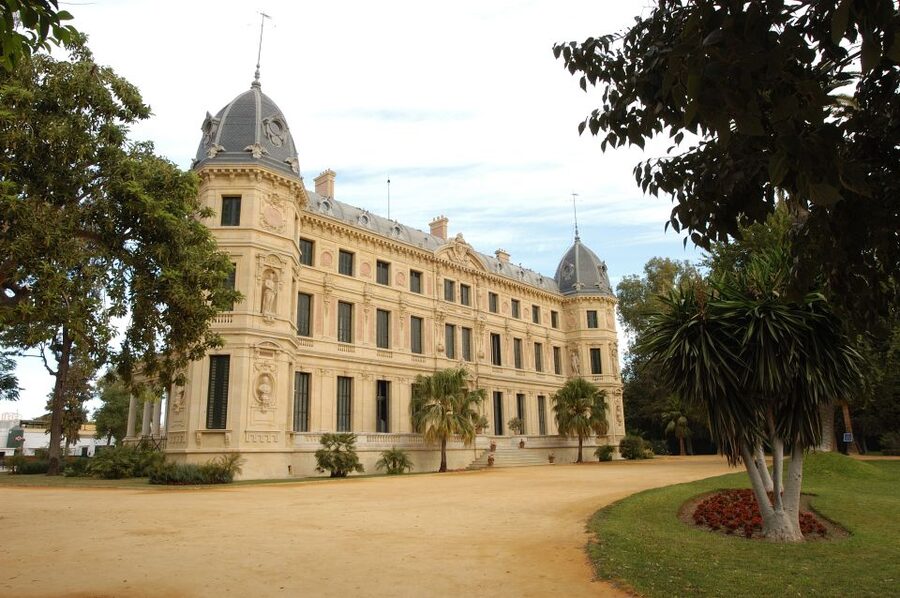
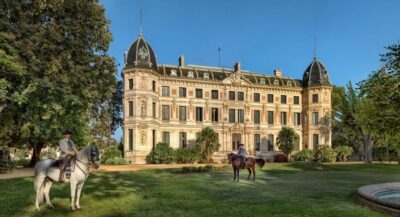
After reception, the route leads into gardens with a variety of exotic plants. The palace rises above them in 19th-century style, giving the visit a more graceful setting than a simple sports arena.
Take a little time here. The gardens help you slow down before the museums and show, and they make the school feel like an institution with a long public tradition rather than only a performance venue.
The palace is closed on Saturdays and public holidays, so check the calendar before you book if the building itself matters to you. The saddlery is also closed on those days. The main horse show and museum schedule may still make the visit worthwhile, but the complete experience depends on your date.
The Art Equestrian Museum in 11 Rooms
The Art Equestrian Museum occupies the basement and uses 11 rooms to explain the origins and development of equestrian art and the horse in Andalusia. The displays include historical material, film clips, and explanations in both English and Spanish.
I like this part because it gives meaning to the show. Without context, a piaffe or capriole can look like a beautiful but mysterious movement. In the museum, you begin to see how riding developed as a practical skill, a military art, a form of display, and eventually a formal performance tradition.
The museum is open from 10:00 AM to 2:00 PM. That makes a pre-show visit the sensible choice. You can study the displays before seeing the horses, then recognize some of the movements and equipment when you enter the arena.
The material is fairly factual rather than entertainment-focused. If you want a quick attraction, you can move through it briskly. If you care about training, tack, dressage, and Andalusian traditions, give it more time.
Saddlery, Stables, and Training Areas
The saddlery shows where harnesses are made and repaired. This is a small but valuable stop because it connects the museum displays with the practical work needed to prepare horses and carriages.
The training areas may be one of the most rewarding parts of the visit. Depending on access and the day’s schedule, you might see horses being groomed, warmed up, or schooled before the performance. Several visitors especially valued seeing the young riders and horses working before the formal show.
This behind-the-scenes element changes how you watch the arena performance. You see that the polished presentation begins with routine care, preparation, and repeated training. You may also be able to get close to the horses in stable areas, although access can vary.
Follow staff instructions and do not assume that every stable or training space is open at every hour. Some visitors have found the route from one part of the school to the museum confusing, with directions sending them outside along the main street. Keep your ticket and ask clearly where the next museum or stable entrance is.
More Horse Riding Tours in Spain:
- Jerez de la Frontera: How the Andalusian Horses Dance
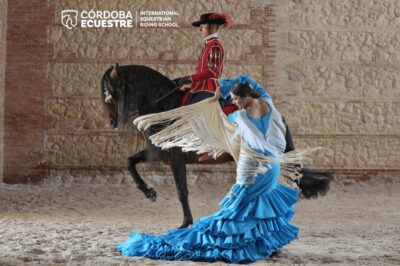
★ 4.6 · 6,168 reviews - Cordoba: Equestrian Show General Entry
★ 4.5 · 2,333 reviews - El Salobre: Horse Riding Adventure with Transfer Options
★ 4.5 · 2,034 reviews - Mallorca: Horseback Riding Experience with Food Options
★ 4.6 · 1,424 reviews
The Carriage Museum’s Showpiece Collection
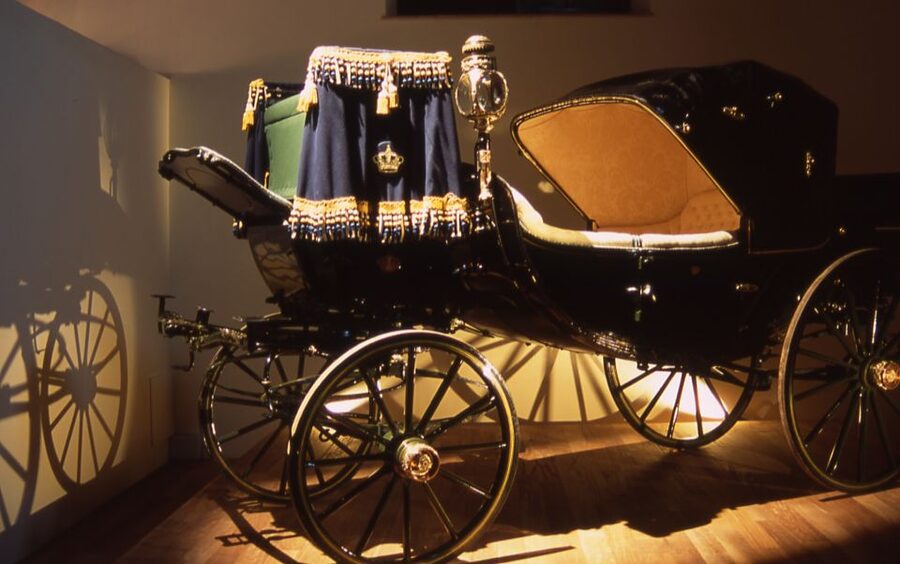
The Carriage Museum comes near the end of the visit and is open from 10:00 AM to 3:00 PM. It contains carriages once used for transport and now used in sport and exhibitions, along with harnesses and equestrian costumes.
The carriages are not just decorative objects. During the performance, you see how horses draw them and how coachmen handle the reins, equipment, and turns. The museum lets you inspect the vehicles at close range and understand the skill required to coordinate horse, carriage, harness, and driver.
The collection can be especially interesting if you are less familiar with dressage. It broadens the visit beyond riding in the saddle and shows another side of Andalusian horsemanship.
Photography is restricted in the museums and other parts of the venue according to the supplied entry rules. Some past visitors have reported different rules during the arena performance, but you should follow the current instructions given at the ticket office and by staff. Bring your eyes, not a camera plan.
What Happens During the 12:00 PM Performance
The show runs from noon until 1:30 PM. The arena program combines classical dressage, Doma Vaquera, carriage driving, and traditional equestrian tasks.
You may see horses perform:
- Piaffe, a collected movement in place
- Passage, a controlled elevated trot
- Spanish walk
- Pirouettes and paired work
- Levades, courbettes, and caprioles
- Carriage driving with classical harnesses
- Group exercises performed in unison
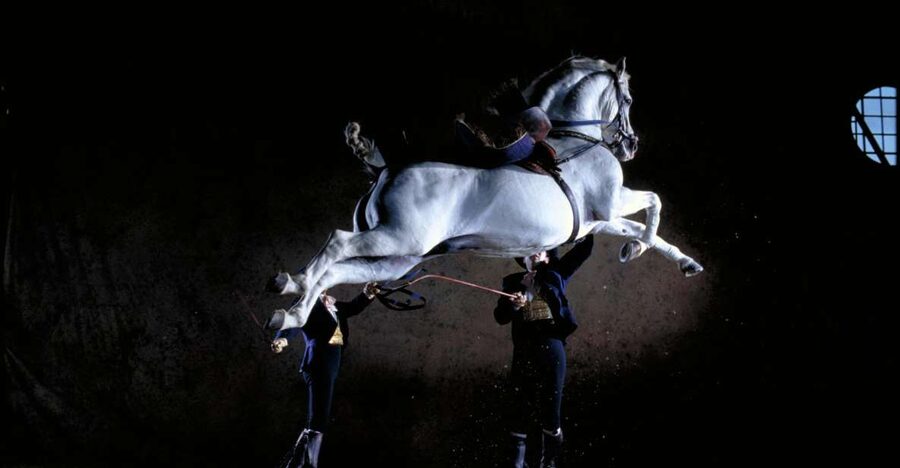
The high-level movements called Airs Above the Ground are among the most demanding sections. They require strength, balance, training, and exact timing from both horse and rider. You do not need to know the technical names to appreciate the concentration in the arena, but the museum and program explanations help you recognize what you are seeing.
The riders traditionally wear 18th-century-style costumes, and the music supplies a steady Spanish atmosphere. The effect is formal and controlled, not loud or flashy. The strongest moments come when several horses move together with almost no visible correction from the riders.
The performance is suitable for families. A three-year-old was reported to remain absorbed by the show, but younger children may find the full 90 minutes long if they are not interested in horses.
Seating, Heat, and Practical Comfort
All seats are designed to provide a view of the arena, and some visitors found the legroom and spacing very good. Others found the seating notably uncomfortable. Expect a traditional venue rather than a modern theater with padded, adjustable seats.
Jerez can be very hot. One performance took place with the outdoor temperature at 37 C, and even the riders needed refreshments afterward. If you visit in summer, drink water, wear light clothing, and arrive prepared for heat while moving around the grounds.
The site has a snack bar with reasonably priced drinks and snacks. It is useful after the performance, especially if you have spent the morning walking through the museums and training areas. The café offering is limited, so plan a proper meal elsewhere if you need more than a quick drink.
The souvenir shop is attractive, but its opening hours may not match your entire visit. One visitor found it closed by the time they left. If you want a keepsake, do not wait until the last minute.
The activity is wheelchair accessible. Bring a passport or identity card, as identification is listed among the items you should carry. Pets, smoking, glass objects, weapons, sharp objects, cameras, and video recording are not allowed under the stated venue rules.
Is $38 Good Value?
At $38 per person, this is a good value if you use the full program. The show alone is the main attraction, but the price also includes the audiovisual presentation, palace access when open, saddlery when open, Art Equestrian Museum, and Carriage Museum.
The value is strongest for anyone who would otherwise pay separately for a horse performance and a museum visit. You receive about 3.5 hours of activity, with the 90-minute show as the fixed center of the day.
It is less compelling if you plan to arrive just before noon and leave immediately after the performance. You would miss the historical context, carriages, gardens, and training areas that make this more than a ticket to a show.
The booking terms also help with planning. You can cancel up to 24 hours in advance for a full refund, and you can reserve now and pay later. That is useful if you are building a trip around train schedules or a cruise stop, but you still need to check the performance date and museum opening days.
Who Should Book This Experience?
I would recommend it first to horse lovers, riders, and anyone interested in Spanish traditions. The close look at grooming, schooling, saddlery, harnesses, and carriage work gives you plenty to study beyond the arena.
It also suits families and general culture seekers. You do not need riding experience, and the show communicates through movement, music, costumes, and visual skill. The museum displays are available in English and Spanish, which helps international visitors follow the story.
It may not suit someone who dislikes formal performances or has no interest in horses. Much of the program is quiet, precise, and traditional. If you want a fast-moving action show, the controlled pace may feel slow.
The all-male presentation noted by one visitor may also be worth keeping in mind if representation among the riders matters to you. The focus is firmly on the established school and its riding tradition.
Should You Book the Jerez Horse Dance?
Yes, if you can give it the full morning and early afternoon. The most rewarding plan is to arrive early for the audiovisual presentation, walk through the palace grounds, visit the equestrian museum and saddlery, see any available training activity, attend the noon show, and finish at the Carriage Museum.
Book it with realistic expectations. This is not simply a chance to photograph beautiful horses. Photography is restricted, seating may be uncomfortable, and some routes around the property need clearer directions. But the combination of disciplined riding, Andalusian music, period costumes, working carriages, and hands-on museum displays gives you a memorable view of Jerez’s equestrian culture.
If the date works and you have even a modest interest in horses, I would make room for it.
FAQ
How long does the experience last?
The stated duration is 3.5 hours. The horse show itself runs from 12:00 PM to 1:30 PM, with museums, gardens, the palace, and other areas fitting around it.
What time is the horse show?
The show takes place from 12:00 PM to 1:30 PM.
What can I see besides the horse show?
You can visit the audiovisual presentation, palace, gardens, Art Equestrian Museum, saddlery, training areas when accessible, and Carriage Museum.
Are the museums open in English?
The museum information is available in both English and Spanish.
Is the experience wheelchair accessible?
Yes, the activity is listed as wheelchair accessible.
Can I take photographs or record video?
The stated rules prohibit cameras and video recording. Follow the current instructions given by the venue staff, since rules may be applied differently in specific areas.
Where do I exchange my ticket?
Go to the ticket office at the Royal Andalusian School of Equestrian Art when you arrive.
Is the palace always open?
No. The palace is closed on Saturdays and public holidays. The saddlery is also closed on Saturdays and public holidays.
What should I bring?
Bring your passport or identity card. You should also prepare for heat, especially during summer performances.
Just added around Spain
- Horseback Riding by the beach or mountain in Tarifa, Spain – 1 to 2 hrs★ 5.0 · 3 reviews
- Horseback riding through the Calblanque Natural Park★ 3.5 · 12 reviews
- Horseback riding route through Doñana + visit to El Rocio-Private tour★ 4.0 · 2 reviews
- Private Horse Carriage Ride and Walking Tour of Seville★ 4.5 · 4 reviews
- Seville Palaces: Dueñas Palace and Pilate House Tour★ 5.0 · 28 reviews
- Jerez and Cadiz with Horse Ballet and Sherry Tasting from Seville★ 4.5 · 45 reviews
- Horseback riding tour of Doñana and visit of El Rocio★ 4.5 · 4 reviews
- Donana National Park Horse or 4×4 Riding Day Trip★ 5.0 · 4 reviews
Spain Horse Riding Tours, compared.
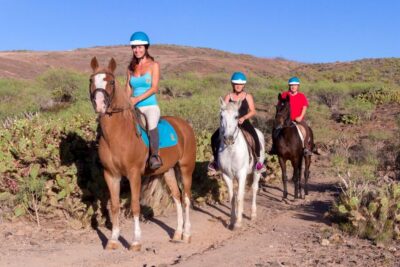
El Salobre: Horse Riding Adventure with Transfer Options
Read our review →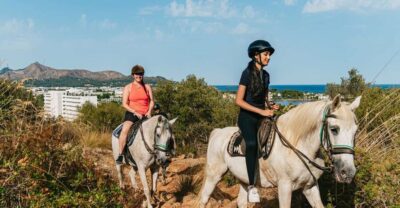
Horseback Riding Experience with Food Options
Read our review →
Royal Andalusian School of Equestrian Art Admission
Read our review →
Montserrat Monastery & Horse Riding Experience from Barcelona
Read our review →Browse the lists this tour appears in