
Review · TOKYO HORSE RIDING TOURS
Tokyo: Sumo Morning Practice -Stable Visit Tour with a Guide
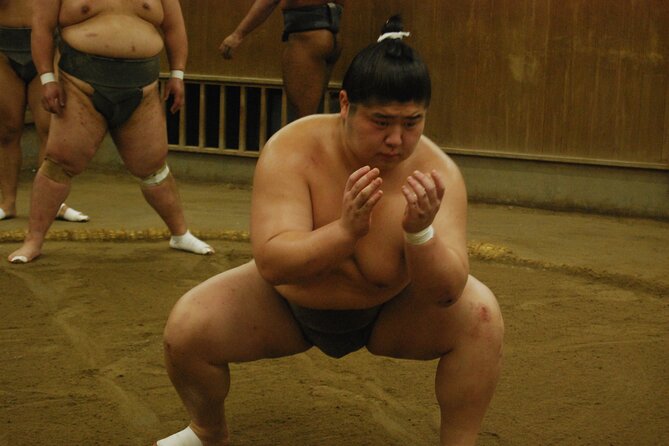
At a sumo stable near Tokyo Skytree, you sit close enough to hear bodies collide and see wrestlers control every breath. This is not a staged demonstration. It is a serious morning workout, with the coach’s sharp voice driving the session. I like the close view of real practice and the way guide Ishida explains the rules before the action begins. The chance to take photos with wrestlers afterward is another strong touch.
I also like that the visit shows the daily life behind the tournament. You learn how apprentices live and train, and why respect between rikishi and coach matters. The main drawback is that you must stay very quiet, avoid food, and accept strict rules about photography and video. Children under 10 cannot join.
Key points to know before booking
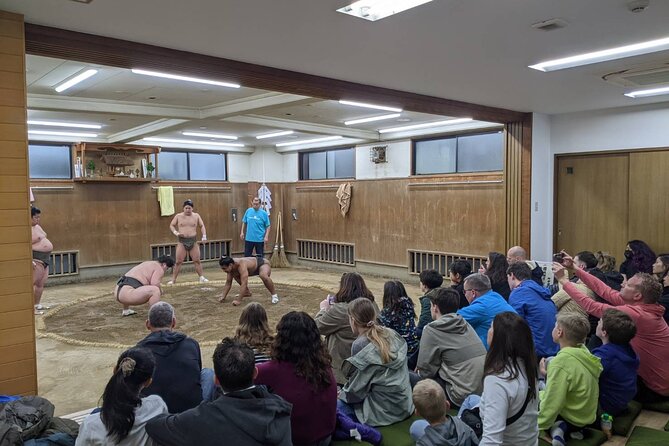
- Sit close to the ring: You watch breathing, facial expressions, footwork, and body contact from cushions inside the stable.
- Guide Ishida explains the basics: You receive an introduction to sumo rules, wrestler life, and the stable before or during practice.
- Morning training is unscripted: The coach’s loud, forceful instructions and the wrestlers’ concentration create a serious atmosphere.
- Photos are allowed with limits: Non-flash photography is fine, but video and flash photography are forbidden inside the stable.
- The meeting point is near Tokyo Skytree: You meet in front of the Memorial Statue of Soramachi Hiroba.
- The $90 price buys access you cannot easily arrange alone: The English guide and special brochure help you understand a private working space.
Watching sumo before the Kokugikan
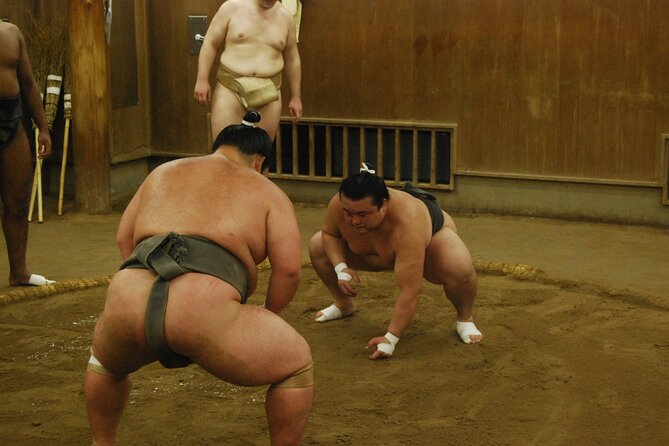
A tournament at Tokyo’s Kokugikan gives you the full spectacle: formal entrances, judges, packed seating, and bouts presented as public competition. This visit gives you something different. You see the work that comes before the show.
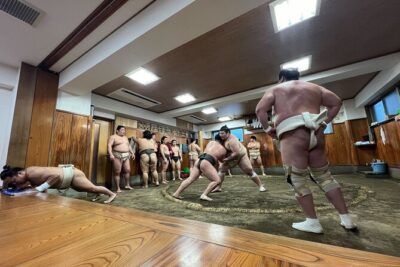
The wrestlers practice in the morning at an Ikazuchi Sumo Stable near Tokyo Skytree. You are close enough to notice details that can disappear in a large arena. You may hear the heavy impact of bodies meeting, see a wrestler’s face tighten with effort, and watch how carefully each movement is repeated.
That closeness is the heart of the experience. You are not simply looking at large athletes from far away. You are watching a demanding routine built around strength, balance, timing, and discipline.
The practice is real, so the mood can feel intense. The coach’s voice may sound harsh when you first hear it. That tone is part of the training, not a performance for the group. The wrestlers need to concentrate, and the stable depends on a clear relationship between coach and students.
I find this more useful than a quick photo opportunity on its own. The sounds, pauses, corrections, and repeated effort help explain why sumo is treated as a national sport rather than only a form of entertainment.
More Sunrise and Morning Trips in the world:
- Cappadocia: Horseback Tour with Sunrise and Sunset Options
★ 4.9 · 1,755 reviews - Morning Horseback Ride with Breakfast from Las Vegas
★ 5.0 · 1,674 reviews - Cappadocia: Horse Riding Tour with Sunrise or Sunset Options
★ 4.8 · 1,377 reviews
Meeting Ishida near Tokyo Skytree
You meet in front of the Memorial Statue of Soramachi Hiroba. The stated meeting point matters because a sumo stable is a working place, not a standard sightseeing attraction with a large public entrance. An English-speaking guide helps you get from the meeting point to the stable and understand what you are about to see.
Guide Ishida begins by covering basic sumo rules. This is important even if you know the sport only from brief television clips. Without a little preparation, a morning practice can look like a series of powerful collisions. With the basics in place, you can pay attention to the purpose of the movements and the roles of the wrestlers.
Ishida also explains the life of a wrestler while living at the stable. That context gives the training a human side. You are not only watching athletes work out. You are learning about apprentices, coaches, discipline, and the shared routine that keeps the stable operating.
A special brochure is included, giving you something to refer to during the visit. It is useful for sorting out names, rules, and the structure of what you see, especially if this is your first direct encounter with sumo.
Inside a working sumo stable
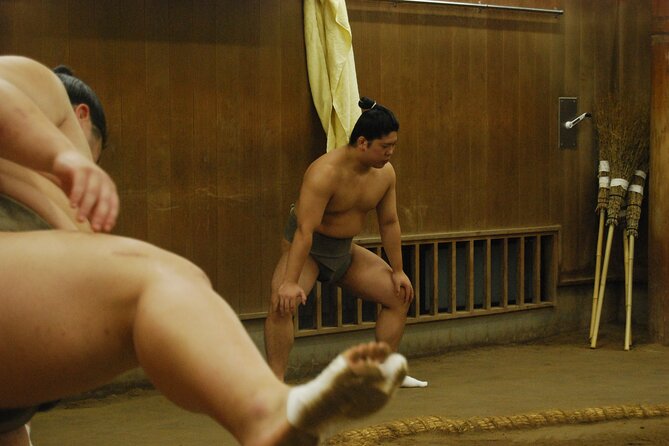
Once inside, you are expected to protect the wrestlers’ concentration. Private conversation should be avoided during practice, and making noise is not allowed. This can feel strict, but it is a fair condition for entering a serious training session.
You sit on cushions and watch from a close position. One visitor described having an excellent view from the cushions, which tells you what kind of access to expect: not a distant look through a doorway, but a seated view near the training area.
The practice itself may not follow a sightseeing timetable in the way a museum tour does. The useful approach is to watch patiently. Notice the breathing, the pauses, the stance, and the sound of contact. The coach’s instructions can seem loud or severe, but the stable’s daily work depends on that direction.
The most valuable part is the contrast between force and control. Sumo looks explosive when two bodies meet. Yet the wrestlers must manage balance and position at every moment. From close range, you can see that power alone is not the whole sport.
You should also remember that the stable is not a theater. The wrestlers are there to train, and your presence comes second to their work. Follow the guide’s instructions, keep conversation to a minimum, and do not expect the athletes to pause their routine for every photograph.
The photo opportunity after practice
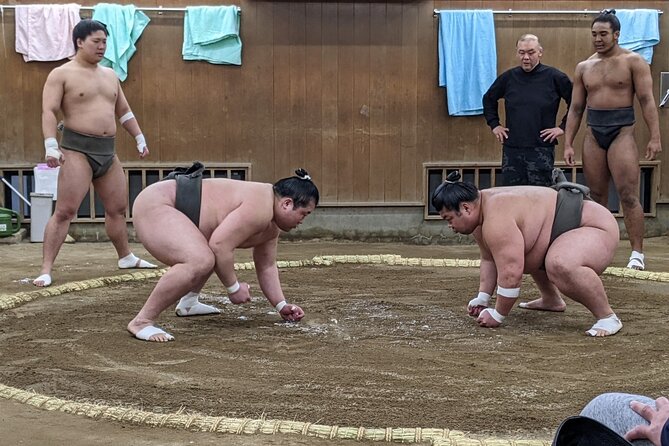
Photography is allowed, but the rules are precise. You may take photographs without flash. Video recording and flash photography are prohibited inside the stable.
That limitation is sensible. A sudden flash or a phone held up for filming could distract wrestlers who are concentrating on balance and timing. Bring a camera or phone, but keep it ready for quiet, non-flash photographs rather than continuous filming.
A photo session with sumo wrestlers is one of the tour’s advertised highlights. It gives you a clear memory of the visit and adds a personal moment after the demanding practice. Still, you should treat it as a privilege, not the main event. The training is the reason this experience has value.
If you want to support the rikishi after practice, the instructions invite you to leave a tip. This is optional, but you can carry a little cash if you feel that the visit deserves an extra gesture of thanks.
More Guided Trips in the world:
- NYC: Guided Central Park Horse Carriage Ride
★ 4.8 · 877 reviews - NYC: Private Central Park Horse Carriage Ride with Guide
★ 4.9 · 790 reviews - Akrotiri: Guided Horseback Riding Day Trip to a Beach
★ 4.9 · 477 reviews - Gettysburg: Licensed Guided Battlefield Horseback Tour
★ 4.9 · 419 reviews
What the $90 price really covers
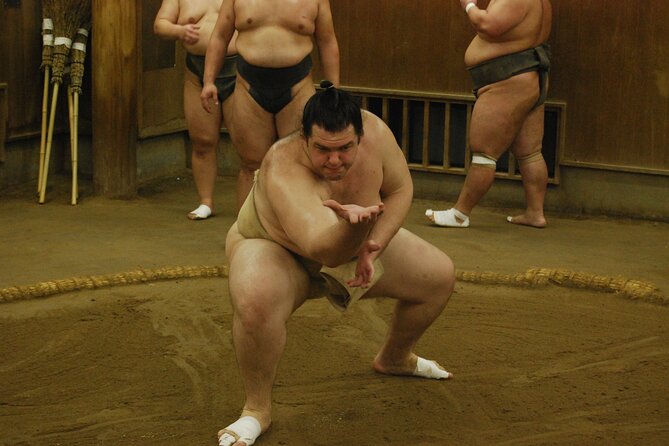
At $90 per person, this is not the cheapest way to spend two hours in Tokyo. You are paying for access to a private working setting, an English-speaking guide, and help understanding a sport that can be difficult to read at first glance.
The price makes more sense if you value access and explanation. You could watch sumo on television for free, and a tournament ticket would offer a larger public spectacle. Neither option gives you this close look at morning training inside a stable.
I see three parts of the value:
- Access: You enter a place that is not part of the normal sightseeing circuit.
- Interpretation: Ishida explains rules and stable life so the practice becomes easier to follow.
- A focused visit: The two-hour format gives you a dedicated look at one part of Japanese sporting culture instead of a rushed stop among many attractions.
The tour is less valuable for someone who wants a casual, noisy photo stop or a flexible schedule. The stable needs quiet, and the practice sets the tone. If you prefer a public event with ceremony and crowd energy, the Kokugikan may suit you better.
The included brochure also adds practical value. It is not a major expense on its own, but it helps turn a brief observation into a clearer lesson about sumo.
The rules that shape your morning
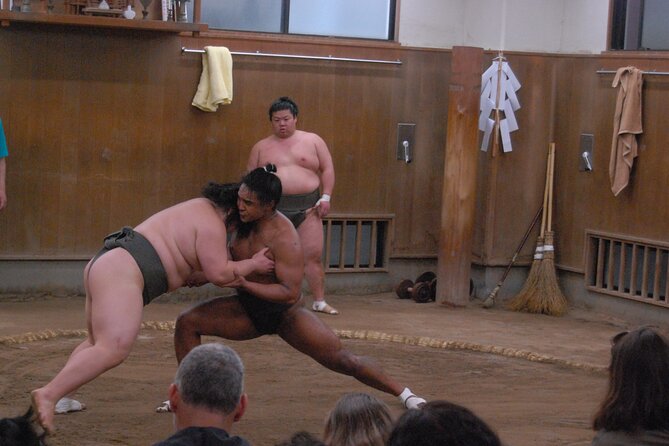
You need to follow the stable’s rules closely. No flash photography, no video, and no noise are allowed. Private conversation should be kept to a minimum so the rikishi and apprentices can focus.
Food is also prohibited during morning practice. That includes snacks, bread, rice balls, and similar items. You may bring a drink, but it must have a lid. This is easy to manage if you eat before arriving and carry a closed bottle.
These details are worth taking seriously because the stable is an active workplace. The restrictions are not there to make the visit difficult. They protect concentration and keep the practice from turning into a tourist show.
The tour is not suitable for children under 10. Older children may still need to understand that sitting quietly is part of the experience. If someone in your group cannot remain quiet for an extended period, this may not be the right activity.
You should also dress and pack simply. The supplied information does not specify clothing requirements, so I would avoid bringing food into the stable and keep your belongings manageable. Most important, arrive prepared to sit, watch, and listen.
Who will enjoy this stable visit
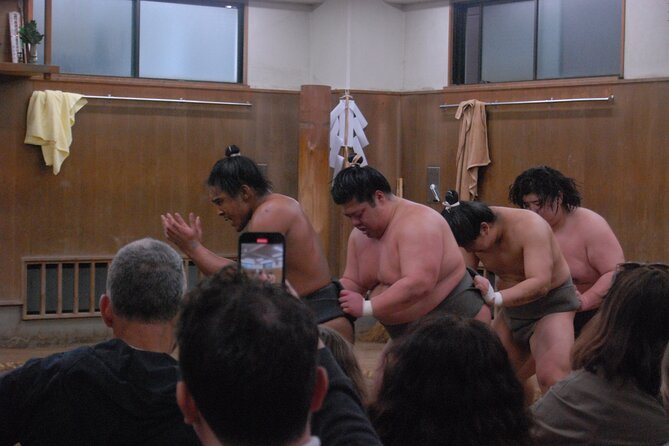
I would recommend this tour to anyone curious about the daily work behind sumo. It suits first-time visitors who want an English explanation, as well as people already interested in Japanese sports and traditions.
It is especially good for you if:
- You want to see sumo from much closer than a tournament seat allows.
- You need basic rules explained before watching practice.
- You are interested in the life of apprentices and the coach-student relationship.
- You value a small, focused cultural experience near Tokyo Skytree.
- You can follow quiet viewing rules without feeling restricted.
I would be more cautious if you mainly want video footage. You cannot record inside the stable, so this is a poor match for anyone hoping to create a long clip of the training.
It may also disappoint you if you expect every minute to be translated or narrated. The wrestlers’ concentration comes first, and the guide cannot turn the session into a running commentary. The best experience comes from listening to the explanation, then watching carefully in silence.
The age limit is another clear factor. Families with children under 10 will need to choose a different activity for that part of the morning.
Why the stable setting matters
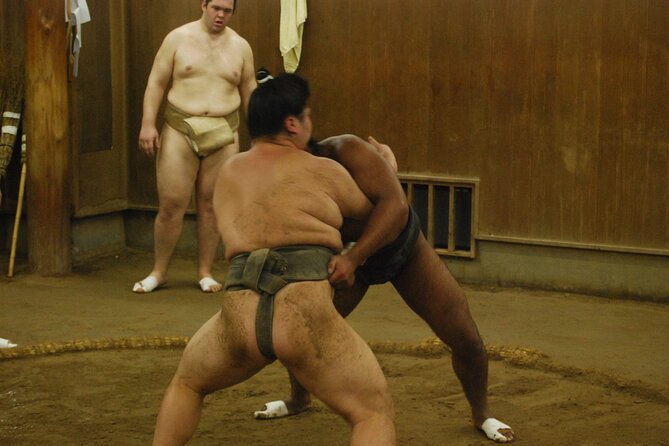
Sumo is often presented through grand tournaments, formal rituals, and famous champions. Those public events are important, but they can hide the routine that supports the sport.
At the stable, you see the less polished side: repeated physical effort, strict instruction, and young apprentices learning within a demanding system. The point is not that the practice is simple. It is that the work is visible.
You can also observe the respect built into the coach and wrestler relationship. The coach’s voice may be strong and sharp, yet the training continues because the wrestlers trust that direction. That relationship gives the stable its daily structure.
For me, this is the most meaningful idea to take away. Sumo survives through people who train every morning, not only through the matches that reach a stadium audience. The stable protects the sport by passing its methods and customs to the next generation.
That is why the visit feels different from a standard cultural display. You are seeing a living routine, with all the discipline and limits that come with it.
Timing, cancellation, and practical planning
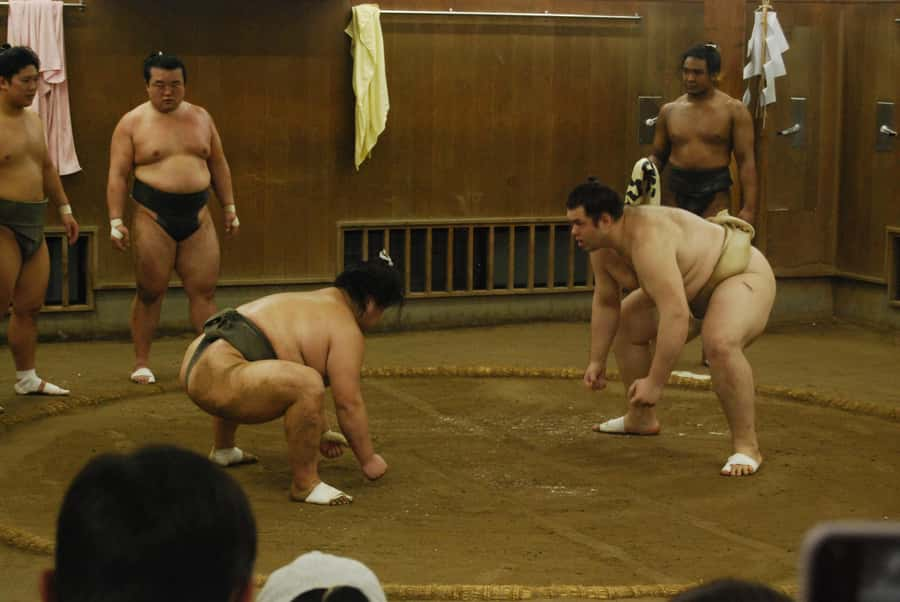
The activity lasts two hours, and available starting times should be checked before booking. Morning timing is not a minor detail here. You are attending practice, so the visit is built around the stable’s daily schedule rather than an all-day sightseeing timetable.
The meeting point is in front of the Memorial Statue of Soramachi Hiroba, near Tokyo Skytree. Give yourself enough time to find the statue and meet the guide without rushing. The stable itself may not be obvious to someone unfamiliar with the area, which is one reason the guide is useful.
You can reserve now and pay later, keeping your plans flexible. Free cancellation is available up to 24 hours in advance for a full refund. Those terms help if your Tokyo schedule is still shifting, but you should still confirm the starting time and meeting details before the day.
The tour is offered in English. It is operated by gotcha Corporation, and the guide is part of the experience rather than an optional extra.
Should you book the Ikazuchi stable visit?
Book it if you want a close, respectful look at real sumo training and you are willing to observe quietly. The strongest reasons are the cushion seating near the action, Ishida’s clear introduction to the rules and wrestler life, and the chance to photograph the wrestlers without flash after practice.
At $90, the visit costs more than a casual Tokyo attraction, but the access is unusual. Even people living in Japan do not see a sumo stable’s morning practice as part of ordinary daily life. You are paying for entry to a protected working space and for the explanation that makes the session easier to understand.
Skip it if video is essential, if you need a relaxed snack break during the activity, or if your child is under 10. Also choose a tournament instead if you want ceremony, crowds, and formal bouts.
For most adults interested in Japanese culture, sport, or life near Tokyo Skytree, I think the stable visit is a strong two-hour choice. Go in expecting quiet concentration, not a staged show, and you will see sumo in a more direct and memorable form.
FAQ
Where does the sumo stable tour meet?
The meeting point is in front of a Memorial Statue of Soramachi Hiroba, near Tokyo Skytree.
How long does the experience last?
The tour lasts two hours. Starting times vary, so check availability when booking.
Is the tour offered in English?
Yes. An English-speaking live guide leads the visit.
Can I take photographs inside the stable?
Yes, photographs without flash are allowed. Flash photography and video recording are prohibited.
Can I eat during morning practice?
No. Snacks, bread, rice balls, and other food are not allowed. You may bring a drink if it has a lid.
Are children allowed to join?
Children under 10 are not allowed to participate.
What is included in the $90 price?
The price includes the English-speaking guide and a special brochure. The experience also includes watching morning practice and a photo opportunity with sumo wrestlers.
Just added around the world
- Horse Ride + Swimming with Turtles in Aquarium at Nungwi Beach★ 4.5 · 8 reviews
- Desert Trail in Morocco on Horseback★ 5.0 · 2 reviews
- Zakytnhos Horse Riding Swimming Experience★ 3.5 · 3 reviews
- Xi’an Half-Day Private Tour of Terracotta Warriors and Horses Museum★ 5.0 · 2 reviews
- Half-Day Tour: Terracotta Warriors and Horses Museum★ 5.0 · 7 reviews
- Beach & countryside horse riding outside Westport. Guided. 1 hour★ 5.0 · 56 reviews
- Private tour to Sevan, Dilijan Off-road tour & Horseback riding★ 4.5 · 5 reviews
- Vienna Horse-Drawn Carriage Ride with Sparkling Wine and Food★ 5.0 · 44 reviews
Tokyo Horse Riding Tours, compared.
Tokyo Sumo Morning Training/ Sumo Practice with Wrestlers
Read our review →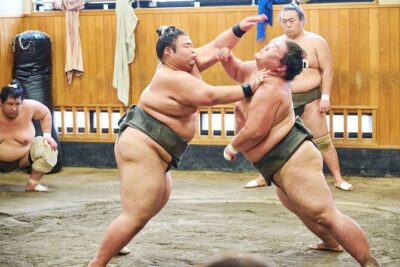
Tokyo: Sumo Morning Practice Viewing Tour at a Real Stable
Read our review →Tokyo: Sumo Morning Practice Viewing Tour at a Real Stable
Read our review →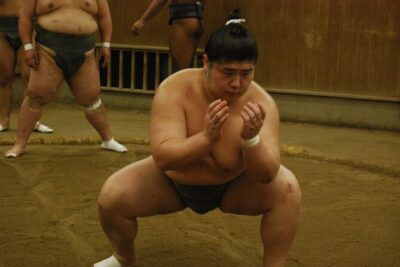
Tokyo: Sumo Morning Practice -Stable Visit Tour with a Guide
Read our review →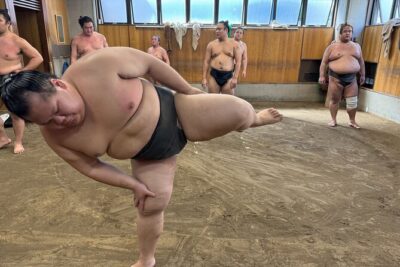
TOKYO , No1 Yokozuna Stable Morning Practice in Ryogoku
Read our review →Browse the lists this tour appears in