
Review · SPAIN HORSE RIDING TOURS
Jerez: Yeguada de la Cartuja Carthusian Horses Tour
The most memorable part of this Jerez outing is seeing Carthusian horses at close range, then watching them move through a formal dressage display. I like the mix of working stud farm and polished show, and I like that you see horses at different stages of life rather than only trained performers.
The main catch is getting there. The farm is outside Jerez, with no transport included, so you need a car, taxi, or another planned ride. Once there, the $22 price is excellent value, especially if you care about horses, Spanish culture, or well-run family activities.
Key points at a glance
- Historic Carthusian bloodline: Learn how the Carthusian Monastery helped shape Jerez’s famous horse-breeding tradition.
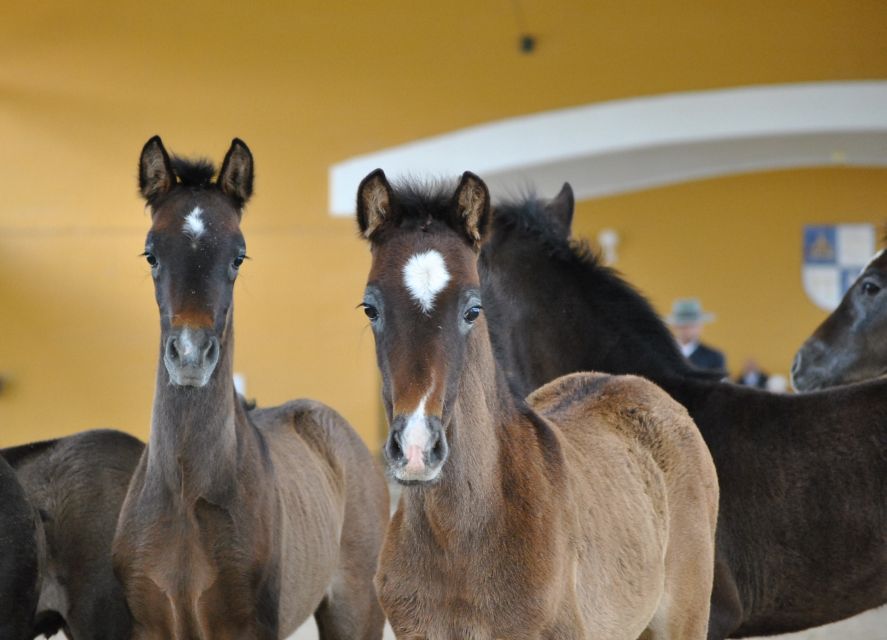
- Free-running horses: See colts, mares, stallions, and this year’s foals in a farm setting.
- About one hour of horse training: Watch a dressage exhibition in the main arena.
- Guides in three languages: Tours are offered in Spanish, English, and German.
- Good value at $22: The price includes the farm tour and show, but not transport, food, or riding.
- Plan your return: The remote setting makes a taxi or car arrangement important.
Why these Carthusian horses matter
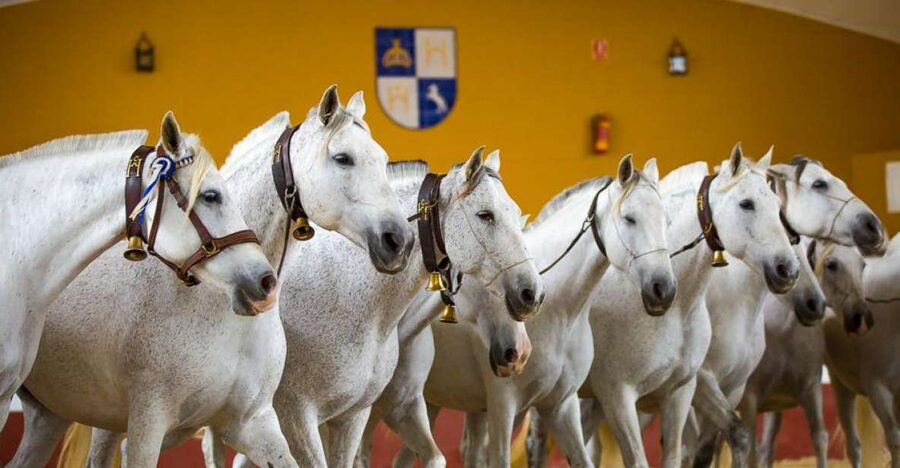
The Yeguada de la Cartuja farm, also known as Hierro del Bocado, is devoted to the Carthusian, or Cartujano, line of Andalusian horse. This is not simply a place where horses are kept for visitors. The farm’s purpose is to preserve and improve a very old Spanish bloodline.
The setting near the former Carthusian Monastery is part of the story. In the 15th century, the monastery became a major center for breeding Jerezano horses. The tradition continued through the centuries, and the farm now cares for more than 200 thoroughbred horses.
I find that context useful because it changes the way you watch the show. You are not just seeing elegant animals perform a few tricks. You are seeing the public face of a long breeding and training program, one that places value on bloodline, movement, temperament, and careful care.
The farm’s location also makes sense. Fuente del Suero has the climate and fertile ground needed for raising horses. You see the practical side of the operation during the tour, especially when the guide explains the breeding process and the relationship between mares and foals.
More Horse Riding Tours in Spain:
- Jerez de la Frontera: How the Andalusian Horses Dance
★ 4.6 · 6,168 reviews - Cordoba: Equestrian Show General Entry
★ 4.5 · 2,333 reviews - El Salobre: Horse Riding Adventure with Transfer Options
★ 4.5 · 2,034 reviews
Arriving at Fuente del Suero
Your meeting point is the Yeguada Cartuja ticket office at Finca Fuente del Suero. There is plenty of parking, so driving is the simplest option if you have a car.
If you are coming from Jerez without your own vehicle, plan this part carefully. A taxi can take roughly 40 minutes from some nearby starting points, and the fare can become much higher than the ticket. One useful approach is to arrange for the driver to wait or return at a set time. You do not want to finish the show in the countryside and then start searching for a ride.
The farm can also be difficult for navigation systems. A few visitors have been sent toward the Jerez riding school or even toward an unsuitable motorway stopping point. Use the exact farm address and allow extra time. Arriving late may mean joining another language group or missing the start.
At the ticket office, you collect your admission and receive information about your tour group. Show seating may be assigned, so check the seat number before heading into the arena. A past seating problem placed some people in a side section with a weaker view while central seats were still open. You may not be able to change places once the performance begins.
The guided farm tour
The first part lasts about an hour and takes you through the stud farm. Your guide explains the Carthusian lineage, the purpose of the breeding program, and how the horses are handled at different stages of life.
The best guides make this more than a list of dates and horse terms. André, Caroline, and Linda have each been praised for keeping the group involved, answering questions, and explaining the breeding process in plain language. Caroline, in particular, has explained the mother and colt relationship as well as the early stages of raising young horses.
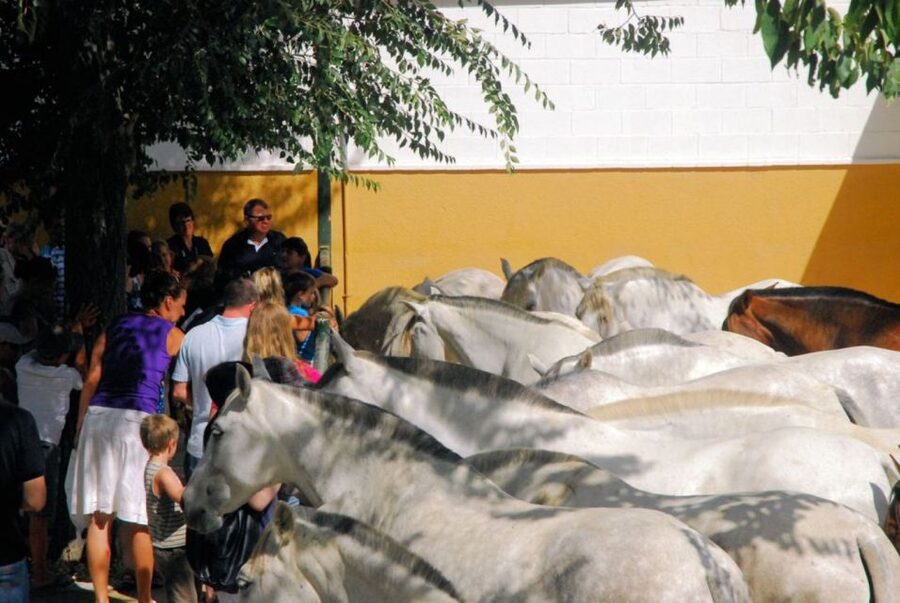
You will see free-running colts and mares, along with stallions. That matters because the horses look different when they are not being ridden or presented in an arena. You get a sense of their size, energy, and social behavior. The sight of a group moving freely can be more revealing than a close-up look at a groomed horse in a stall.
The current foals are another major draw. They give the tour a changing, seasonal quality. If you visit during the right period, you may see young horses beside their mothers before they become part of the formal training system.
The tour is not only for serious riders. I would recommend it to anyone interested in Spanish history, animal care, or traditional rural work. Still, the experience has a steady pace and a fair amount of explanation. One hour may feel long for a young child with no interest in horses, even though the farm is generally suitable for families.
Seeing how the horses are cared for
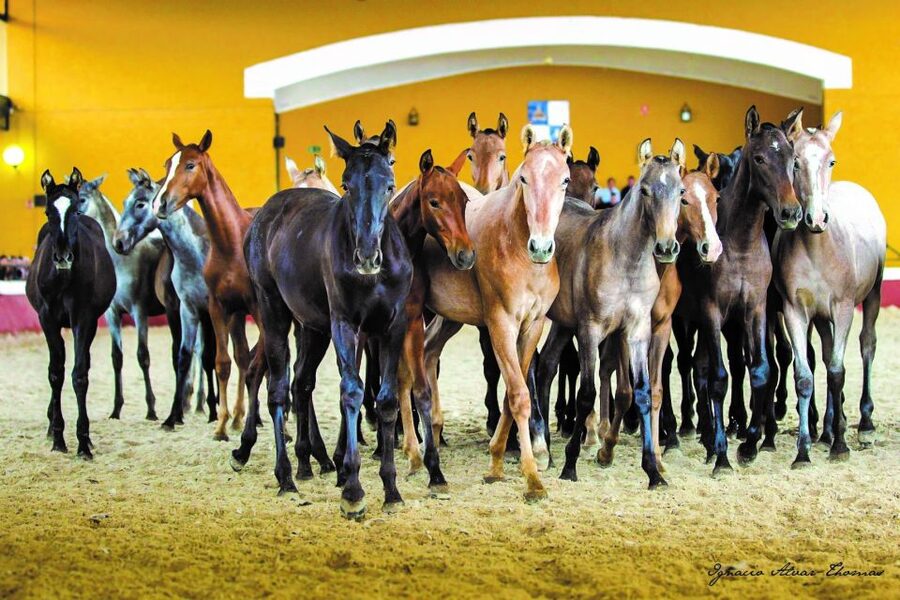
The strongest part of the visit is the sense that the horses are treated as valuable animals, not stage props. You see them in the paddocks, around the farm, and in relation to their handlers.
That does not mean the visit gives you a full veterinary or daily-care tour. The supplied details focus on breeding, the horses’ life stages, and their training. But the guide’s explanations help you understand why each group is kept and handled differently.
I especially like the chance to ask questions. Several guides have continued explaining the horses even after the formal arena presentation ended. That extra conversation can be useful if you want to know more about foal development, training methods, or the history of the breed.
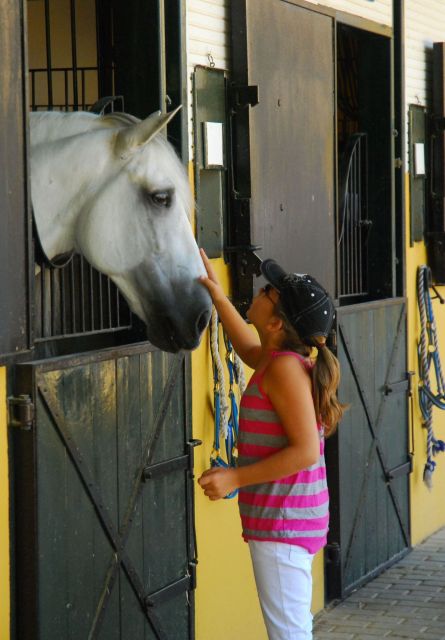
Some visitors have been able to stroke and interact with the horses during the visit. Treat that as a possibility rather than a promise, since access can depend on the group, the animals, and the farm’s rules on the day.
Wear shoes that can handle walking around a working rural property. Comfortable clothing is also sensible. The farm experience is casual, but it is not the place for delicate footwear or a dressed-up city outfit.
Same saddle, a completely different route:
- Mallorca: Horseback Riding Experience with Food Options
★ 4.6 · 1,424 reviews - Jerez de la Frontera: Andalusian Horse Dance and Museums
★ 4.7 · 1,289 reviews - Jerez: Royal Andalusian School of Equestrian Art Admission
★ 4.6 · 882 reviews - Tenerife: Horseback Ride with Instructor
★ 4.4 · 836 reviews
The one-hour dressage exhibition
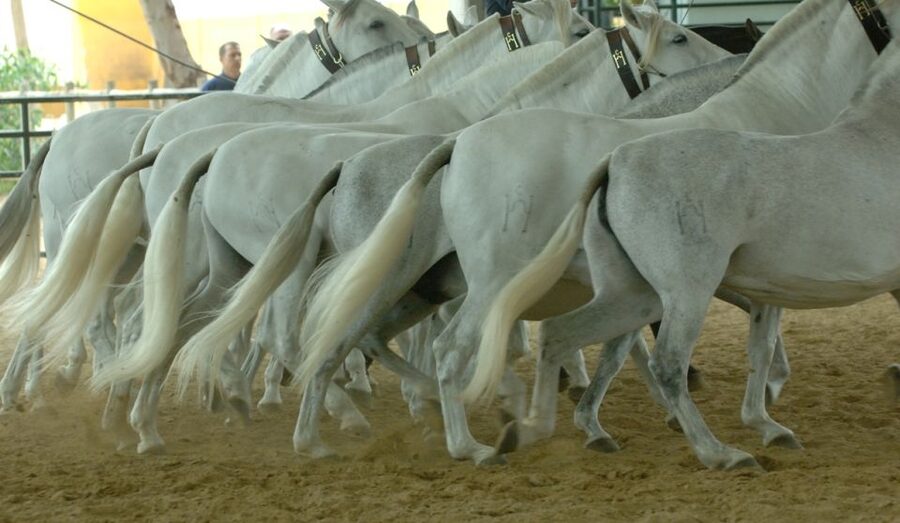
After the farm tour, you move to the main arena for the show. The exhibition lasts about an hour, and this is where the horses’ training becomes clear.
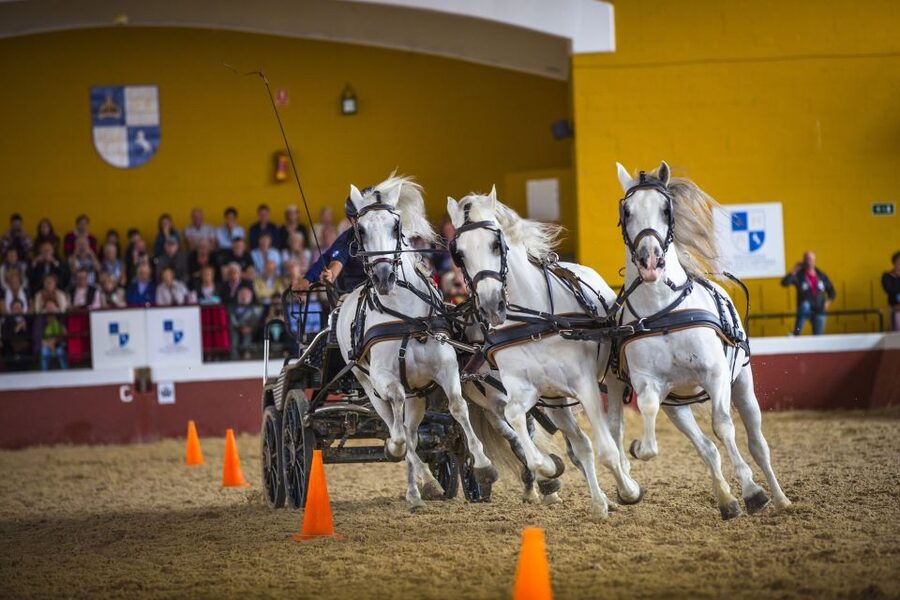
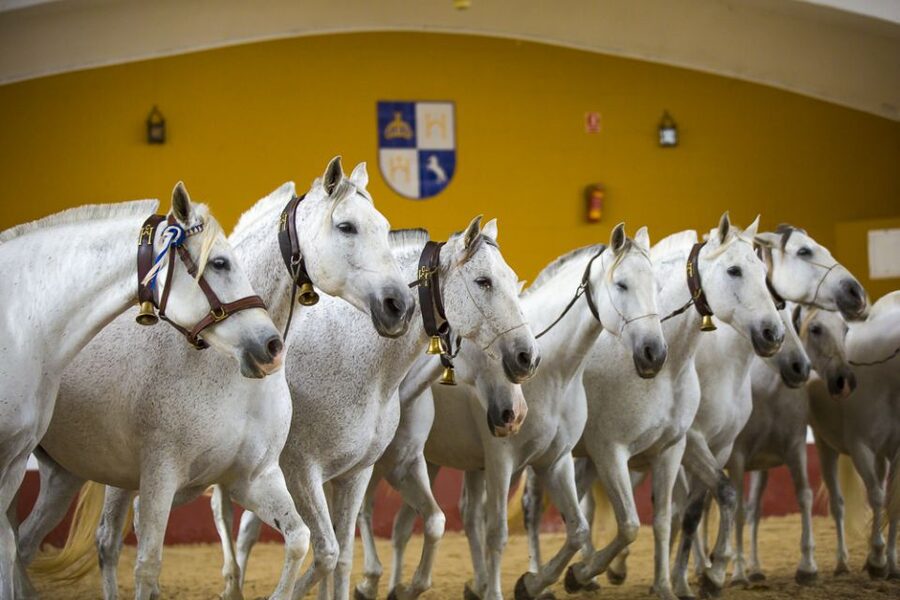
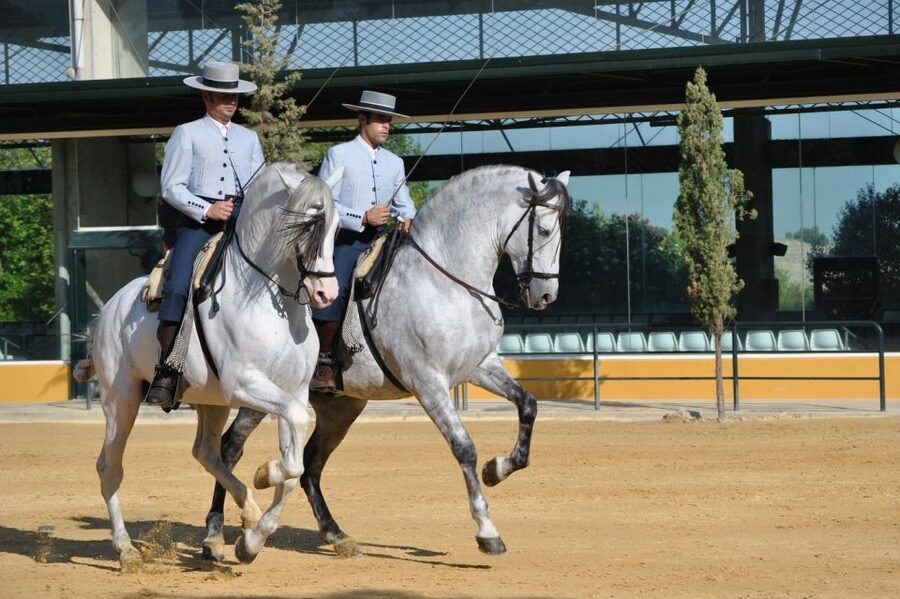
You will see the animals respond to their riders and handlers with controlled steps, changes of pace, and formal movements. The show is built around grace and precision rather than speed alone. The Carthusian horse’s power is easy to notice, but the quieter moments are just as impressive: a measured turn, a clean transition, or the calm focus of a horse working with its rider.
The entrance of several horses into the arena can be especially striking. It gives you a better sense of the breed’s presence than a single horse standing still.
The performance also provides a welcome break from walking outdoors, especially in warm Andalusian weather. Seating is provided, but your assigned position matters. If you want the clearest view, check your seat early and ask staff about the layout before the show begins.
Do not expect a flamenco performance with horses added as decoration. The focus here is dressage, horsemanship, and the breed itself. That makes the show a good match for people who want to understand training, not just take photographs.
Video recording is not allowed. Keep your phone away during the performance and enjoy the movement directly. Photography rules may be explained on site, so follow the staff’s instructions.
Is $22 good value?
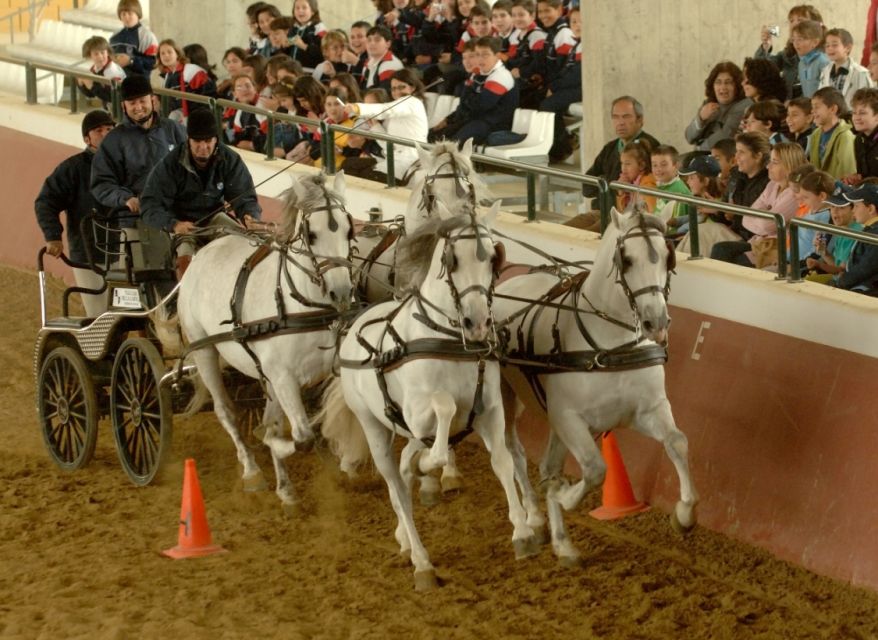
At $22 per person, this is one of the better-value cultural outings around Jerez. The ticket covers a guided farm tour and a full arena exhibition, with a total duration of about two and a half hours.
The value is strongest when you count the two different experiences. First, you see the breeding farm and horses in a more natural setting. Then you watch trained animals perform. Many horse shows give you only the arena portion, while many farm visits do not offer a polished presentation afterward.
The cost looks less attractive if you must add a long taxi ride in both directions. A taxi from Jerez has cost some visitors about $50 each way for the full outing, depending on the starting point and arrangement. That can turn a low-cost activity into a much larger half-day expense.
For that reason, I would compare the total cost, not just the admission price. If you are already renting a car, the ticket is an easy choice. If you are staying in Jerez and relying on taxis, ask about the round-trip fare before booking.
Food and drink are not included. The experience is short enough that this is not a serious problem, but you should eat beforehand or plan a meal elsewhere. Horse riding is also not included, so do not book this expecting a riding lesson or trail ride.
Language, access, and group comfort
The tour is offered in Spanish, English, and German. Check your selected language at booking and listen for your group when the tour begins. On a previous visit, a group was missed at the start because people did not hear the English call and had to join another language group.
The guides generally make the material accessible to newcomers. You do not need to know dressage or horse breeding in advance. A clear guide can explain the difference between a mare, colt, stallion, and foal without burying you in technical language.
The farm is wheelchair accessible, and staff have been welcoming and helpful to wheelchair users. Still, the property includes outdoor areas, so it is sensible to ask at the ticket office about the route on your specific day.
The experience can work for families, but I would judge your children honestly. Older children who enjoy animals should have plenty to watch. Very young children may lose patience during the history and breeding explanations, even though the show itself is visual and engaging.
What to bring and what to expect
Bring comfortable shoes, light practical clothing, and a face covering if current farm rules require one. Pets are not allowed, although assistance dogs are permitted.
You do not need riding equipment because there is no riding. You also do not need a meal for the two-and-a-half-hour schedule, though water and a snack may be sensible in warm weather if permitted by the venue.
A gift shop is available at the end. It can become crowded, with only one person serving at busy times. If you want clothing or souvenirs and have a taxi, bus, or cruise transfer waiting, leave time for the shop or accept that you may need to go without your purchase.
The order of events can vary, so follow staff instructions rather than assuming the show begins immediately after the farm walk. The important structure remains the same: guided visit, horses at different life stages, then dressage in the main arena.
Who should book this experience?
I would book this if you have any real interest in horses, Andalusian culture, or traditional Spanish breeding. You do not need to be an expert. Even a casual interest is enough because the combination of free-running horses and formal dressage gives you two very different ways to see the breed.
It is also a good choice for a family with older children, a couple looking for something beyond city sightseeing, or anyone spending several days around Jerez and Cádiz. The outing has enough history to feel meaningful, but the animals keep it from becoming a dry museum visit.
I would think twice if your schedule is tight, you dislike organized shows, or you have no practical way to reach the farm. The rural location is part of the appeal, but it is also the biggest nuisance. You should not book first and solve the return journey later.
Should you book the Yeguada de la Cartuja tour?
Yes, if you can manage the transport. The $22 admission gives you a well-balanced visit: a guided look at a historic breeding farm, close views of mares and foals, free-running horses, and an hour of polished dressage.
The strongest reason to go is the range of the experience. You see the Carthusian horse as a living breed, a farm animal, and a trained performer. Arrange your taxi or driving route in advance, arrive early enough to find the ticket office, and check your arena seat before the show starts. If those details are under control, this is an unusually good-value stop near Jerez.
FAQ
How long does the Yeguada de la Cartuja experience last?
The scheduled duration is 2.5 hours. It includes a guided farm tour followed by an exhibition in the main arena.
What does the $22 ticket include?
The price includes the guided tour and the horse exhibition. Food, drinks, transport to the farm, and horse riding are not included.
Is the tour available in English?
Yes. Live guides are available in Spanish, English, and German.
How do I reach the farm?
The meeting point is the Yeguada Cartuja ticket office at Finca Fuente del Suero. There is plenty of parking, but transport to the farm is not included. A car or prearranged taxi is the most practical option.
Can I bring a pet?
Pets are not allowed. Assistance dogs are permitted.
Can wheelchair users take the tour?
Yes, the experience is listed as wheelchair accessible, and staff have assisted wheelchair users during visits.
Just added around Spain
- Horseback Riding by the beach or mountain in Tarifa, Spain – 1 to 2 hrs★ 5.0 · 3 reviews
- Horseback riding through the Calblanque Natural Park★ 3.5 · 12 reviews
- Horseback riding route through Doñana + visit to El Rocio-Private tour★ 4.0 · 2 reviews
- Private Horse Carriage Ride and Walking Tour of Seville★ 4.5 · 4 reviews
- Seville Palaces: Dueñas Palace and Pilate House Tour★ 5.0 · 28 reviews
- Jerez and Cadiz with Horse Ballet and Sherry Tasting from Seville★ 4.5 · 45 reviews
- Horseback riding tour of Doñana and visit of El Rocio★ 4.5 · 4 reviews
- Donana National Park Horse or 4×4 Riding Day Trip★ 5.0 · 4 reviews
Spain Horse Riding Tours, compared.
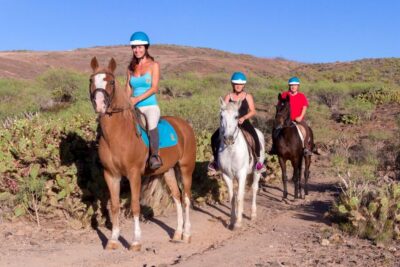
El Salobre: Horse Riding Adventure with Transfer Options
Read our review →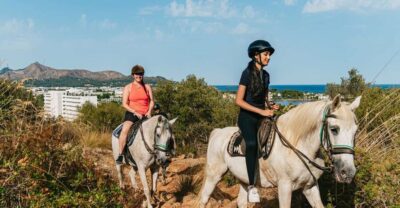
Horseback Riding Experience with Food Options
Read our review →
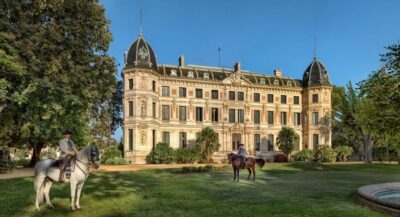
Royal Andalusian School of Equestrian Art Admission
Read our review →
Montserrat Monastery & Horse Riding Experience from Barcelona
Read our review →Browse the lists this tour appears in