
Review · SPAIN HORSE RIDING TOURS
Visita Entre Toros y Caballos
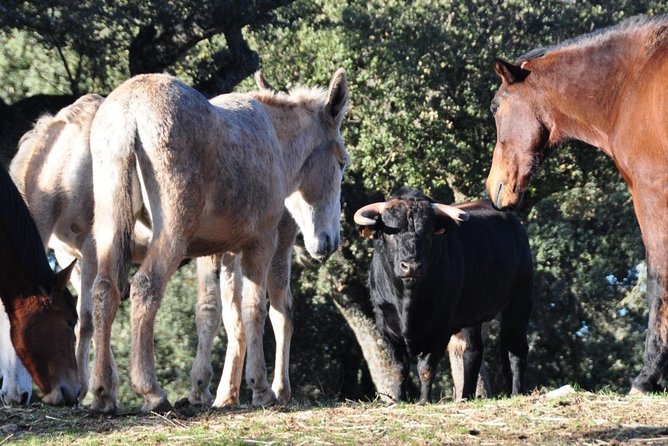
At Reservatauro Ronda, fighting bulls and Andalusian horses roam a working ranch rather than sitting behind small zoo fences. You’ll walk through the stables and bullfighting ring, then ride through oak country to see the animals where they are bred, raised, and selected.
I like the direct look at ranch life, especially the chance to handle a capote and muleta in the practice ring. I also like the setting: a broad Mediterranean pasture inside a UNESCO Biosphere Reserve, with mountain views from the terrace.
The main thing to check is the English guiding. English is offered, but one group found itself with an audio guide while a French-speaking group received live commentary. Also, the advertised visit is about 1 hour 10 minutes, while some visits lasted closer to two and a half hours.
Key things to know before visiting Reservatauro
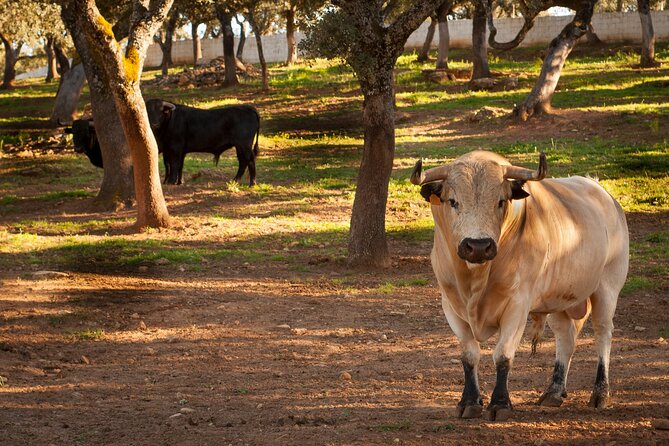
- See bulls at several stages of development: The ranch shows how cattle are bred, raised, assessed, and prepared for different roles.
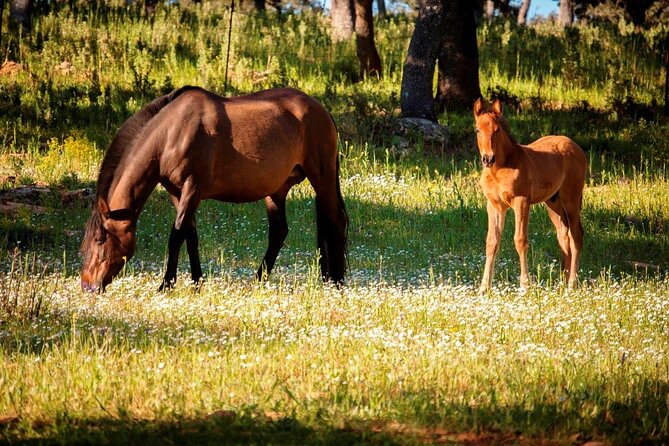
- Meet Andalusian horses in the stables: The horses are a major part of the visit, not a quick extra.
- Enter the testing and practice rings: You’ll see where cattle are assessed and where a bullfighter trains.
- Ride through a large oak pasture: The farm covers roughly 500 acres, with bulls, cows, and horses spread across different areas.
- Try the traditional capote and muleta: The guide may invite you to practice a pass using the pink and red capes.
- Expect a small group: The maximum is 15 people, which allows room for questions and a more personal visit.
Why this ranch visit feels different from a bullring tour
Many bullfighting-related sights focus on the spectacle, the costumes, or the architecture of an arena. Reservatauro gives you the working side of the subject. Here, the bullring is part of a farm operation, and the animals are the central point of the visit.
That distinction matters. You are not simply looking at an empty arena and hearing a few facts about bullfighting. You see the places where cattle are handled, assessed, and trained. You also learn how horses fit into ranch life and the wider Andalusian tradition.
The ranch sits in the countryside near Ronda, among old holm oaks and open pasture. The setting helps explain why this kind of breeding requires space. Bulls and horses are not displayed in a tight enclosure. They are spread across a large property, so the visit gives you a sense of scale as well as a closer look at individual animals.
The subject will not suit everyone. Bullfighting is tied to a difficult ethical debate, and the experience presents the ranch from within that tradition. If you want a strongly critical discussion of bullfighting, this is probably not the right choice. If you want to understand how a traditional Andalusian ranch operates, it offers useful access.
Other rides people book around Spain:
- Jerez de la Frontera: How the Andalusian Horses Dance
★ 4.6 · 6,168 reviews - Cordoba: Equestrian Show General Entry
★ 4.5 · 2,333 reviews - El Salobre: Horse Riding Adventure with Transfer Options
★ 4.5 · 2,034 reviews
Starting at the buildings, stables, and arena
The visit begins at Reservatauro Ronda at noon. The first part usually focuses on the ranch buildings, the stables, the pens, and the bullrings.
The stables are one of the most appealing parts for many people. You get close to the Andalusian horses and learn about their place on the property. The horses are not treated as background decoration. They are part of the working system, and the guides explain how the animals are cared for and used.
You then see the testing bullring. This is where the cattle are assessed and selected. It is an important stop because it shows that the bulls you see in the fields are part of a managed breeding program, not simply animals grazing at random.
The visit also includes the pens used for direct work with the animals. Your access and proximity will depend on the day’s arrangements, but the purpose is clear: you are seeing the practical areas where the ranch staff handle cattle.
Guides have included Desiree, Frida, Lara, Paloma, Paqui, and Isabelle on different dates. The assigned guide changes, but the strongest part of the guiding is the personal explanation of the ranch, its family operation, and the way cattle are raised. Several guides have also worked in more than one language.
Practicing with the capote and muleta
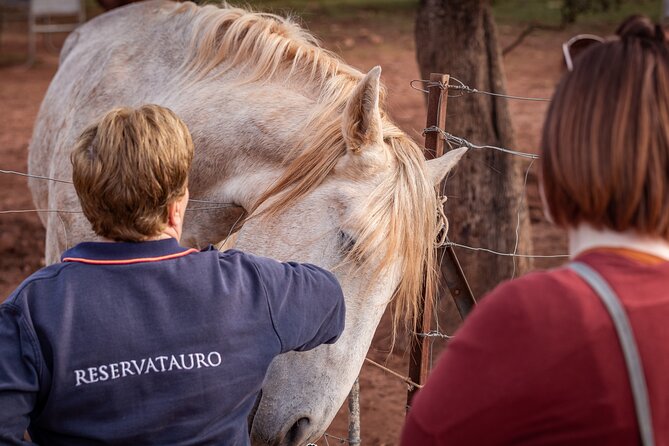
At the practice ring, you get a short introduction to the tools used by a bullfighter. The capote is the larger pink cape, while the muleta is the smaller red cloth used in the later stages of a bullfight.
The guide may invite you to try a pass or two. This is a simple hands-on moment, but it helps you understand the movements better than a display behind glass would. You can see how much control, timing, and body position are involved.
Do not expect a full bullfighting demonstration. There is no stated promise of a live performance, and one disappointed visitor specifically wanted a video or demonstration that was not part of the visit. The value here is the explanation and the chance to handle the tools yourself.
For families, this can be the most memorable section. Children can take part without needing much background, and the activity gives the visit a little energy after the more technical talk about breeding and ranch management.
Riding through the oak pasture
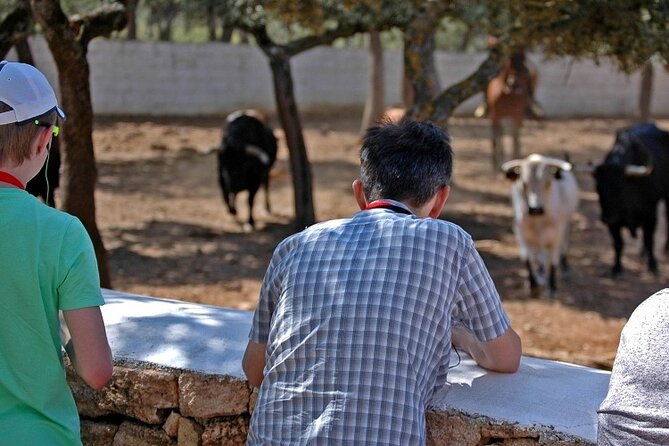
The next part takes you into the wider property. A truck towing a passenger trailer is used for the ride around the ranch. It is not a polished sightseeing train, so keep your expectations practical. It is farm transport that lets you cover ground on a property of roughly 500 acres.
The route passes through centuries-old holm oaks and different pasture areas. The ranch lies within a UNESCO Biosphere Reserve, and the natural setting is one of the strongest reasons to come. You see open land, mature trees, and animals living with plenty of space around them.
The guide points out which animals occupy each section and explains their purpose. You may see breeding stock, young cattle, horses, and bulls at different stages of development. The exact animals visible on your day will depend on where they are grazing.
This part can be absorbing when you are interested in farming, animal breeding, or rural Spain. It can feel slower if you expect a constant stream of action. You might spend stretches simply looking across the pasture while the guide explains what you are seeing.
Language makes a real difference here. One English-speaking group received an audio guide and printed reading material while a French-speaking group had live commentary. The English information was still available, but hearing another language during the ride made the experience less engaging. If live English explanation matters to you, confirm the arrangement before booking.
Same saddle, a completely different route:
- Mallorca: Horseback Riding Experience with Food Options
★ 4.6 · 1,424 reviews - Jerez de la Frontera: Andalusian Horse Dance and Museums
★ 4.7 · 1,289 reviews - Jerez: Yeguada de la Cartuja Carthusian Horses Tour
★ 4.8 · 970 reviews - Jerez: Royal Andalusian School of Equestrian Art Admission
★ 4.6 · 882 reviews
What you learn about bulls, horses, and selection
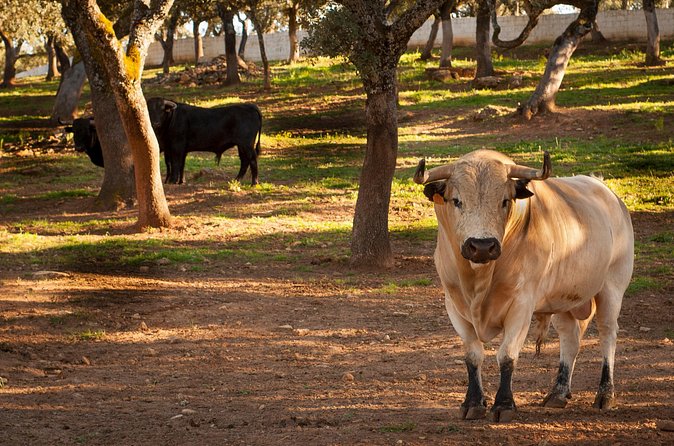
The ranch explains the animals through their stages of development. That gives the visit more substance than simply pointing out a large bull in a field.
You learn that breeding and selection shape the animals long before any appearance in an arena. The testing ring, pens, pasture divisions, and staff routines all form part of that process. The guide also explains how cattle are prepared and how their behavior and physical qualities affect their role.
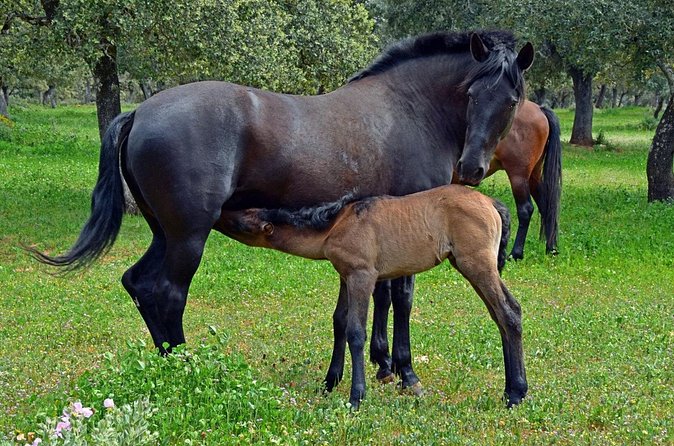
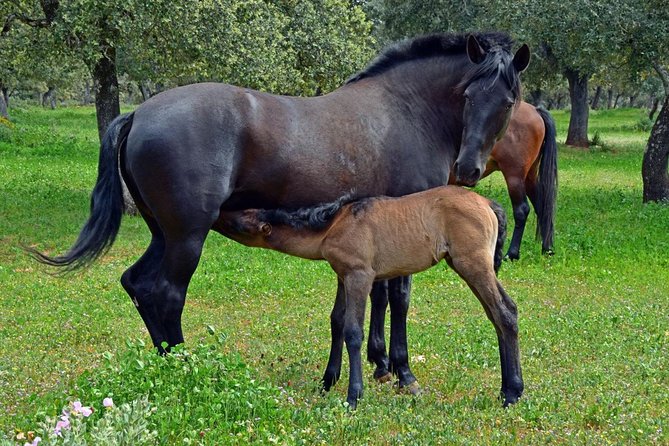
The horses offer a useful counterpoint. Their presence shows how a traditional Andalusian ranch depends on more than cattle alone. You see how the horses are housed and how they fit into the daily work of the property.
The emphasis is on care and ranch practice. Guides describe the animals as well cared for, and the facilities are presented as a family operation with close attention to the livestock. If you are curious about agricultural life, you will get more from this visit than from a standard city attraction.
At the same time, keep the subject in perspective. The tour explains bullfighting and breeding from the ranch’s point of view. You should come ready to listen, ask questions, and form your own opinion about the tradition.
The terrace and the pace of the visit
After the more active sections, the mountain-view terrace gives you a place to pause. The terrace is not listed as a meal or drinks stop, so do not book this expecting refreshments to be included. It is mainly a pleasant place to sit and take in the setting.
The official duration is about 1 hour 10 minutes. In practice, the total visit can run longer. One detailed account described a visit lasting nearly two and a half hours, including the building tour, arena, stables, and ride across the property.
That variation is useful to know when planning your day near Ronda. Allow extra time rather than scheduling a tight connection immediately afterward. The pace depends on the guide, the questions in your group, the route around the property, and how long the animal explanations take.
The maximum group size is 15 people. That is small enough for questions, though your experience may still depend on language grouping and the number of people booked for the same start time.
Is $36.16 a fair price?
At $36.16 per person, this is not the cheapest way to see rural scenery near Ronda. You are paying for access to a private working ranch, guided explanations, the facilities, the animal areas, the practice ring, and the ride through the property.
The value is strongest if you care about horses, cattle, farming, or Spanish traditions. The ranch gives you access to working areas that you would not see from a public road, and the guide adds context to what could otherwise look like a few animals in a field.
The value is weaker if you mainly want a short photo stop or a dramatic bullfighting show. There is no stated performance, complimentary drink, or major spectacle. One dissatisfied visitor felt the price was high for an empty arena, animals in fields, and no demonstration.
I would judge the cost by your interests. For someone who wants to understand how a bull ranch functions, the price is reasonable. For someone who wants action every minute, it may feel expensive.
Who will enjoy this experience most?
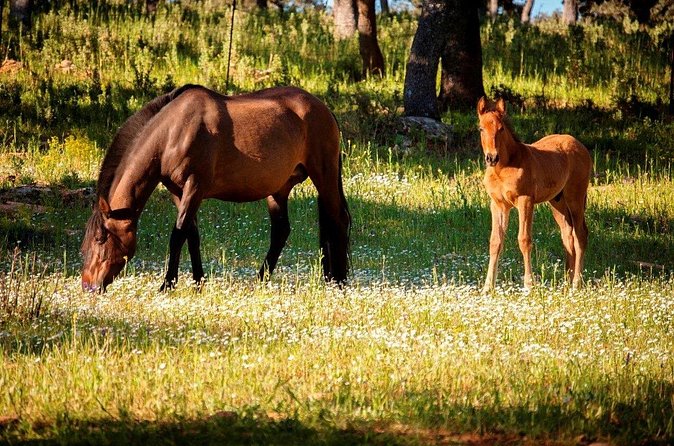
I would recommend Reservatauro to families, horse lovers, people interested in farming, and visitors who want a rural counterpoint to Ronda’s historic center. Children can enjoy the animals and the cape practice, while adults can focus on breeding, land use, and the cultural background.
It also suits visitors who want a smaller group. With no more than 15 people, you have a better chance to ask about the animals and the ranch’s daily work.
You should think twice if you dislike bullfighting or want the subject treated mainly through animal-welfare criticism. The ranch presents a traditional breeding culture and the care given to its animals, but it is not designed as an argument against the practice.
Language-sensitive visitors should also ask about the guide format. English is offered, but live English commentary may not be guaranteed on every departure. An audio guide and printed material can fill the gap, but they do not provide the same feel as being able to ask questions in real time.
Booking, timing, and cancellation details
The meeting time is 12:00 pm, and confirmation is normally sent at booking. If you book within four hours of departure, confirmation comes as soon as possible and depends on availability.
At least two people are needed for a booking. The experience allows service animals, and most people can take part. Free cancellation is available if you cancel at least 24 hours before the local start time. Cancellations or changes made inside that period are not refunded or accepted.
The experience is often booked around 13 days ahead, so I would not leave it until the last moment if your schedule is fixed. Since the visit can last much longer than the stated 70 minutes, leave open time afterward.
Should you book Reservatauro Ronda?
Book it if you want a close look at a working Andalusian ranch, especially if horses, cattle, and rural traditions interest you. The combination of stables, testing ring, practice ring, open pasture, and mountain views gives the visit more range than a basic arena tour.
Before paying, make sure you are comfortable with the bullfighting subject and confirm how English guidance will work on your date. If you want a live demonstration or a formal show, choose something else. If you want a thoughtful, hands-on look at the animals and the people who raise them, Reservatauro is a worthwhile addition to a Ronda day.
FAQ
Where does the experience take place?
It takes place at Reservatauro Ronda, a working ranch near Ronda in Malaga, Spain.
What time does the visit start?
The stated start time is 12:00 pm.
How long does the visit last?
The listed duration is approximately 1 hour 10 minutes. Some visits have lasted close to two and a half hours, so allow extra time.
Is the experience offered in English?
English is offered, but the format can vary. Some departures may use a live English-speaking guide, while others may provide an audio guide and printed material.
What animals will I see?
You can see fighting bulls, cows, and Andalusian horses. The animals are shown at different stages of breeding and development.
Will I visit a bullring?
Yes. The visit includes the testing bullring where cattle selection takes place and the practice ring where a bullfighter trains.
Can I try the bullfighting capes?
The visit includes an opportunity to handle the capote and muleta and practice a pass or two in the practice ring.
How many people can join the tour?
The maximum group size is 15 people. A minimum of two people is required per booking.
Can I cancel for a refund?
Yes. You can receive a full refund if you cancel at least 24 hours before the local start time. Cancellations or changes made less than 24 hours ahead are not refunded.
Just added around Spain
- Horseback Riding by the beach or mountain in Tarifa, Spain – 1 to 2 hrs★ 5.0 · 3 reviews
- Horseback riding through the Calblanque Natural Park★ 3.5 · 12 reviews
- Horseback riding route through Doñana + visit to El Rocio-Private tour★ 4.0 · 2 reviews
- Private Horse Carriage Ride and Walking Tour of Seville★ 4.5 · 4 reviews
- Seville Palaces: Dueñas Palace and Pilate House Tour★ 5.0 · 28 reviews
- Jerez and Cadiz with Horse Ballet and Sherry Tasting from Seville★ 4.5 · 45 reviews
- Horseback riding tour of Doñana and visit of El Rocio★ 4.5 · 4 reviews
- Donana National Park Horse or 4×4 Riding Day Trip★ 5.0 · 4 reviews
Spain Horse Riding Tours, compared.
El Salobre: Horse Riding Adventure with Transfer Options
Read our review →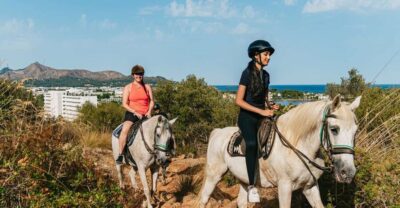
Horseback Riding Experience with Food Options
Read our review →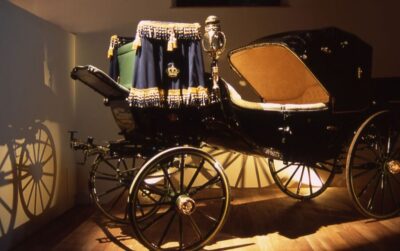
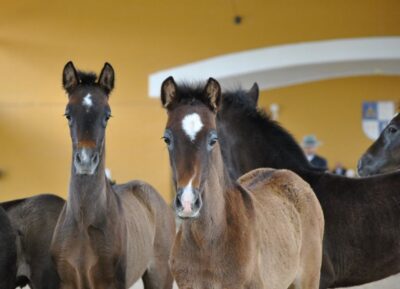
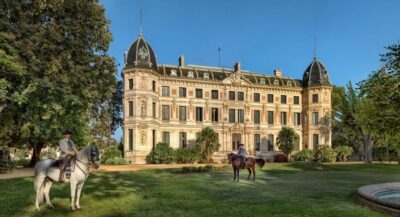
Royal Andalusian School of Equestrian Art Admission
Read our review →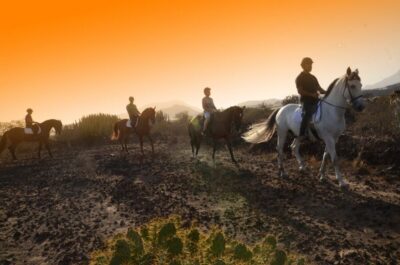
Browse the lists this tour appears in