
Review · TOKYO HORSE RIDING TOURS
Tokyo: Sumo Morning Practice Viewing Tour at a Real Stable
Tokyo: Sumo Morning Practice Viewing Tour at a Real Stable
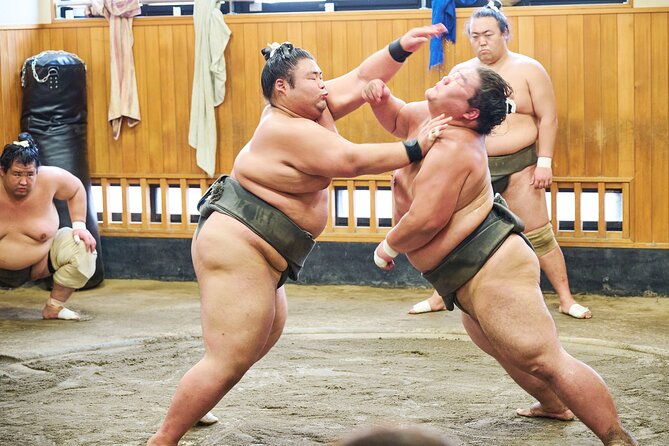
The best part of this two-hour sumo tour is its setting. You are not watching a staged demonstration or a match made for tourists. You sit close to an active training ring while wrestlers slap, shove, stretch, and repeat the same demanding movements with total focus. I like the chance to see sumo as daily work, and I like that guides such as Mao, Yuki, Kawa, and Tomo explain what you are seeing without drowning you in facts.
I also like the short introduction before you enter the stable. It gives the rituals and rules a clear purpose, so the ceremony, footwork, and ring etiquette make more sense. The main drawback is strict timing: arrive late and you may not get in, and once practice begins, you must remain until the end, stay seated, keep quiet, and avoid moving around.
Key points
- Watch real morning practice: See wrestlers train at close range in a working stable, not at a staged show.
- Learn the meaning behind the movements: Your English-speaking guide explains the rules, Shinto rituals, rankings, and tournament goals.
- Sit beside the ring: You can hear the force of the training and see the wrestlers’ speed, balance, and effort from only a short distance.
- Meet wrestlers after practice: There may be a chance to speak with them outside training hours and take photographs when permitted.
- Plan for strict etiquette: Wear modest clothing, silence your phone, use the restroom first, and do not leave before the session ends.
- Allow extra travel time: The meeting point is Kiyosumi-Shirakawa Station, and the group may take a train to the stable.
Why a real stable matters more than a sumo show
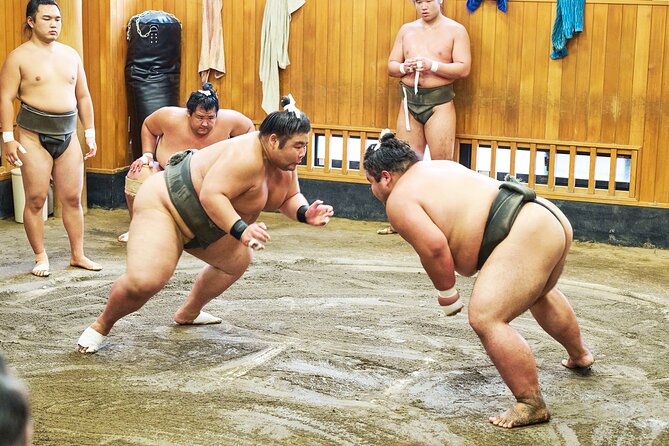
Sumo is easy to misunderstand if you only see the final match. The bout may last a few seconds, but the work behind it begins early in the morning and demands years of discipline. At this stable, you see the training that creates the strength, balance, timing, and toughness needed inside the ring.
The stable is also where wrestlers live and eat, not simply a gym that opens for sightseeing. That changes the mood. You are entering a workplace with its own rules, and the wrestlers are there to train rather than perform for you.
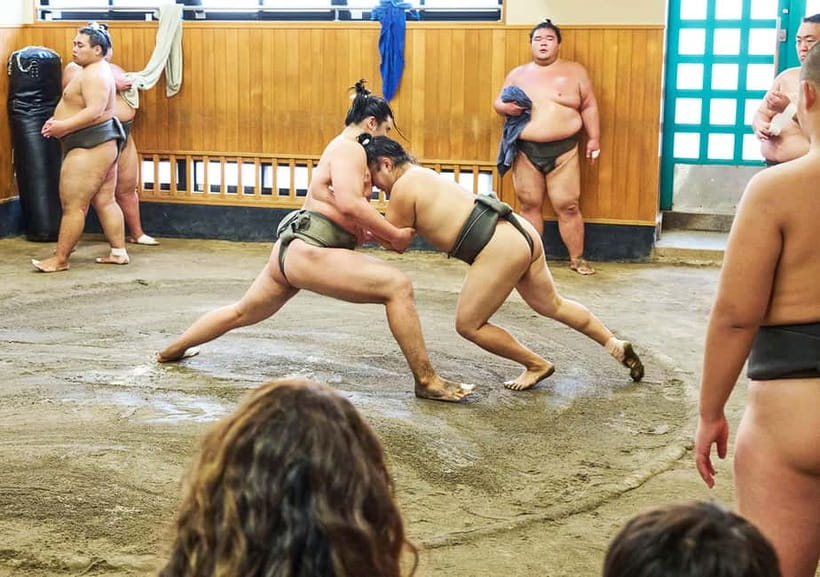
That is why the quiet matters. The wrestlers generally carry on as if you are not there. Their focus gives the session its force. You see bodies collide, hear the slap of hands and flesh, and notice how much control is hidden beneath the apparent violence.
This access is unusual. Sumo stables are normally closed to the public and were once mainly available to sponsors. Even for someone living in Japan, a visit is not an everyday outing. For a first-time visitor to Tokyo, it offers a rare look at a part of Japanese life that is usually kept private.
More Sunrise and Morning Trips in the world:
- Cappadocia: Horseback Tour with Sunrise and Sunset Options
★ 4.9 · 1,755 reviews - Morning Horseback Ride with Breakfast from Las Vegas
★ 5.0 · 1,674 reviews - Cappadocia: Horse Riding Tour with Sunrise or Sunset Options
★ 4.8 · 1,377 reviews
Meeting at Kiyosumi-Shirakawa Station
The tour begins at Kiyosumi-Shirakawa Station, Exit A1. You can reach the station on the Toei Oedo Line or the Hanzomon Line. Look for a guide holding a sign marked Local Guide Stars.
Give yourself more time than the journey planner suggests. The station meeting point is clear, but the group may take a train to the stable after meeting. If you arrive late, entry may not be possible. One late arrival can also shorten the time available inside, since the practice follows the wrestlers’ schedule rather than the tour group’s preferred timetable.
I would aim to reach Exit A1 at least 30 minutes early. That gives you time to find the correct exit, locate the guide, and settle in before the group moves on. This is especially important in Tokyo, where a small mistake with a station exit can cost more time than expected.
The ending point may differ from the station meeting point, depending on the day’s arrangements. Do not schedule a tight appointment immediately afterward. The activity is advertised as two hours, but practice can finish a little earlier or later.
The short briefing that makes the practice easier to follow
Before entering the stable, your guide explains the basics of sumo. The briefing covers how matches are won, the main rules, the ceremonies, and the religious ideas tied to the sport.
A bout ends when one wrestler forces the other outside the ring or makes any part of the opponent’s body, apart from the soles of the feet, touch the ground. That simple rule hides a lot of strategy. A wrestler may win through force, balance, timing, or a quick change of direction.
The guide also gives meaning to the rituals. Sumo grew from Shinto beliefs, so the ring is more than a contest area. Movements such as stomping and other formal gestures are part of a tradition that treats the bout as a serious physical and spiritual act.
This introduction is one of the strongest parts of the tour. Without it, you might see only large athletes pushing and crashing into each other. With it, you can watch for technique, preparation, rank, and ritual. Guides Mao and Yuki have been praised for clear explanations, while Tomo is described as friendly and helpful without giving too much information at once.
Sitting beside the ring during morning practice
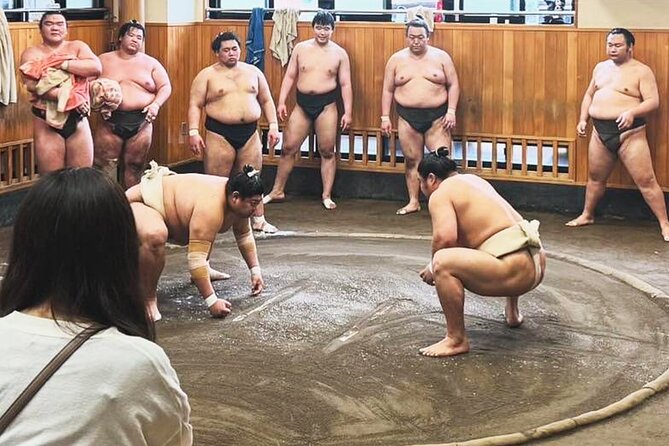
The group sits on the side of the ring, close enough to see and hear the training clearly. You do not get to wander from one position to another, so choose the right mindset before you enter. This is a quiet observation session, not an interactive sports class.
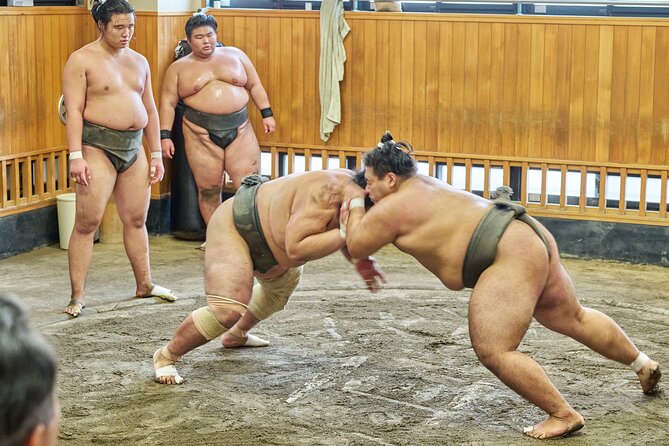
The wrestlers train with remarkable intensity. Morning practice can include repeated collisions, stretching, footwork, and bouts that show both speed and strength. The force is immediate, but so is the control. You may notice how quickly a wrestler moves despite his size, or how a small shift in balance can decide who gives ground.
The close distance is the point. From a television screen, sumo can look slow because the ring is small and the action is compact. From the edge of the ring, the speed is easier to understand. A short movement can carry a great deal of power.
You must remain quiet, keep your phone on silent, and avoid standing or moving during practice. Do not eat or drink inside, apart from water. Modest clothing is required. These are not fussy tourist rules. The stable is a place of work, and interruptions would interfere with the training.
Use the restroom before entering. You may need to stay until practice ends, usually around 9:00 to 10:00 in the morning. Once you leave the stable, re-entry is not possible.
Same saddle, a completely different route:
- Charleston’s Old South Carriage Historic Horse & Carriage Tour
★ 5.0 · 10,023 reviews - Jerez de la Frontera: How the Andalusian Horses Dance
★ 4.6 · 6,168 reviews - Punta Cana Zipline Adventure with Buggies and Horseback Riding
★ 5.0 · 5,001 reviews - Luquillo Beach Horse Ride from Carabalí Rainforest Adventure Park
★ 5.0 · 4,762 reviews
Seeing the sumo lifestyle, not just the matches
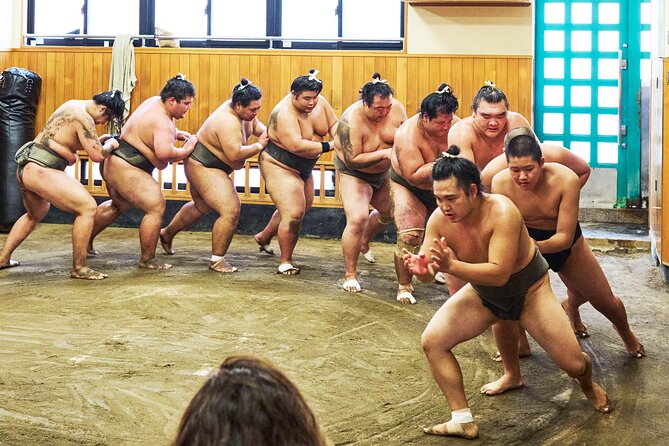
The stable offers a glimpse of the daily life behind professional sumo. These young wrestlers train for the chance to rise through the rankings, and the session shows the discipline that goal requires.
You may see wrestlers at different levels of experience working in the same space. The atmosphere is serious because the practice is part of their path toward official tournaments. Every drill has a purpose, even when it looks repetitive.
This is also a useful way to understand why sumo has such a strong place in Japanese culture. It combines sport, ceremony, physical skill, and religious tradition. You are not simply watching a wrestling match. You are seeing a system of rules and customs carried through daily practice.
The chance to see a high-ranking wrestler is not guaranteed, but one session included a yokozuna, the highest rank in sumo. That possibility adds excitement, though you should book this tour for the training itself rather than expect a particular wrestler to appear.
Meeting wrestlers after the session
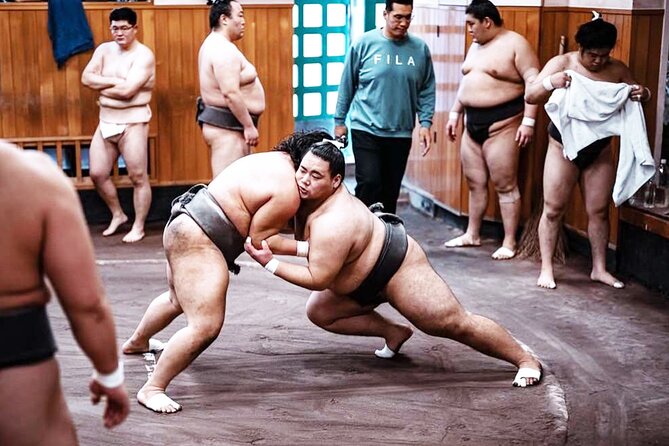
The tour includes an opportunity to speak with wrestlers outside training hours. Depending on the day’s schedule, you may also be able to take photographs with them.
This part is less predictable than the practice. The stable remains a workplace, and the wrestlers’ duties come first. Treat any conversation or photograph as a privilege, not a promised performance. Your guide can help explain what is appropriate.
The chance to ask a few questions gives the session a human side. You have watched the athletes work in silence, so a brief conversation can help connect the physical training with the lives of the people doing it. Keep your questions short and follow the stable’s rules.
The guide is important here. Mao has been praised for patience and clear English, Yuki for friendly communication, and Kawa for explaining both sumo and everyday life in Japan. The guide’s role is not just translation. It is also to help you read the room and avoid treating the stable like a photo set.
How the $98 price measures up
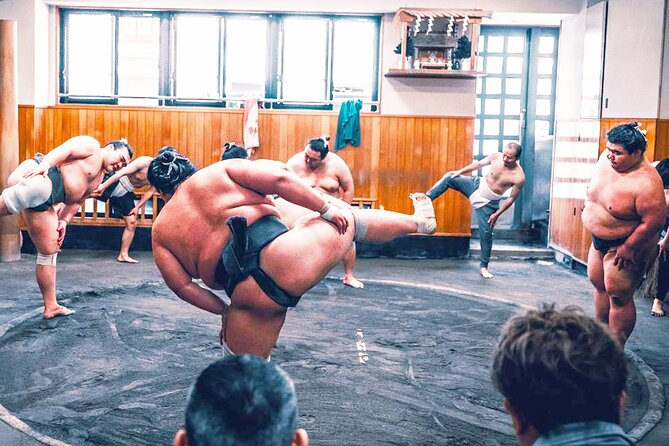
At $98 per person, this is not a cheap morning activity. The value comes from access rather than length. You are paying for entry to a place that is normally closed, an English-speaking guide, an explanation of rules and rituals, and a close view of a genuine training session.
A public sumo tournament gives you a larger event, formal matches, and the excitement of competition. It may also require more planning around dates and tickets. This stable visit offers something different: a smaller, more personal look at preparation, with the wrestlers training only a short distance away.
The tour is strongest for someone who wants cultural context and rare access. It is less suitable if you want a relaxed sightseeing stop where you can arrive whenever you like, walk around freely, or leave early. The strict rules are part of the bargain.
The group size can be modest. One session had 11 people, while another group had 14. That is small enough for the guide’s explanations to feel useful, although the experience still depends on everyone arriving on time and following the rules.
Who should book this sumo tour
I would choose this activity if you are interested in Japanese customs, traditional sports, or the daily work behind a public spectacle. It suits adults and older children who can sit quietly for the whole session. The minimum age is 11.
It is also a good fit if you have already seen Tokyo’s famous sights and want something less polished and more local. You do not need to understand sumo in advance. The briefing gives you enough background to follow the action.
You may want to skip it if you dislike sitting still, silence, early morning schedules, or strict dress and phone rules. It is not a casual stop between other attractions. You need to give the stable your full attention for the scheduled period.
Photography also comes second to the training. You may have a chance to take pictures after practice, but the rules during practice are designed to keep the room quiet and still. Bring your curiosity first and your camera second.
Practical details before you go
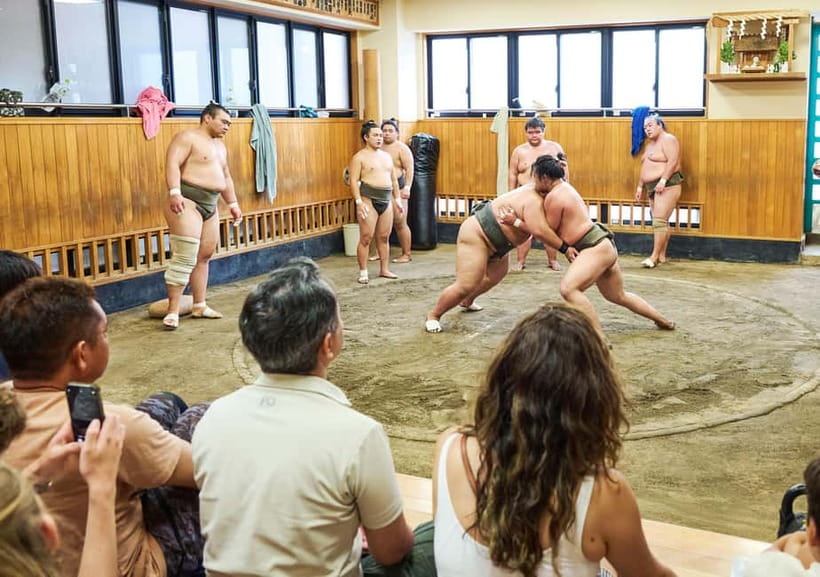
The activity is conducted in English. The guide meets you at Kiyosumi-Shirakawa Station, Exit A1, and may lead the group by train to the stable. The meeting location and final location are not always the same.
Wear modest clothing and comfortable clothes that let you sit without fuss. Keep your phone on silent, avoid eating or drinking except for water, and do not stand or move once practice is underway.
The advertised duration is two hours, but the practice may be a little shorter or longer. Tell the operator in advance if you have a fixed commitment afterward. Most important, do not arrive at the last minute. You must stay until the end, and leaving the stable means no re-entry.
Cancellation is free up to 24 hours in advance, and you can reserve now and pay later. Those options help if your Tokyo plans are still changing, but they do not remove the need to protect the morning in your schedule.
Should you book the morning stable visit?
Book it if you want to see real sumo as disciplined daily work, not a tourist performance. The close view, quiet room, powerful training, and clear explanations from guides such as Mao, Yuki, Kawa, and Tomo make this one of Tokyo’s more unusual cultural activities.
Skip it if you need flexible timing or dislike strict etiquette. For everyone else, the $98 cost is fair for access to a working stable that most people cannot enter, especially when the guide helps you understand the rituals and action in front of you.
Arrive early, dress modestly, silence your phone, and prepare to sit quietly. Do that, and the reward is a rare look at the effort behind one of Japan’s oldest sports.
FAQ
Where does the tour meet?
The meeting point is in front of Kiyosumi-Shirakawa Station at Exit A1. The station is served by the Toei Oedo Line and the Hanzomon Line.
How long does the activity last?
The scheduled duration is two hours. The practice and tour may finish slightly earlier or later than expected.
What time does the sumo practice take place?
Practice usually ends around 9:00 to 10:00 in the morning. Check the available starting times when booking.
Is the tour conducted in English?
Yes. The tour includes a live English-speaking guide.
Can I speak with the wrestlers?
You have an opportunity to speak with the wrestlers outside training hours. Photographs may also be possible, depending on the stable’s schedule and rules.
Can I leave during practice?
You must stay until the end of the practice. Once you leave the stable, you cannot re-enter.
What should I wear?
Modest clothing is required because the stable is a place of work.
Can I use my phone during the session?
Your phone must be on silent. You should not stand up or move around during practice.
Is the tour suitable for children?
The activity is not suitable for children under 11 years old.
Can I cancel the booking?
You can cancel up to 24 hours in advance for a full refund. Reserve now and pay later is also available.
Just added around the world
- Horse Ride + Swimming with Turtles in Aquarium at Nungwi Beach★ 4.5 · 8 reviews
- Xi’an Half-Day Private Tour of Terracotta Warriors and Horses Museum★ 5.0 · 2 reviews
- Desert Trail in Morocco on Horseback★ 5.0 · 2 reviews
- Zakytnhos Horse Riding Swimming Experience★ 3.5 · 3 reviews
- Half-Day Tour: Terracotta Warriors and Horses Museum★ 5.0 · 7 reviews
- Beach & countryside horse riding outside Westport. Guided. 1 hour★ 5.0 · 56 reviews
- Private tour to Sevan, Dilijan Off-road tour & Horseback riding★ 4.5 · 5 reviews
- Vienna Horse-Drawn Carriage Ride with Sparkling Wine and Food★ 5.0 · 44 reviews
Tokyo Horse Riding Tours, compared.
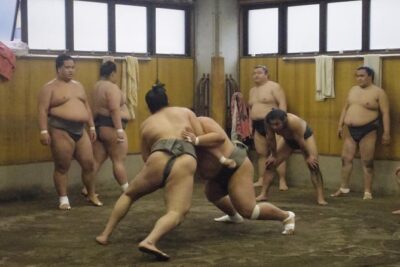
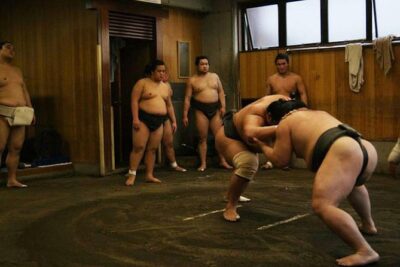
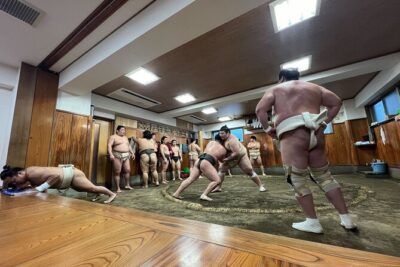
Tokyo Sumo Morning Training/ Sumo Practice with Wrestlers
Read our review →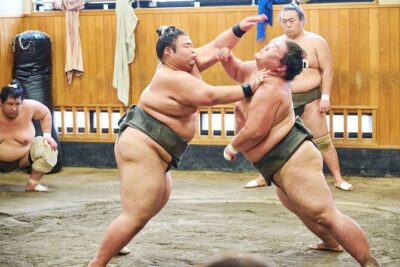
Tokyo: Sumo Morning Practice Viewing Tour at a Real Stable
Read our review →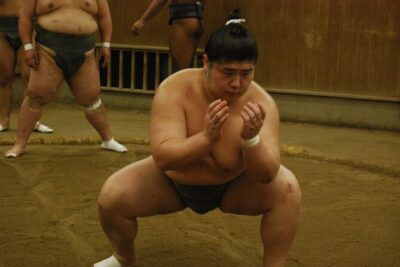
Tokyo: Sumo Morning Practice -Stable Visit Tour with a Guide
Read our review →Tokyo: Sumo Morning Practice -Stable Visit Tour with a Guide
Read our review →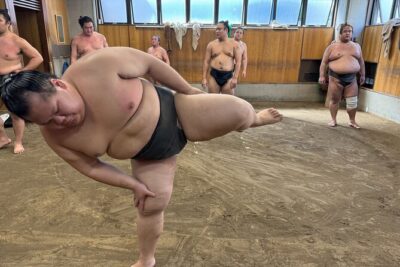
TOKYO , No1 Yokozuna Stable Morning Practice in Ryogoku
Read our review →Browse the lists this tour appears in