
Review · JAPAN HORSE RIDING TOURS
Sumo Stable Intimate Morning Practice
The best part of this four-hour morning is the view of sumo before the crowds and ceremony. You watch wrestlers train inside a working stable, close enough to notice the force, repetition, and discipline behind the sport. An English-speaking sumo guide explains what is happening through an audio headset, so you are not left guessing at every stomp and drill.
I like the small maximum group of 16, and I like the 8:00 AM start. Many stable visits begin around 6:00 AM and pack more than 30 people into the room. Here, you also have a chance to share tea, talk with wrestlers, take photos, and eat a traditional chanko lunch if you select that option.
The main drawback is the strict schedule and non-refundable booking. You must arrive at Warabi Station at least 10 minutes early, and seating is normally on floor cushions. Low chairs may be requested in advance, but supplies are limited and reserved first for people with mobility needs.
Key points at a glance
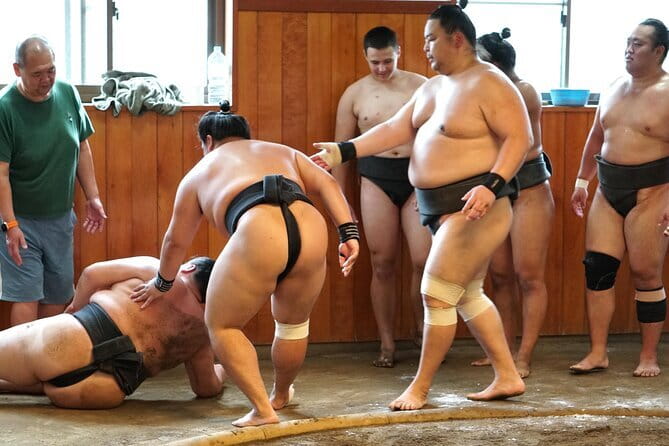
- Watch a real morning practice: See sumo wrestlers train in a working stable rather than at a staged cultural show.
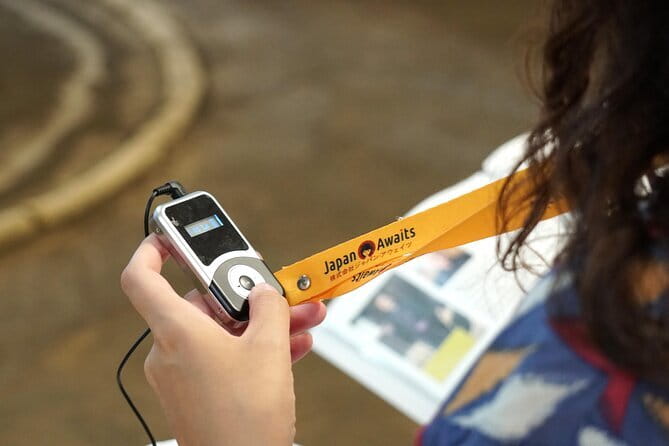
- Hear the guide inside: An audio headset lets you follow explanations about rituals, technique, and famous wrestlers during practice.
- Keep the group small: The tour accepts no more than 16 people, making the stable visit quieter and easier to follow.
- Share tea with wrestlers: After practice, you may speak with the athletes and take photographs without flash.
- Try chanko lunch: The daily menu follows the wrestlers’ diet and gives you a taste of the stable’s everyday cooking.
- Start at a reasonable hour: The 8:00 AM meeting time is gentler than tours that require a 6:00 AM arrival.
Why this sumo stable visit feels different
A professional sumo tournament is polished, public, and full of ceremony. A morning stable practice is more intimate and less predictable. You are seeing athletes at work, not watching a performance arranged for an audience.
That distinction matters. Training reveals the repeated drills, rituals, and physical effort that support the short bouts you see in competition. The atmosphere may be quiet while the wrestlers concentrate. It may also feel intense when bodies hit the floor and local supporters react. Your guide helps you understand the purpose of the movements and gives context about sumo culture, past champions, and current wrestlers.
The group size is one of the strongest reasons to choose this outing. With no more than 16 people, you have a better chance of hearing the guide and seeing the practice area without a wall of people in front of you. It also makes the later tea and photo session feel more personal than a quick group picture at the end of a large tour.
This is not a tourist attraction with a guaranteed show at a fixed time. The wrestlers are following their normal training routine, and you are entering their workplace. You should arrive ready to observe quietly and follow the stable’s customs.
More Sunrise and Morning Trips in the world:
- Cappadocia: Horseback Tour with Sunrise and Sunset Options
★ 4.9 · 1,755 reviews - Morning Horseback Ride with Breakfast from Las Vegas
★ 5.0 · 1,674 reviews - Cappadocia: Horse Riding Tour with Sunrise or Sunset Options
★ 4.8 · 1,377 reviews
Getting to the 8:00 AM meeting point
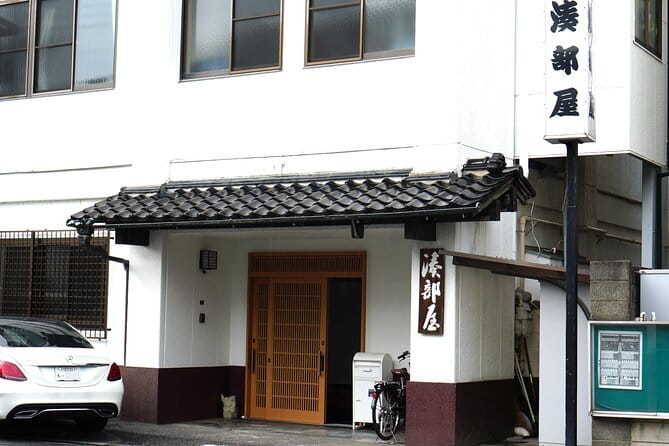
The tour begins at Warabi Station in Saitama Prefecture, at 1-chōme-23-1 Chūō, Warabi, Saitama 335-0004. There is no hotel pickup, so you need to arrange your own way to the meeting point.
The start is at 8:00 AM, but plan to arrive at least 10 minutes early. This is a group activity, and the guide may not be able to wait for late arrivals. A missed meeting means no refund, so allow extra time for finding the correct station exit and meeting location.
The location is near public transportation, which helps, but the early start still requires planning. If you are staying in central Tokyo, check your route the night before. Have the address saved on your phone, and avoid cutting the timing close.
The tour lasts about four hours and returns to the meeting point. That makes it easier to fit into a full day of sightseeing, although you should not plan an important timed attraction immediately afterward. The stable visit includes several moving parts, and the end time is approximate.
Inside the stable: watching practice up close
Once inside, you will watch wrestlers carry out their morning training. The point is not to see tournament bouts, but to understand how wrestlers prepare their bodies and sharpen their technique.
You can expect an explanation of sumo’s history and culture, along with information about well-known wrestlers from Japan’s past and present. The audio headset is useful here. Stable practice may be quiet by design, and a live speech from the guide could disturb the wrestlers’ focus. The headset lets you listen without turning the room into a lecture hall.
This arrangement also helps you keep your eyes on the practice. You can watch the action while hearing why certain movements matter. If you are new to sumo, that context makes the session far more rewarding. You will better understand that the sport is built from ritual, balance, force, timing, and stamina, not just the final push out of the ring.
Photography and video are allowed, but flash is not. Check your phone before entering. A sudden flash can distract the wrestlers and show poor manners in a serious training space.
You are also asked not to show the soles of your feet toward the ring. You may sit in the position that feels comfortable, but do not stretch your legs so the bottoms of your feet face the practice area. It is a small rule, yet following it shows respect for the stable.
Seating, silence, and stable etiquette
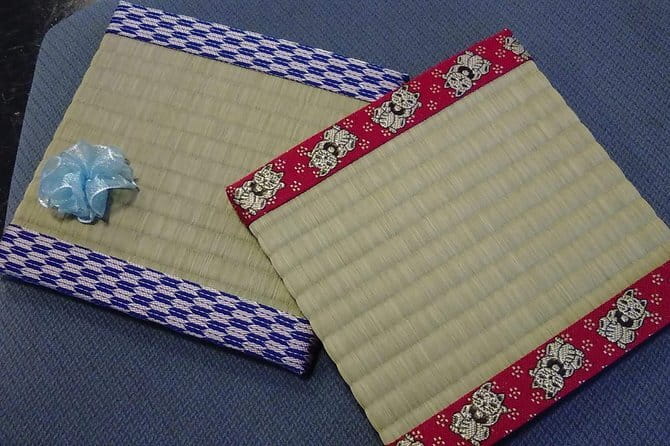
The default seating is on cushions on the floor. You do not have to sit in one rigid pose, but you should be prepared for floor seating during the practice.
Low chairs may be available if you request them in advance. They are limited, and priority goes to people with mobility issues or other needs. If floor seating could be difficult for you, ask before booking rather than assuming a chair will be waiting.
The tour is designed to be more comfortable than many stable visits, but comfortable does not mean casual. You are entering a place where wrestlers live and train. Keep your voice low, follow the guide’s instructions, and do not bring outside food or drinks into the stable. Bottled water or tea for personal use is allowed.
The no-food rule is worth noting if you are prone to early-morning hunger. Eat before you arrive or plan to wait for the included meal, if selected. The stable is not a place for snacks during practice.
Same saddle, a completely different route:
- Charleston’s Old South Carriage Historic Horse & Carriage Tour
★ 5.0 · 10,023 reviews - Jerez de la Frontera: How the Andalusian Horses Dance
★ 4.6 · 6,168 reviews - Punta Cana Zipline Adventure with Buggies and Horseback Riding
★ 5.0 · 5,001 reviews - Luquillo Beach Horse Ride from Carabalí Rainforest Adventure Park
★ 5.0 · 4,762 reviews
Tea, conversation, and photographs with wrestlers
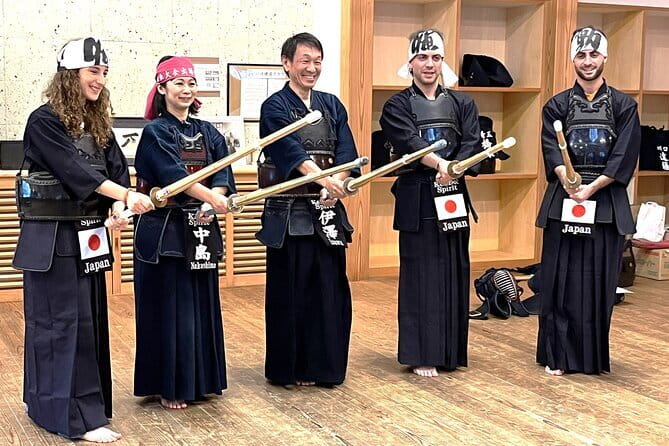
After practice, the mood shifts. You may share morning tea and speak with the sumo wrestlers. This is one of the most meaningful parts of the visit because it gives you a chance to see the athletes as people, not only as powerful figures in the ring.
The conversation will depend on the day and the wrestlers present, so you should not expect a formal interview with a set list of questions. Still, the opportunity to sit with them and ask about their life in sumo adds a human side that a tournament ticket cannot provide.
Photo opportunities are included. Be polite about when and how you take pictures, and keep the flash off. If you are traveling with children, this can be an exciting moment, but adults need to guide young visitors through the stable’s rules.
The age minimum is six. Children must be with an adult aged 18 or older, and adult pricing applies to everyone, including children. You may be asked to show identification to confirm age at the venue.
Chanko lunch and what you actually eat

The chanko lunch option gives the morning a satisfying finish. Chanko is the everyday style of meal associated with sumo stables, and the menu changes from day to day to match the wrestlers’ diet.
You should think of this as a chance to sample the food that supports the athletes’ demanding routine, not a standard restaurant meal with a fixed menu. The daily variation is part of the appeal, but it also means you cannot choose the exact dishes in advance from the information provided.
Lunch is served by sumo wrestlers, adding another personal touch to the meal. Drinks are not included, so budget for those separately. If you do not choose the lunch option, check your booking details carefully so you know what is included in your version of the tour.
For many people, the meal is more than a convenient way to end the outing. It connects the physical training you have just watched with the daily habits that help sustain a sumo athlete. You leave with a clearer picture of sumo as a way of life, not simply a sport that lasts a few minutes at a time.
The value of a $198 morning

At $198, this is not a bargain activity. You are paying for access to a limited stable visit, a local sumo expert, interpretation through an audio headset, tea with wrestlers, photo time, and, if selected, chanko lunch.
The value depends on what you want from sumo. If your goal is simply to see a bout, a tournament ticket may make more sense. If you want to understand the training culture and watch athletes at close range, this outing offers access that is difficult to arrange on your own.
The group limit strengthens the value. A group of 16 is still a group, but it is much easier to hear and see than a party of more than 30. The later start also matters. You avoid the punishing 6:00 AM schedule used by some other stable visits, while still arriving early enough to see the main practice period.
The lunch option makes the price easier to justify for people who want a full cultural program. If you are mainly interested in the practice and have a tighter budget, compare the price with and without chanko lunch before booking.
Group discounts are available, which may help families or parties booking together. Ask about the discount when arranging your reservation rather than assuming it will be applied automatically.
Who should book this experience

I would recommend this tour to first-time visitors who want a clear introduction to sumo without giving up the feeling of being in a real working stable. The guide’s explanations are especially useful if you do not already know the difference between training rituals, match technique, and stable customs.
It also suits families with children aged six or older, provided everyone can follow quiet behavior and floor-seating rules. The chance to meet wrestlers and take photos gives younger visitors a memorable focus after the practice.
People who value personal space should appreciate the 16-person limit and the seating arrangements. That said, this is not the right pick if you require a guaranteed standard chair, dislike early starts, or expect a flexible drop-in activity.
You should also choose it if you prefer cultural experiences that involve observation and conversation rather than a stage show. The visit rewards patience and respect. You are watching real training, so the atmosphere may be serious and focused rather than theatrical.
Booking advice and important limits
Book as early as you can. Three months ahead is ideal, and at least one month is recommended. The stable visit runs only on selected dates because wrestlers move between locations for tournaments and events, spending only a few months in each place.
Confirmation is normally issued at booking. If you book within seven days of the visit, confirmation may take up to 48 hours and depends on availability. The activity also requires a minimum number of participants. If that minimum is not reached and the tour is canceled, you will be offered another date or experience, or receive a full refund.
Once your request is accepted, changes cannot be made during the week before the tour. The booking is non-refundable and cannot be changed for any reason, so confirm your date, meeting point, seating needs, and lunch choice before paying.
A mobile ticket is available, which keeps check-in simple. Still, carry the booking details on your phone and make sure the battery is charged. The operator, Japan Awaits, is a licensed tour company with guides across Japan, so you can also ask about related arrangements if you need transportation or other local services.
Should you book the Sumo Stable Intimate Morning Practice?
Book it if you want to see the work behind sumo, hear clear explanations while practice is happening, and meet wrestlers over tea afterward. The small group, 8:00 AM start, photo time, and chanko lunch option make this a stronger choice than a crowded, silent stable visit.
Think twice if $198 is beyond your budget, if you need guaranteed chair seating, or if you want a flexible cancellation policy. You must reach Warabi Station early, follow stable etiquette, and accept that the athletes’ routine comes first.
For a first visit to Japan, I would choose this over a generic sumo-themed attraction. It gives you a close look at training, food, ritual, and daily life in one carefully timed morning. Just book early, arrive early, and treat the stable like the workplace it is.
FAQ
Where does the tour begin and end?
The tour begins at Warabi Station, 1-chōme-23-1 Chūō, Warabi, Saitama 335-0004, Japan. It ends back at the meeting point.
What time should I arrive?
The tour starts at 8:00 AM. You should arrive at least 10 minutes before the scheduled meeting time because the group may not be able to wait for late arrivals.
Is hotel pickup included?
No. Hotel pickup is not included. You need to make your own way to the meeting point near Warabi Station.
Is lunch included?
An authentic chanko lunch is included if you select that option. The menu changes daily, and drinks are not included.
Can I take photographs or video?
Yes. Photography and videography are permitted, but flash is not allowed. Check your phone settings before entering the stable.
Is the tour suitable for children?
Children aged six and older may join when accompanied by an adult aged 18 or older. Adult pricing applies to all ages, and identification may be requested to confirm age.
Just added around the world
- Horse Ride + Swimming with Turtles in Aquarium at Nungwi Beach★ 4.5 · 8 reviews
- Xi’an Half-Day Private Tour of Terracotta Warriors and Horses Museum★ 5.0 · 2 reviews
- Desert Trail in Morocco on Horseback★ 5.0 · 2 reviews
- Zakytnhos Horse Riding Swimming Experience★ 3.5 · 3 reviews
- Half-Day Tour: Terracotta Warriors and Horses Museum★ 5.0 · 7 reviews
- Beach & countryside horse riding outside Westport. Guided. 1 hour★ 5.0 · 56 reviews
- Private tour to Sevan, Dilijan Off-road tour & Horseback riding★ 4.5 · 5 reviews
- Vienna Horse-Drawn Carriage Ride with Sparkling Wine and Food★ 5.0 · 44 reviews
Japan Horse Riding Tours, compared.
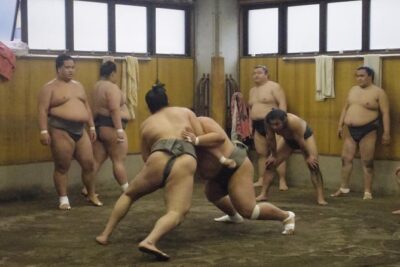
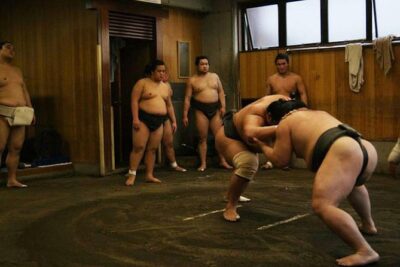
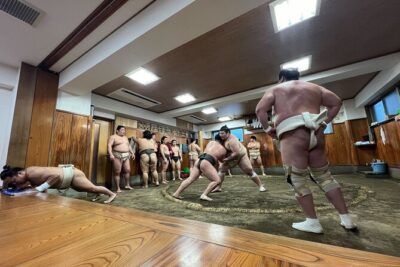
Tokyo Sumo Morning Training/ Sumo Practice with Wrestlers
Read our review →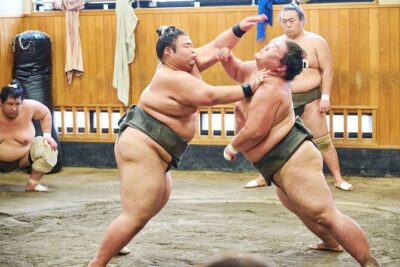
Tokyo: Sumo Morning Practice Viewing Tour at a Real Stable
Read our review →Tokyo: Sumo Morning Practice Viewing Tour at a Real Stable
Read our review →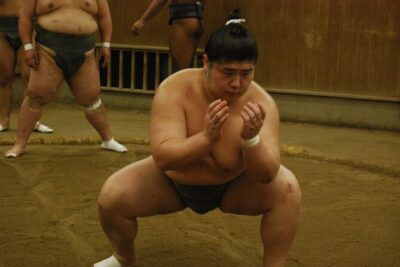
Tokyo: Sumo Morning Practice -Stable Visit Tour with a Guide
Read our review →Tokyo: Sumo Morning Practice -Stable Visit Tour with a Guide
Read our review →
Up-Close Sumo Experience at Ochi Stable: Wear Kimono in Osaka
Read our review →Browse the lists this tour appears in