
Review · TOKYO HORSE RIDING TOURS
TOKYO , No1 Yokozuna Stable Morning Practice in Ryogoku
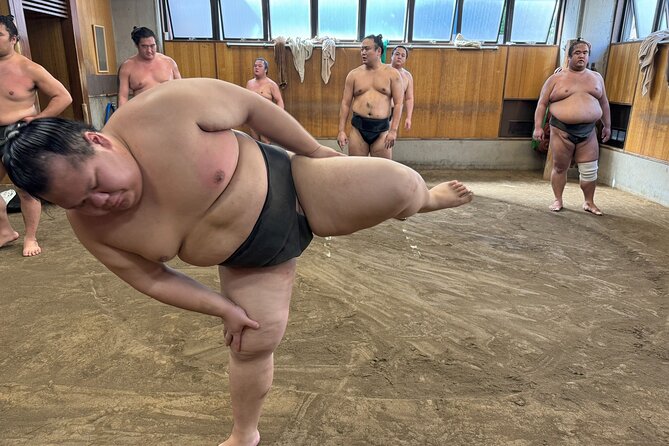
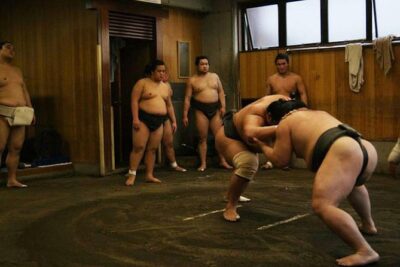
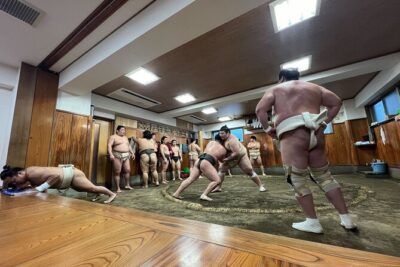
The most unusual part of this Tokyo outing happens before breakfast: you sit quietly near a working sumo stable and watch wrestlers train just a few feet away. This is not a staged show. It is a morning practice shaped by Shinto custom, discipline, and strict respect for the wrestlers.
I like the close view of training, which gives you a far better sense of sumo than a tournament seat alone. I also like the walk through Ryogoku, with Nominosukune Shrine, the stone markers for past Yokozuna, and the Kokugikan arena tying the morning together.
The main consideration is the early start and the quiet rules. You meet at 7:45 a.m., and the practice session requires stillness and attention. The museum and food stops are useful additions, but some are brief or dependent on time and opening hours.
Key points to know before booking
- Watch a real morning practice: Expect about 90 minutes at a sumo stable, with wrestlers training close to where you sit.
- Visit a stable led by a former Yokozuna: Only 72 Yokozuna have emerged in more than 1,500 years of sumo history, making this setting especially notable.
- Meet early at Ryogoku Station: The group gathers at 7:45 a.m. by the 7-Eleven outside the West Exit of JR Ryogoku Station.
- Keep the experience respectful: Practice follows Shinto traditions, so talking, movement, and photography are limited by the stable’s rules.
- See sumo landmarks on foot: Nominosukune Shrine, Kokugikan, the Sumo Museum, and Ryogoku Edo Noren add context after practice.
- Know what the $110 covers: Stable admission and a small gift are included, while transport, food, drinks, and the ¥400 Hokusai Museum ticket are extra.
Why this sumo morning feels different
Many Tokyo visitors see sumo only during one of the major tournaments. A tournament gives you the noise, ceremony, and excitement of competition. This morning visit shows a quieter side: wrestlers repeating drills, building strength, and following a routine that has changed little in spirit over many generations.
The stable is led by a former Yokozuna, the highest rank in sumo. That detail matters. You are not simply watching a casual workout at a neighborhood gym. You are entering the training world of a stable connected to one of sumo’s rarest achievements. Only 72 Yokozuna have risen in more than 1,500 years of the sport.
The practice is based on Shinto traditions, so the tone is formal. You are expected to watch quietly and show respect. A photo opportunity with a wrestler may be possible, but it is not promised. The stable decides what is appropriate on the day.
That uncertainty is part of the value. The session is not arranged as a stage performance with guaranteed cues. You are observing a working morning, and the stable’s rules come first.
More Sunrise and Morning Trips in the world:
- Cappadocia: Horseback Tour with Sunrise and Sunset Options
★ 4.9 · 1,755 reviews - Morning Horseback Ride with Breakfast from Las Vegas
★ 5.0 · 1,674 reviews - Cappadocia: Horse Riding Tour with Sunrise or Sunset Options
★ 4.8 · 1,377 reviews
Meeting at Ryogoku Station at 7:45 a.m.
Your day begins at 7:45 a.m. in front of the 7-Eleven after the West Exit of JR Ryogoku Station. The meeting point is near public transport, but you should leave extra time to find the correct exit and reach the group without rushing.
The guide gives a short introduction to sumo before leading the group to the stable. This briefing helps you understand what you are about to see, especially if sumo rules and ranks are new to you.
Punctuality matters more here than on a casual walking tour. The group cannot simply hold up practice while someone searches for the station meeting point. Set an early alarm, check the station route the night before, and arrive ready to walk.
The tour ends back at the same meeting point. The full activity takes about two and a half hours, though the practice itself accounts for roughly 90 minutes.
Watching wrestlers train from only a few feet away
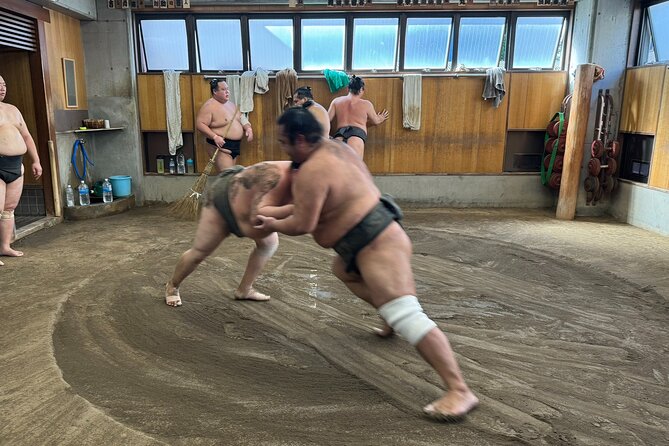
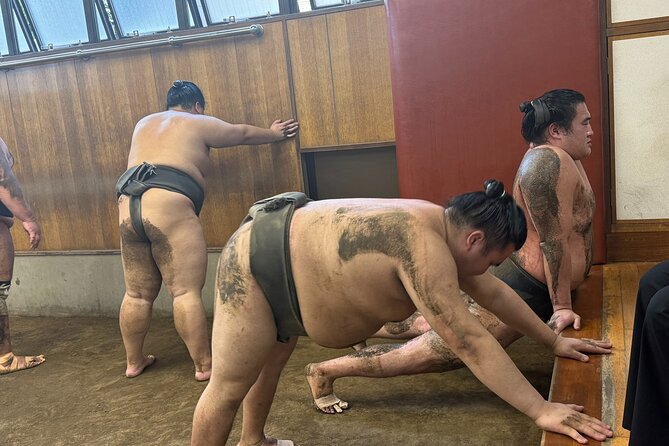
The morning practice is the heart of the outing. You watch wrestlers train at close range, rather than viewing them from the distant seats of the Kokugikan. That proximity lets you notice the physical effort, concentration, and repeated movement that can be missed during a tournament.
You may see wrestlers working through drills and exercises, but the exact routine can vary. The supplied details do not promise a particular bout, ceremony, or named wrestler. Think of this as an observation of daily training, not a guaranteed wrestling match.
The closeness is impressive, but it also creates responsibility. Keep your voice low, follow the guide’s instructions, and avoid treating the stable like a photo set. The people in front of you are working.
Photography may be allowed in some circumstances, and you might get a chance to take a photo with a wrestler. Still, you should treat that as a bonus. Do not assume that every participant can pose, or that photography will be permitted throughout the session.
This is where guide quality makes a real difference. Rothko and Ryoko are among the guides associated with this experience. Both have been praised for adding useful context and making the morning easier to understand. One useful detail is that guides may use laminated information sheets to explain what you are seeing. If you know little about sumo, that background can turn a silent practice into a meaningful cultural visit.
Ryogoku, the neighborhood built around sumo
After practice, the tour gives you a short walk through Ryogoku, the area most closely linked with Tokyo sumo. This keeps the morning from feeling like a single isolated stop.
Ryogoku is home to the Ryogoku Kokugikan, where the Grand Sumo Tournament takes place three times each year. You may walk past the arena and stop to take in its exterior and atmosphere. The tour does not promise entry into the tournament venue, so think of this as an orientation to the district rather than a stadium visit.
The Kokugikan matters because it connects the intimate stable practice with sumo’s public face. In the morning, you see training. A short time later, you stand outside the arena where the sport’s major competitions take place.
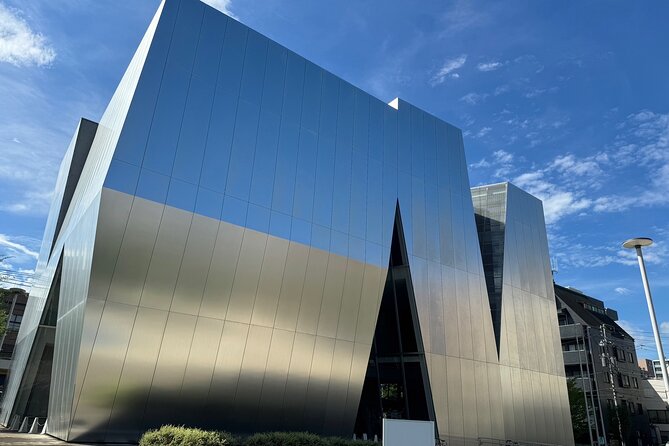
The Sumo Museum is also nearby. Admission is free, though the stop depends on time and its opening schedule. The available information notes that the museum is closed on weekends and some other days, so do not build your entire plan around entering it. If it is open and time allows, it can add another layer of context without an extra ticket cost.
Same saddle, a completely different route:
- Charleston’s Old South Carriage Historic Horse & Carriage Tour
★ 5.0 · 10,023 reviews - Jerez de la Frontera: How the Andalusian Horses Dance
★ 4.6 · 6,168 reviews - Punta Cana Zipline Adventure with Buggies and Horseback Riding
★ 5.0 · 5,001 reviews - Luquillo Beach Horse Ride from Carabalí Rainforest Adventure Park
★ 5.0 · 4,762 reviews
Nominosukune Shrine and the stones of past Yokozuna
Nominosukune Shrine is one of the most fitting stops on this walk. It is dedicated to Nominosukune, the god associated with sumo, and its grounds include stone monuments honoring past Yokozuna.
The shrine gives the sport a spiritual setting. Sumo is not only a contest between large athletes. Its rituals and symbols are tied to Shinto tradition, and the shrine helps explain why the morning practice is approached with such care.
Newly promoted Yokozuna traditionally perform their first ring-entering ceremony at this shrine. That detail makes the stop more than a quick photo break. It links modern champions with a ritual place in the neighborhood where many wrestlers train.
The visit is listed at about ten minutes, so keep your expectations realistic. You will not have time for a long shrine study or an extended religious tour. Instead, use the stop to look at the monuments, hear the guide’s explanation, and understand the local connection between place and sport.
Hokusai in Sumida, with a short museum stop
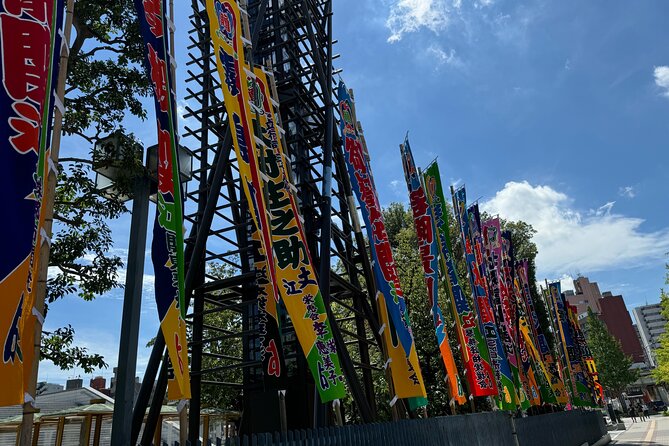
The Sumida Hokusai Museum adds a different side of local culture. Katsushika Hokusai was born in the Honjo-Wari-Gesui area, now part of Kamezawa in Sumida Ward, in 1760. He spent almost all of his roughly 90 years in Sumida.
That local connection makes the museum a sensible companion to the sumo stops. You are not being sent across Tokyo for a general art museum. You are seeing work tied to the same ward through the artist’s own life.
The planned stop is short, listed at about five minutes, and the museum admission is not included. The stated ticket price is ¥400. At that length of time, you should not expect a full museum visit or a slow look through every gallery. You might find the stop most useful as a quick introduction, especially if you already plan to return to the museum on your own.
This is one place where the tour’s schedule can feel tight. The morning practice is the main event, and the later cultural stops work more like an overview. If Hokusai is a top priority, check the museum’s schedule and consider allowing separate time after the tour.
Ryogoku Edo Noren and the food question
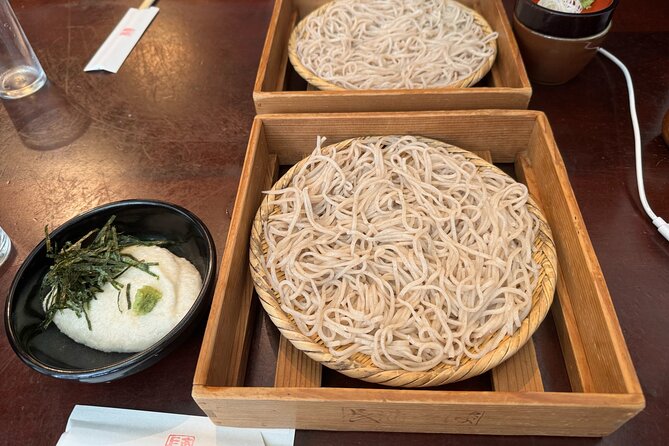
The final stop is Ryogoku Edo Noren, located in the old Ryogoku Station building. The space uses an open-ceiling design meant to recall an Edo-period setting and offers several food choices.
This is a useful place to finish because the tour does not include lunch or drinks. You can look over the food options and decide what fits your schedule and budget. The stop is listed at about ten minutes, so it is better viewed as a brief orientation than a full meal.
Food is an important part of judging the $110 price. You are paying for access to a restricted sumo setting, a small group experience, a guide, and the neighborhood walk. You are not paying for lunch, drinks, transport, or the Hokusai Museum admission.
Is the $110 price fair?
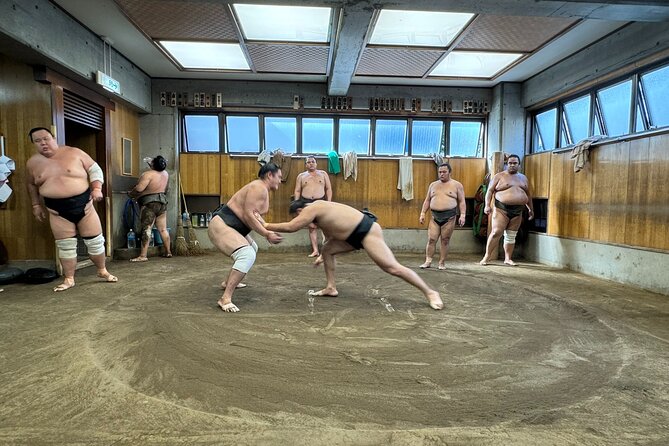
At $110 per person, this is not a cheap way to spend a Tokyo morning. The price makes more sense if the stable visit is your main reason for booking. Access to a working stable is the hard part to arrange, and the tour includes the stable admission fee plus a small gift from the stable.
The group size is capped at 14 people. That is large enough to share the cost of a guide but small enough to remain manageable during the walk. A smaller group could feel more personal, but the stated maximum is still reasonable for this kind of city outing.
You should also count the hidden practical costs. You pay your own transport, food, beverages, personal purchases, and ¥400 museum admission. Tips are not included, though they are welcome for excellent guiding.
I see the price as reasonable for someone who has already decided that authentic sumo access is a priority. It is harder to justify if you mainly want a general Ryogoku sightseeing walk, since several later stops are brief and free.
What the guides add to the morning
A strong guide matters because the practice itself is quiet. You may not receive a running explanation while the wrestlers train, and that is appropriate. The guide’s value comes before and after the session, when the movements, ranks, rituals, and local sites can be explained.
Ryoko has been praised for providing context and history along the route. Rothko has also been singled out as a warm and effective host. Those details suggest that the personality and preparation of the guide can shape the morning, although the specific guide for your date is not guaranteed.
The laminated information sheets used by guides can also help. They give you something concrete to look at when the practice rules limit conversation. If you are new to sumo, this kind of visual aid can help you follow the action without interrupting it.
Who should book this experience
I would choose this for a first-time Tokyo visitor who wants one focused morning about sumo rather than a full-day city tour. It also suits anyone who has seen a tournament but wants to understand the training culture behind the spectacle.
It is a good fit for people comfortable with an early start, quiet observation, and a schedule that moves between short cultural stops. Most people can participate, and the group maximum is 14.
Families and older visitors should consider the 7:45 a.m. meeting time and the need to follow stable rules. The information provided does not give detailed accessibility notes, so anyone needing specific assistance should confirm arrangements before booking.
I would skip it if you want a flexible morning, a guaranteed photo with a wrestler, a long museum visit, or a full meal included. The experience is built around the stable, and everything after that is supporting context.
Booking, cancellation, and useful planning notes
Confirmation is sent within 48 hours of booking, subject to availability. The experience requires a minimum number of participants, so a cancellation by the operator is possible if that minimum is not reached. In that case, you are offered another date or experience, or a full refund.
You can cancel for a full refund up to 24 hours before the start time. Changes or cancellations made less than 24 hours before the local start time are not refunded.
Book early if your Tokyo dates are fixed. This experience is booked, on average, 18 days ahead, and the stable visit has limited capacity. The August and September schedule is currently available, but you should still confirm the date you want before arranging the rest of your morning.
Should you book this Ryogoku sumo tour?
Book it if you want the rare part of sumo: a quiet look at training inside a stable led by a former Yokozuna. The closeness, the Shinto setting, and the chance of a wrestler photo give this morning something a tournament ticket cannot provide.
The later walk is worthwhile, especially for Nominosukune Shrine and the Kokugikan, but it is not the main reason to pay $110. Go for the stable practice first, the guide’s context second, and the Hokusai and food stops as useful extras.
If you can wake early, stay quiet, and accept that photography and timing depend on the stable, this is one of the more distinctive sumo experiences available in Tokyo.
FAQ
Where does the tour meet?
Meet at 7:45 a.m. in front of the 7-Eleven after exiting the West Exit of JR Ryogoku Station in Sumida City, Tokyo.
How long does the experience last?
The full activity takes about two hours and 30 minutes. The morning practice itself lasts about 90 minutes.
What is included in the price?
The price includes admission to the sumo stable and a small gift from the stable.
What costs extra?
Transportation, lunch, beverages, personal expenses, gratuities, and the Hokusai Museum admission cost extra. The listed museum admission is ¥400.
Can I take photographs with the wrestlers?
You may have a chance to take photographs with a wrestler, but this is not guaranteed. You must follow the stable’s rules and watch practice quietly and respectfully.
Will the tour visit the Ryogoku Kokugikan?
The route can pass by the Ryogoku Kokugikan, where the Grand Sumo Tournament is held three times each year. Entry into the arena is not included.
Is the Sumo Museum included?
The Sumo Museum is free, but the stop depends on available time and its opening schedule. The tour may stop there if time allows.
What happens if I need to cancel?
You can receive a full refund if you cancel at least 24 hours before the local start time. Cancellations or changes made less than 24 hours before the start are not refunded.
Just added around the world
- Horse Ride + Swimming with Turtles in Aquarium at Nungwi Beach★ 4.5 · 8 reviews
- Xi’an Half-Day Private Tour of Terracotta Warriors and Horses Museum★ 5.0 · 2 reviews
- Desert Trail in Morocco on Horseback★ 5.0 · 2 reviews
- Zakytnhos Horse Riding Swimming Experience★ 3.5 · 3 reviews
- Half-Day Tour: Terracotta Warriors and Horses Museum★ 5.0 · 7 reviews
- Beach & countryside horse riding outside Westport. Guided. 1 hour★ 5.0 · 56 reviews
- Private tour to Sevan, Dilijan Off-road tour & Horseback riding★ 4.5 · 5 reviews
- Vienna Horse-Drawn Carriage Ride with Sparkling Wine and Food★ 5.0 · 44 reviews
Tokyo Horse Riding Tours, compared.
Tokyo Sumo Morning Training/ Sumo Practice with Wrestlers
Read our review →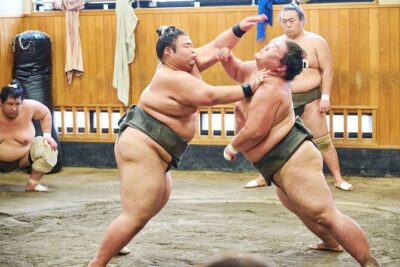
Tokyo: Sumo Morning Practice Viewing Tour at a Real Stable
Read our review →Tokyo: Sumo Morning Practice Viewing Tour at a Real Stable
Read our review →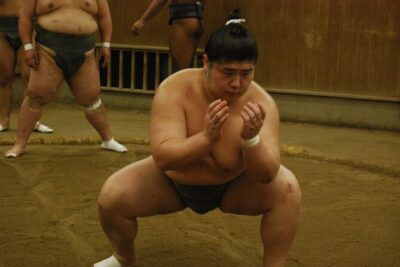
Tokyo: Sumo Morning Practice -Stable Visit Tour with a Guide
Read our review →Tokyo: Sumo Morning Practice -Stable Visit Tour with a Guide
Read our review →Browse the lists this tour appears in