
Review · TOKYO HORSE RIDING TOURS
Tokyo Sumo Morning Practice Tour at Stable
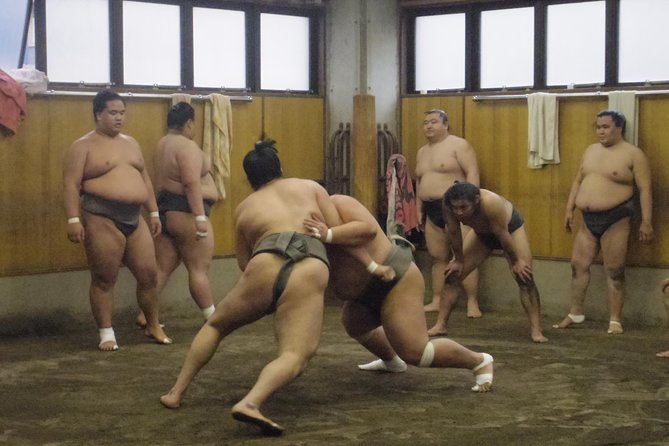
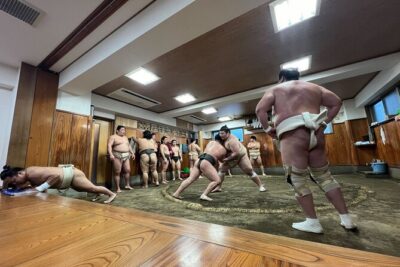
Tokyo sumo practice is not a polished stage show. You sit close to the sandy ring and watch wrestlers repeat drills, push through warmups, and clash again and again. I like the real training atmosphere and the chance to see far more action than you might during the ceremony-heavy parts of a tournament. The guide also helps you understand what you are seeing, from Shinto rituals to wrestler rankings.
The main drawback is that this is a quiet, tightly controlled visit. Seats can affect your view, the commentary may be hard to hear through the headset, and summer heat can be rough inside a stable with no air conditioning. At $83.57, the price is fair if close-up access matters to you, but less appealing if you want a fully interactive or highly polished show.
Key points to know before you book
- Watch real morning practice: You see wrestlers train at a working stable rather than perform a staged dinner-show routine.
- Meet near Ryogoku at 7:45am: The early start is part of the deal, and the exact meeting point can vary by booking option.
- Expect about 90 minutes inside: Practice length can change depending on the stable’s schedule and the day’s training.
- Learn the sport as you watch: Guides explain rankings, rituals, training methods, and the six annual Grand Tournaments.
- Prepare for strict etiquette: No video, flash, shutter sounds, food, or casual conversation during practice.
- The minimum age is 12: Children 11 and younger cannot enter the stable.
Why this feels different from a sumo tournament
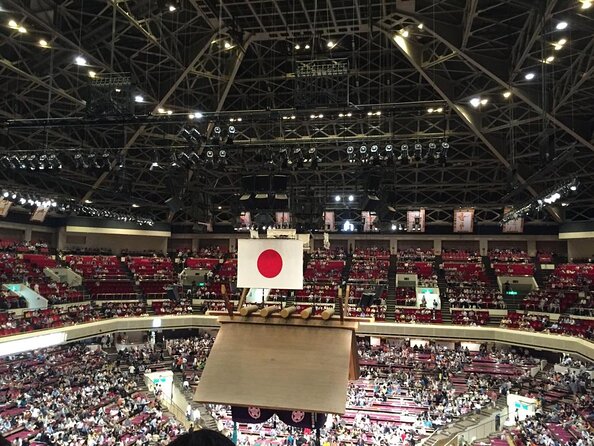
A tournament gives you the full public spectacle: formal entrances, ceremonies, rankings, and bouts spread across a long day. This morning visit gives you something else. You watch the work behind the spectacle.
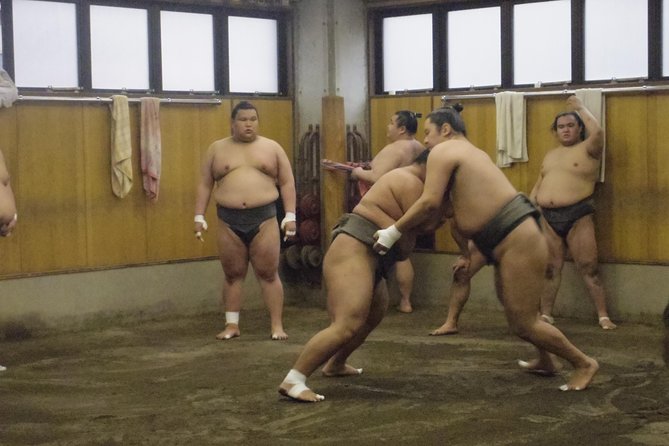
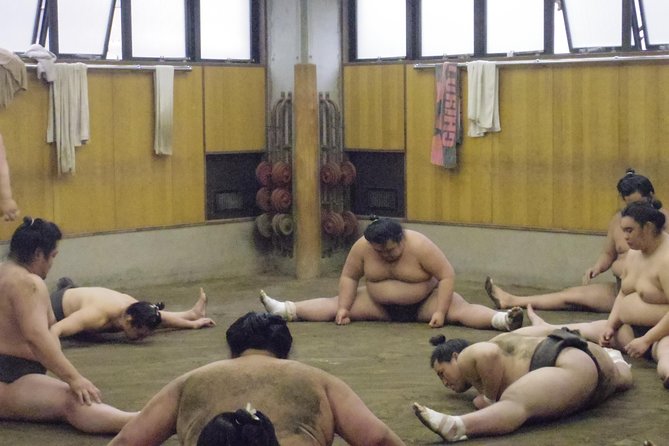
Inside the stable, the action can be surprisingly repetitive and intense. Wrestlers stretch, practice footwork, push against one another, and take part in sparring exchanges. The session is not arranged around your entertainment, which is exactly why it can feel so genuine. You are watching athletes train, not performers filling a time slot.
The close distance matters. You may see the effort in each movement, the force of a collision, and the concentration required before a bout begins. One of the strongest features of this experience is the amount of activity. During a tournament, ceremony and scheduled bouts take up much of the day. At practice, you may see many exchanges in a shorter period.
That does not mean the practice is always dramatic from start to finish. Some mornings may include more drills than full bouts. The session can also end earlier or later than expected, depending on what the wrestlers are working on. You need to accept the stable’s routine as it comes.
More Sunrise and Morning Trips in the world:
- Cappadocia: Horseback Tour with Sunrise and Sunset Options
★ 4.9 · 1,755 reviews - Morning Horseback Ride with Breakfast from Las Vegas
★ 5.0 · 1,674 reviews - Cappadocia: Horse Riding Tour with Sunrise or Sunset Options
★ 4.8 · 1,377 reviews
Starting at Ryogoku Station at 7:45am
The meeting point is listed at Ryogoku Station Gallery, with a 7:45am start. Ryogoku is the center of Tokyo’s sumo world, so the setting already puts you in the right frame of mind. After meeting the guide, the group may take a train to the stable or walk, depending on the arrangement.
Check your confirmation carefully. The meeting point can differ by booking option, and one person had trouble finding the guide at the station. That problem did not ruin the visit, but it is a good reminder to arrive early, read the instructions closely, and keep the stable’s details handy.
The first 15 minutes are used for orientation. Your guide explains how sumo connects with Shinto tradition and how the sport developed over a very long period, with origins reaching back at least 1,500 years. You also get a primer on the competition system before entering the stable.
This introduction is useful because sumo can be hard to read at first. Without context, the bowing, salt, ring rituals, rankings, and carefully observed rules may seem like a blur. The guide gives you a basic map before the physical action begins.
Entering a working sumo stable
A sumo stable, or heya, is where wrestlers train and live within the sport’s traditional structure. This visit takes you into one of the local stables used to prepare wrestlers for competitions held around Japan.
The setting is small and intimate. You are not entering a large arena with stadium seating. You may sit on low stools or on the floor, depending on the stable’s arrangement. The front area can be reserved for sponsors or other invited people, so your position may affect how clearly you see the ring.
This is one reason I would arrive at the meeting point with time to spare. Entering order can affect where you sit, and a place toward the front gives you a cleaner view of the action. Even so, the viewing area is close enough that many people find the wrestlers easy to see from most positions.
The stable is a place of work and concentration. You must remain silent and avoid distracting the wrestlers. Cellphones should be on silent, and photos are allowed only without flash or shutter sounds. Video is not allowed.
You also need to follow a few rules that might not be obvious. Do not step onto the ring or sandy area. The ring is sacred to the wrestlers. Do not stretch your legs toward it, since showing the soles of your feet is considered impolite. Hats and sunglasses must be removed inside.
These rules are not pointless restrictions. They help preserve the stable as a training space rather than turning it into a photo set. The best approach is to watch quietly and let the guide handle the explanations.
Ninety minutes of drills, sparring, and intense repetition
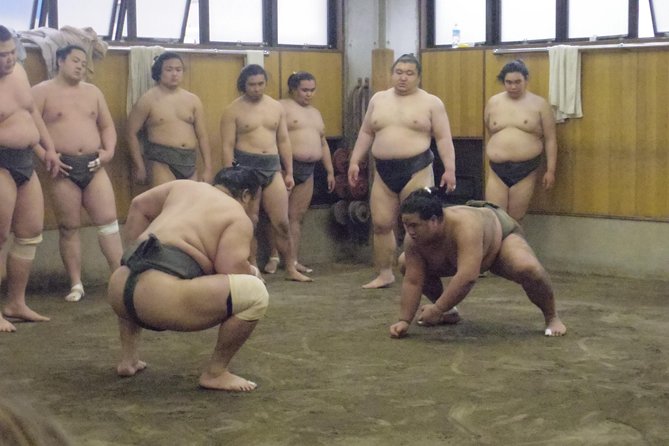
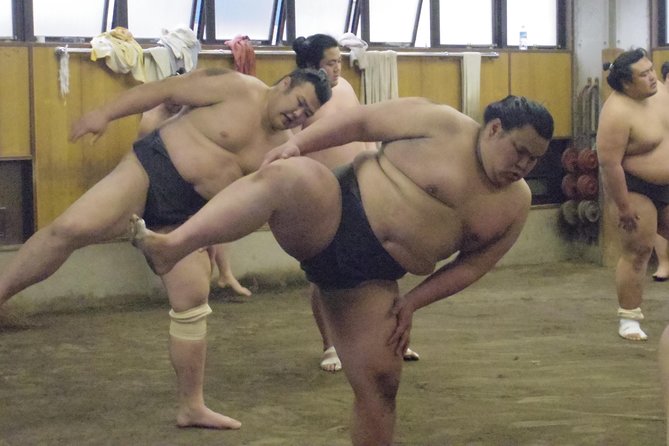
The practice portion lasts about 90 minutes, though the schedule can shift. You might first see basic exercises and stretching, followed by more forceful pushing drills and sparring. The most seasoned wrestlers may take part in intense exchanges, while younger wrestlers work through their own exercises.
The physical contrast is striking. Sumo wrestlers are large, but the sport is not simply about size. You will see balance, timing, footwork, grip, and explosive force. A bout can be brief, yet the training that supports it is relentless.
I like the fact that the guide’s commentary gives structure to what you see. The guide may point out a movement, explain a wrestler’s rank, or describe how a drill relates to tournament competition. Guides named Seiji, Yumi, Cameo, Noriko, and Nobu have received particularly warm praise for their explanations and enthusiasm, though your guide will depend on the date and assignment.
The audio system has been a weak point for some visitors. Static or low volume can make it difficult to watch the practice and listen at the same time. If the commentary is clear, it adds a lot. If not, you may find yourself choosing the wrestlers over the headset.
I would prefer short comments focused on a particular move or ritual rather than a constant stream of history. Still, the explanations are valuable for first-time viewers, especially if you know little about sumo. Some sessions may also include handouts or time for questions, but you should not count on a formal question period every time.
Do not expect to move around once practice starts. Leaving midway is strongly discouraged, and once you leave the stable, you cannot re-enter. Use the restroom before meeting the guide and settle in for the full session.
Same saddle, a completely different route:
- Charleston’s Old South Carriage Historic Horse & Carriage Tour
★ 5.0 · 10,023 reviews - Jerez de la Frontera: How the Andalusian Horses Dance
★ 4.6 · 6,168 reviews - Punta Cana Zipline Adventure with Buggies and Horseback Riding
★ 5.0 · 5,001 reviews - Luquillo Beach Horse Ride from Carabalí Rainforest Adventure Park
★ 5.0 · 4,762 reviews
Understanding the six Grand Tournaments
The introductory talk covers Japan’s six annual Grand Tournaments, each lasting 15 days. Three take place in Tokyo, while Osaka, Nagoya, and Fukuoka each host one.
This information helps explain why stable practice matters. Wrestlers are not training for one isolated event. They follow a demanding cycle of preparation, competition, ranking changes, and recovery. Your guide may also explain how rankings work and how a wrestler’s results affect his place in the sumo system.
You do not need to know the rules before arriving. The experience is designed for beginners, and the guide can make the basic structure easier to follow. Still, the practice itself is not a formal rules lesson. If you want a detailed explanation of every winning technique or ranking category, this may leave you with questions.
That is not necessarily a flaw. A short visit can give you a strong sense of the sport’s discipline without pretending to cover everything. Think of it as a close look at the training culture, with enough information to make a future tournament more meaningful.
The photo opportunity at the end
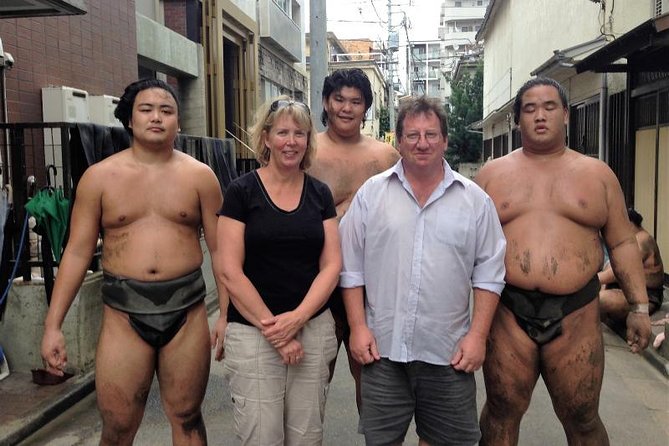
Photos are not allowed during practice if they disturb the wrestlers, and video is prohibited. At the end, there may be a brief chance to take photos with wrestlers. Some sessions have included a picture with one or two wrestlers for each group.
Treat this as a possible extra, not a guaranteed centerpiece. The photo period can be short, and you may be asked to leave soon afterward. You cannot request photos while practice is still underway.
The rules around photos are strict because privacy and image rights matter. Unauthorized use of photographs is prohibited. Follow the guide’s instructions, avoid flash and shutter sounds, and do not treat the wrestlers like props.
Heat, seating, and other practical concerns
Tokyo can be very hot in summer, and the stable has no air conditioning. Bring water and consider an ice pack or cold towel. During summer, water and sports drinks are allowed inside because of the heat, but food and other drinks are not normally permitted.
The seating can also be less comfortable than a standard attraction. Some people have sat on stools, while the general instructions refer to sitting on the ground. If you have difficulty sitting low or staying still, ask about the arrangement before booking. The experience requires patience and respectful stillness.
The group can include up to 20 people. That is small enough for a personal feel, but it is not a private visit. The group’s size and your seat may affect how easily you hear the guide or see every exchange.
The minimum age is 12. Children 11 and younger cannot enter the stable. Most people can participate, but the operator asks anyone who is unwell to stay home. The practice is indoors, but the heat and close quarters can still be tiring.
Is $83.57 good value?
At $83.57 per person, this is not a cheap two-hour sightseeing stop. You are paying for access to a working sumo stable, a guide, transport assistance to the location, and a close view of a sport that is not easy to see outside an official tournament.
I think the price makes sense for someone who values access and cultural context. A regular tournament ticket may offer more hours of entertainment, but it does not necessarily give you this same view of daily training. You may see many more wrestling exchanges here, with less ceremony between them.
The value is weaker if you mainly want a polished performance, a long photo session, or a guaranteed question-and-answer period. The stable sets the rules, not the tour group. Practice may be shorter than expected, the headset may disappoint, and your seat may not be ideal.
The 96 percent recommendation rate and 4.8 rating from 298 ratings suggest that the experience usually delivers for its intended audience. I would still book it for the access, not for luxury. The strength of the morning is its authenticity and proximity.
Who should book this morning?
This is a strong choice for first-time visitors to Tokyo who want a cultural experience with real daily life behind it. It also suits anyone planning to attend a tournament later, since the guide’s explanation of rankings and rituals will help you follow what happens in the arena.
You will likely enjoy it if you:
- Like watching skilled people practice rather than seeing a staged show
- Want a close view of sumo wrestlers
- Are willing to stay quiet and follow strict stable etiquette
- Can handle an early morning start
- Are comfortable with simple seating and possible summer heat
You may want another activity if you need air conditioning, constant movement, or an interactive tour with open questions throughout. It is also a poor fit if you want to take video or leave whenever you like.
My verdict: book it for access, not comfort
I would book this tour if seeing real sumo practice is high on your Tokyo list. The chance to watch wrestlers train close by, with repeated bouts and a guide explaining the customs, gives you a side of sumo that a standard tournament does not provide.
Arrive early, check the meeting instructions, use the restroom, and bring water in summer. Sit quietly, keep your phone silent, and accept that the practice may not follow a neat tourist schedule. If you can do that, the $83.57 price buys a rare look at the work behind one of Japan’s most traditional sports.
FAQ
Where does the tour begin?
The listed meeting point is Ryogoku Station Gallery, where you meet the guide at 7:45am. The exact meeting location may differ by booking option, so check your confirmation email.
How long does the experience last?
The experience lasts about two hours. The station orientation takes about 15 minutes, and the stable practice is scheduled for about 90 minutes. The timing can vary depending on the content of the practice.
How old must children be to join?
The minimum age is 12. Children 11 and younger cannot enter the sumo stable.
Can I take photos during practice?
Photos are allowed only without flash or shutter sounds. Video is not allowed. You must also respect privacy and image rights.
Can I take a photo with a sumo wrestler?
A short photo opportunity may be available after practice. You cannot ask wrestlers to take photos with you while training is still in progress.
Is food or drink allowed inside the stable?
Eating and drinking are not allowed in general. During the hot summer months, water and sports drinks are allowed inside because there is no air conditioning.
Can I wear a hat or sunglasses inside?
No. Sunglasses and hats must be removed inside the stable.
Can I leave during the practice?
You should do your best to stay until practice ends. Once you leave the stable, you cannot re-enter.
What is the cancellation policy?
You can cancel for a full refund if you do so at least 24 hours before the local start time. Cancellations or changes made less than 24 hours before the start are not accepted for a refund.
Just added around the world
- Horse Ride + Swimming with Turtles in Aquarium at Nungwi Beach★ 4.5 · 8 reviews
- Zakytnhos Horse Riding Swimming Experience★ 3.5 · 3 reviews
- Xi’an Half-Day Private Tour of Terracotta Warriors and Horses Museum★ 5.0 · 2 reviews
- Desert Trail in Morocco on Horseback★ 5.0 · 2 reviews
- Half-Day Tour: Terracotta Warriors and Horses Museum★ 5.0 · 7 reviews
- Beach & countryside horse riding outside Westport. Guided. 1 hour★ 5.0 · 56 reviews
- Private tour to Sevan, Dilijan Off-road tour & Horseback riding★ 4.5 · 5 reviews
- Vienna Horse-Drawn Carriage Ride with Sparkling Wine and Food★ 5.0 · 44 reviews
Tokyo Horse Riding Tours, compared.
Tokyo Sumo Morning Training/ Sumo Practice with Wrestlers
Read our review →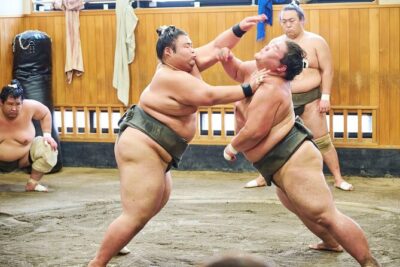
Tokyo: Sumo Morning Practice Viewing Tour at a Real Stable
Read our review →Tokyo: Sumo Morning Practice Viewing Tour at a Real Stable
Read our review →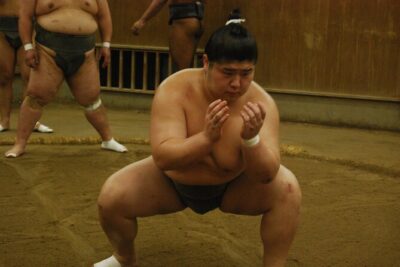
Tokyo: Sumo Morning Practice -Stable Visit Tour with a Guide
Read our review →Tokyo: Sumo Morning Practice -Stable Visit Tour with a Guide
Read our review →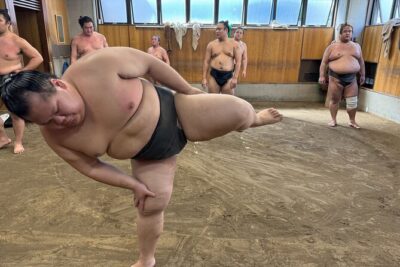
TOKYO , No1 Yokozuna Stable Morning Practice in Ryogoku
Read our review →Browse the lists this tour appears in